



The Heart of the Matter: A National Health Concern
India is facing a significant health crisis linked to high sodium consumption. The average Indian consumes 8 to 11 grams of salt per day, which is nearly double the World Health Organization's recommended limit of 5 grams. This excess intake is a major
driver of hypertension, or high blood pressure, a condition affecting an estimated 220 million people in the country. High blood pressure is a silent killer, significantly increasing the risk of cardiovascular diseases like heart attacks and strokes, which are among the leading causes of death in India. In response, leading medical and public health experts have put forward a consensus recommending a nationwide push towards using potassium-enriched low-sodium salt substitutes (LSSS).
What Exactly is Low-Sodium Salt?
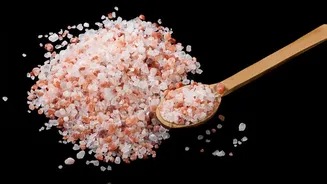
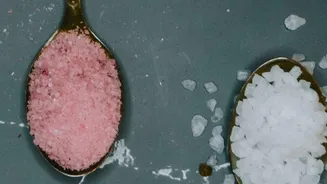
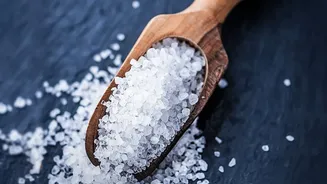
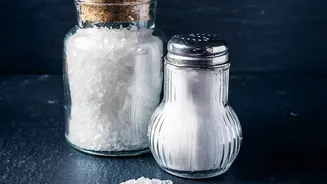
Low-sodium salt isn't a complex chemical formula; it's a simple blend. It typically consists of about 70-75% sodium chloride (regular salt) and 25-30% potassium chloride. The result is a product that looks, tastes, and can be used in cooking just like conventional salt. The key difference is that it delivers less sodium while also increasing the intake of potassium. This is crucial because potassium has a beneficial effect on blood pressure, helping to counteract the harmful effects of sodium. Given that nearly 80% of the salt consumed in India is added during cooking at home, this simple switch at the household level could have a massive public health impact.
The 'Dietary Vaccine': Potential Benefits
Experts have referred to low-sodium salt as a 'dietary vaccine' for its potential to offer passive, 24/7 cardiovascular protection without asking people to sacrifice the taste of their food. Extensive research supports its benefits. A large-scale trial showed that using potassium-enriched salt led to significant reductions in strokes (by 14%), major cardiovascular events (13%), and overall mortality (12%). Modelling studies for India estimate that a nationwide adoption of LSSS could prevent between 8% and 14% of annual cardiovascular deaths. This translates to potentially saving hundreds of thousands of lives each year through a minor change in the kitchen.
Are There Any Risks or Concerns?
While low-sodium salt is considered safe for the general population, there are important considerations. The increased potassium can be a concern for individuals with advanced chronic kidney disease (CKD), as their bodies may struggle to excrete it properly. People taking certain medications like potassium-sparing diuretics should also be cautious. Experts recommend that individuals with severe kidney issues or those with conditions that cause high potassium levels in the blood (hyperkalemia) should consult a doctor before making the switch. Another point of consideration is iodine. In India, table salt is typically fortified with iodine to prevent deficiency disorders. It is important for consumers to ensure that any low-sodium salt they choose is also iodized.
From Proposal to Your Plate: What It Means for You
The expert recommendation is the first step towards potentially making low-sodium salt a mainstream, affordable, and accessible option across India. Currently, availability can be limited, and it is often priced higher than regular salt. However, the push is on to integrate LSSS into national health guidelines and get it officially recognised by food safety authorities. For now, consumers can be proactive. Start by reading food labels to become aware of 'hidden' sodium in processed foods like chips, sauces, and pickles. You can also begin to gradually reduce the amount of salt used in cooking, using herbs and spices to build flavour instead. Avoiding the practice of sprinkling extra salt on salads or finished dishes is another simple, effective step.