




The Post-Lunch Glucose Spike
When you eat, especially meals rich in carbohydrates, your body breaks them down into glucose, which enters your bloodstream. This causes your blood sugar levels to rise. In response, your pancreas releases insulin to help your cells absorb this glucose for
energy. However, a large, carb-heavy meal can cause a sharp, rapid spike in blood sugar. This is often followed by a subsequent crash, which is what leads to that familiar feeling of fatigue, brain fog, and a sudden craving for a nap or more sugar. While this process is normal, frequent and dramatic spikes can be taxing on your body over time.
How a Gentle Walk Works its Magic
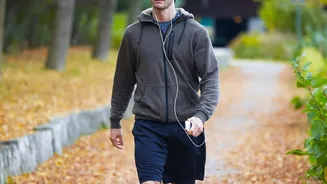
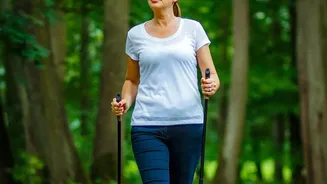
This is where the post-meal walk comes in. When you engage in light physical activity like walking, your muscles need energy. To get it, they pull glucose directly from your bloodstream. By taking a walk shortly after eating, you give your body an immediate way to use up the glucose from your lunch, preventing it from lingering in your blood and causing a major spike. This simple action helps flatten the glucose curve, leading to more stable energy levels. It also improves your body's sensitivity to insulin, meaning the insulin your body produces can work more efficiently.
Timing and Intensity Are Key
Studies have shown that the timing of your walk is crucial. A short walk taken immediately after a meal can be more effective at managing blood sugar than a longer walk taken at another time of day. You don't need a strenuous workout; a gentle to moderate pace is all it takes. In fact, research suggests that even a walk as short as two to five minutes can make a noticeable difference in your blood glucose levels. A ten-minute walk is an achievable and highly effective goal. The key is to start moving within about 60 to 90 minutes after you finish your meal, when blood sugar levels typically peak.
Benefits Beyond Blood Sugar
While the impact on glucose is a major advantage, the benefits don't stop there. A post-lunch walk can also significantly aid digestion by stimulating your stomach and intestines, helping food move through your system more rapidly and reducing feelings of bloating and gas. This simple habit also contributes to better heart health by supporting healthy circulation and helping to manage blood pressure over time. Furthermore, building this routine into your day adds to your overall physical activity, which can support weight management and improve your mood, helping you return to your afternoon tasks feeling refreshed and focused.
Making the Habit Stick in Your Life
Incorporating a ten-minute walk into a busy day is more manageable than you might think. If you work in an office, instead of scrolling through your phone at your desk after lunch, take a brisk walk around the building or a nearby block. For those working from home, a quick stroll around your neighbourhood or even pacing in a larger room while listening to a podcast can work wonders. If you are a homemaker, a walk to a nearby shop or simply around your residential complex is a great option. The goal is not to break a sweat, but simply to get your body moving. Pair it with your daily lunch, and soon it will become an automatic and beneficial part of your routine.