
The Backlash Against Mass-Produced Sameness
For years, decorating a first home often meant a trip to a big-box store for factory-made, plastic-heavy items. They were cheap, accessible, and trend-driven. But for a growing number of young urbanites, this approach has lost its lustre. Mass-produced
decor, often made from non-biodegradable materials, feels impersonal and disposable. It lacks a story. This dissatisfaction is particularly strong among Gen Z, a generation defined by its desire for authenticity, sustainability, and self-expression. They are questioning the environmental cost of plastic and rejecting the cookie-cutter aesthetic it promotes. The result is a conscious pivot away from items that are designed to be replaced and towards things that are meant to last.
A Search for Authenticity and Connection
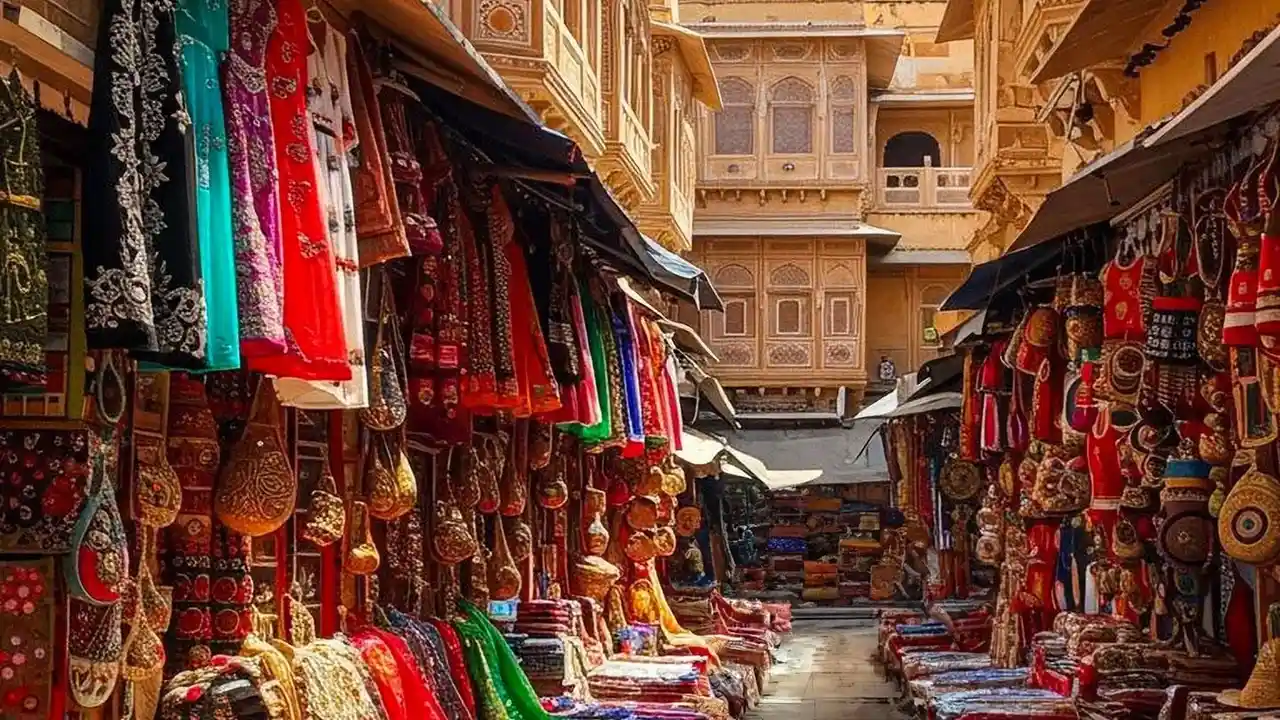
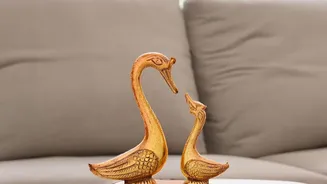
So, what is replacing the plastic? The answer lies in India's own rich heritage of craftsmanship. From terracotta planters to hand-block printed textiles, traditional handicrafts are finding a new and enthusiastic audience. For Gen Z, these items are more than just decoration; they are a statement of identity and values. Each handmade piece tells a story—of the artisan who made it, the region it came from, and the centuries-old techniques used in its creation. This narrative richness provides a powerful antidote to the anonymity of factory production. In a world saturated with digital content, the tangible, imperfect beauty of a handcrafted object offers a grounding sense of reality. Furthermore, choosing handicrafts aligns with a strong sense of environmental responsibility, as they are typically made from natural, eco-friendly materials like wood, clay, and metal.
Traditional Crafts in Modern Spaces
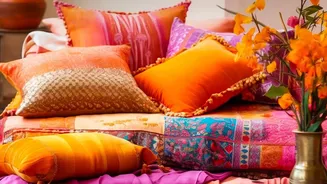
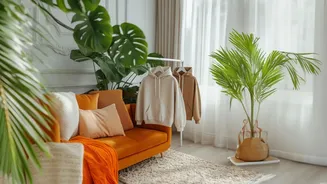
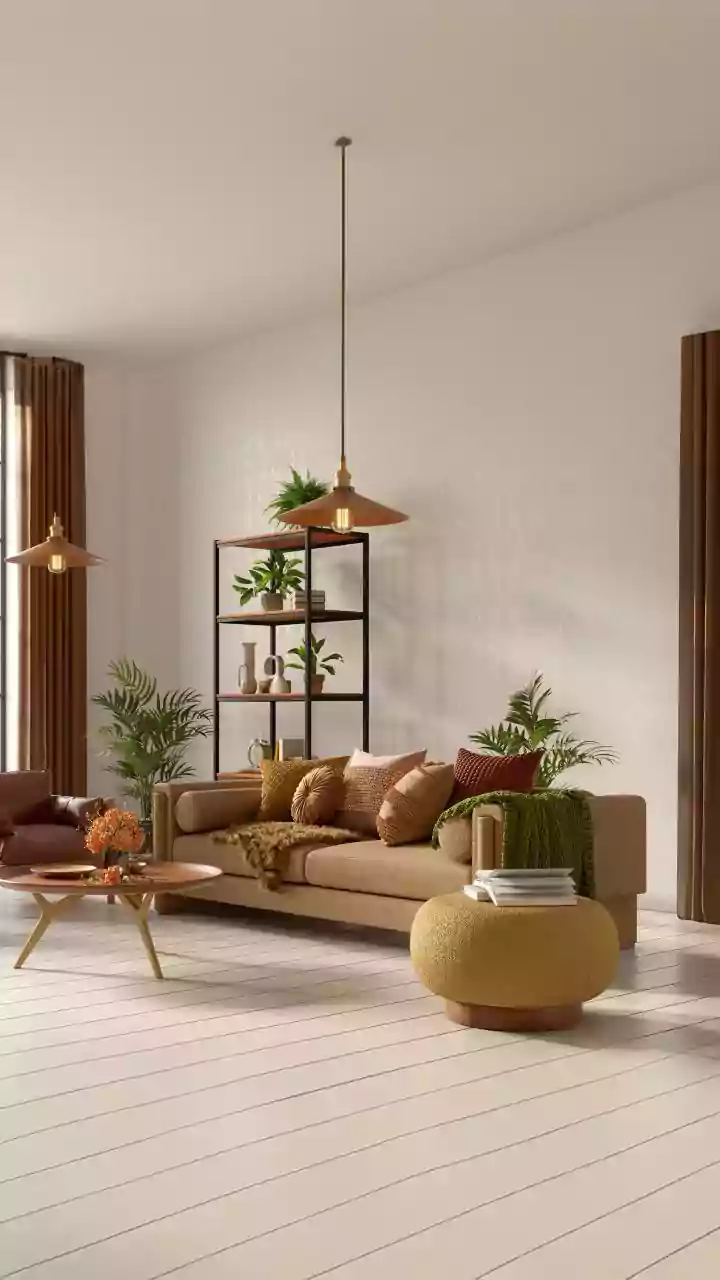
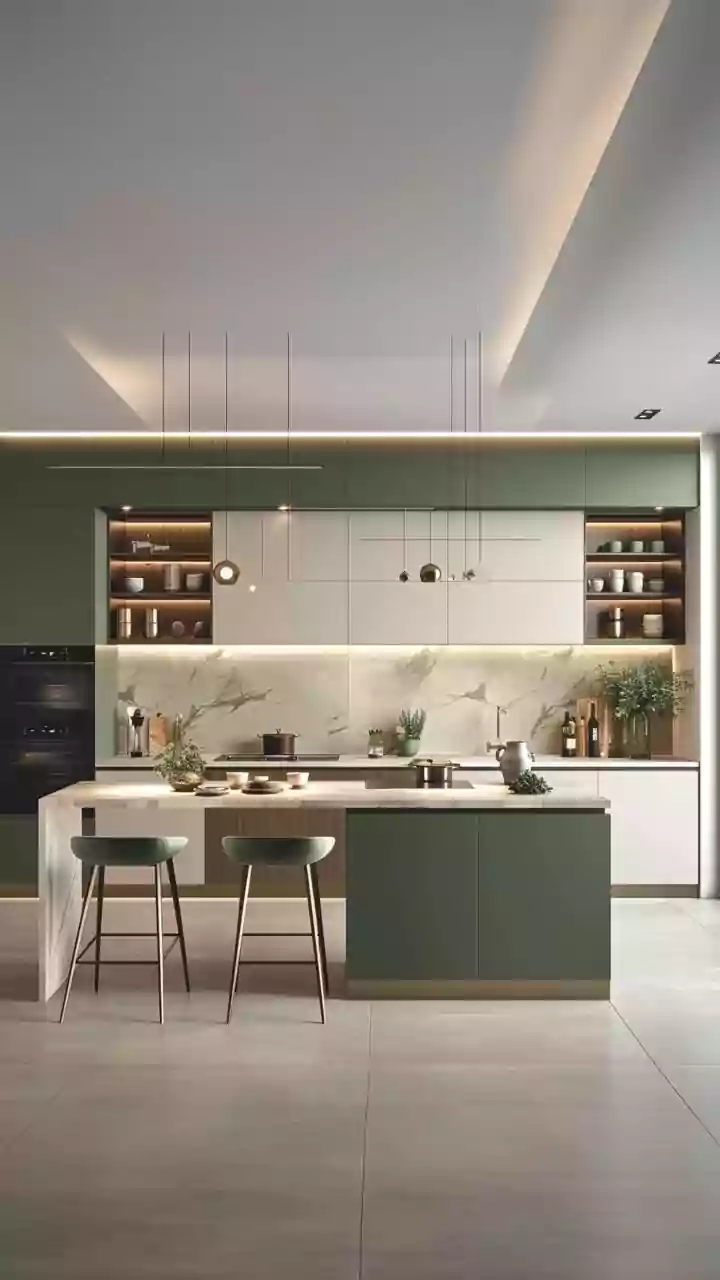
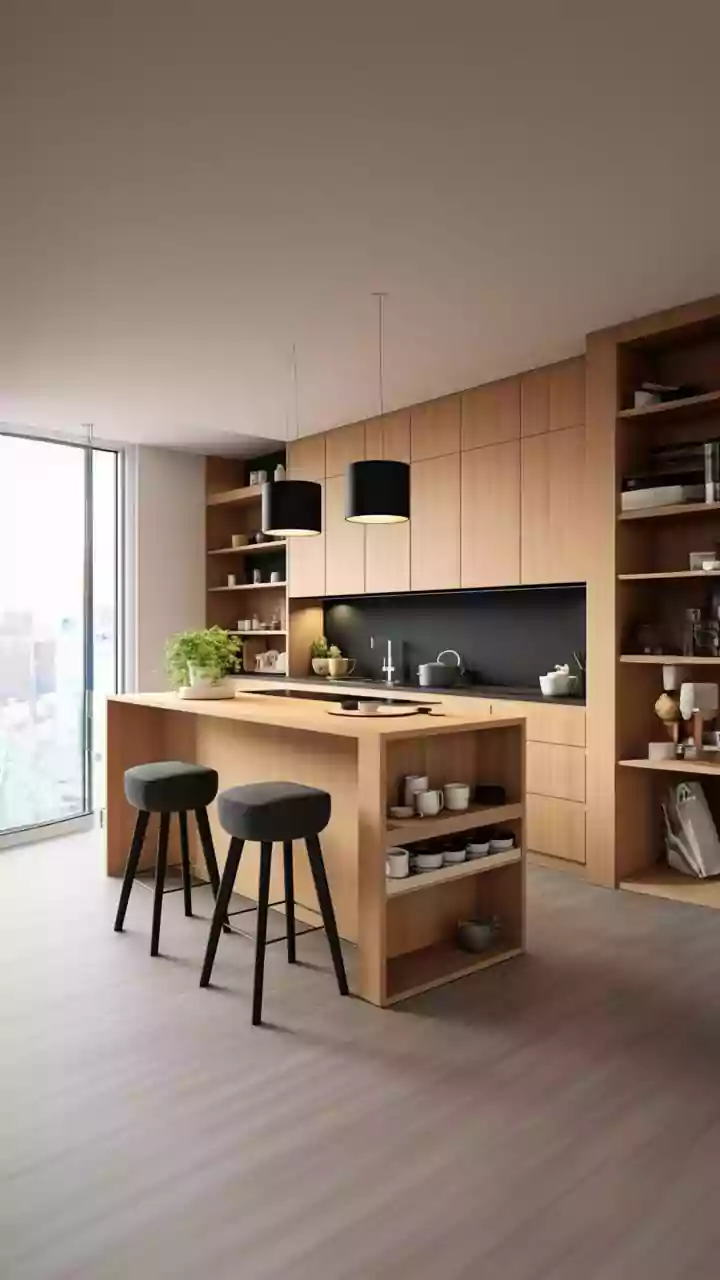
The key to this trend's success is its modern interpretation. This isn't about creating museum-like traditional interiors. Instead, Gen Z is skilfully blending handcrafted pieces into contemporary, often minimalist, apartment settings. A sleek, modern sofa might be accented with vibrant, hand-embroidered cushions from Kutch. A minimalist kitchen shelf could feature the rustic charm of Dhokra metalwork from Bastar or colourful glazed pottery from Khurja. Cane and bamboo furniture and lampshades from the Northeast add natural texture and warmth, diffusing light to create a calm atmosphere. Textiles are playing a huge role, with hand-block printed fabrics from Rajasthan being used for everything from curtains and bedspreads to unique wall tapestries. These items are not chosen to make a home look 'ethnic,' but to make it look personal, curated, and soulful.
More Than a Trend, It's a Movement
This shift is driven by a powerful combination of factors. Social media platforms like Instagram and Pinterest have made it easier than ever to discover regional crafts and see how they can be styled in modern homes. Simultaneously, there is a growing desire to support local economies and preserve cultural heritage. By purchasing from artisans, consumers are making an ethical choice that empowers communities and keeps ancient skills alive. This conscious consumerism is a hallmark of Gen Z, a demographic that is willing to invest in products that reflect their values. They are interested in the origin of their products and the story behind them, a curiosity that fast fashion and mass production cannot satisfy. The move towards handicrafts is, therefore, not just an aesthetic choice but a vote for a more sustainable, equitable, and culturally connected world.