





Not long ago, Indian primetime was a communal affair, with families gathered around a single TV screen. Today, entertainment is personal, consumed on individual screens. This journey from TV soaps to web originals is more than a tech shift; it's a cultural
revolution.
The Golden Age and The TV Soap Opera
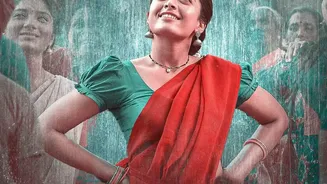
The story begins with the monopoly of Doordarshan, which gave way to the satellite television boom in the 1990s. This explosion of channels created fierce competition for viewer attention. The year 2000 marked a pivotal moment with the launch of 'Kyunki Saas Bhi Kabhi Bahu Thi'. This show didn't just top the ratings; it created a template. The 'saas-bahu' or mother-in-law/daughter-in-law saga was born, a formula that would dominate Indian television for over a decade. These daily soaps were characterized by their focus on joint family dynamics, dramatic plot twists, lavish traditional attire, and often regressive portrayals of women who were either idolized 'sanskari bahus' or scheming vamps. The goal was to produce hours of content each month, often leading to stretched-out plots involving memory loss, plastic surgery, and generation leaps to keep the drama going for years.
Cracks in the Formula
By the late 2000s, audience fatigue began to set in. The repetitive nature of these family dramas started to wane in appeal, especially among younger viewers. New channels and shows began experimenting with different formats, like the story of child marriage in 'Balika Vadhu', which became a massive success and signaled a shift in viewer appetite. Simultaneously, another revolution was quietly taking place: the rise of the internet and affordable smartphones. This change in hardware laid the groundwork for a monumental shift from the 'consume-what-you-are-fed' model of cable TV to a new on-demand era where the viewer was in control.
The Arrival of the Streaming Giants
Though early OTT (Over-the-Top) platforms existed in India since the late 2000s, the market truly ignited with the entry of global players like Netflix and Amazon Prime Video around 2016. Coupled with the rollout of affordable high-speed 4G data, this created the perfect storm. These platforms offered something television couldn't: choice and convenience. Viewers could watch what they wanted, when they wanted, without ad breaks and on any device. This fostered a 'binge-watching' culture', fundamentally changing consumption habits. Suddenly, Indian audiences had access to a vast library of global and regional content, breaking down geographical and linguistic barriers.
The Dawn of the Indian Web Original
Streaming platforms didn't just distribute content; they began creating it. The release of Netflix's 'Sacred Games' in 2018 is widely considered a watershed moment. It was gritty, complex, and featured mainstream Bollywood actors in a format free from the censorship that governed television and cinema. This opened the floodgates. Shows like 'Mirzapur', 'Paatal Lok', and 'Delhi Crime' delved into the dark underbelly of Indian society, exploring crime, politics, and social issues with a realism that was impossible on traditional TV. These web originals, or 'web series', offered compact, season-based storytelling with high production values, attracting talent that was previously focused on film. They were character-driven, morally ambiguous, and reflected a modern India.
A Tale of Two Screens
The contrast between the two worlds is stark. TV soaps are designed for perpetual storytelling, often sacrificing narrative coherence for longevity. They cater to a broad, family-oriented audience and are funded by advertisers, making them risk-averse. Web series, on the other hand, are built on a subscription model, allowing for creative freedom to tackle niche, bold, and often controversial subjects. This has led to a democratization of content, providing a platform for independent filmmakers and new voices to tell stories that would never get made in the traditional system. While TV serials often focus on idealized family units, web series delve into individualistic, realistic, and often darker themes that resonate with a younger, urban demographic.