





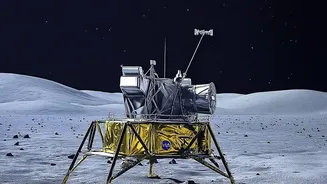
A New Space Race Begins
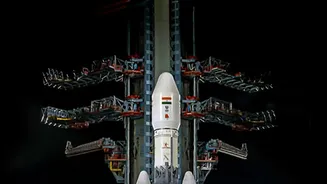
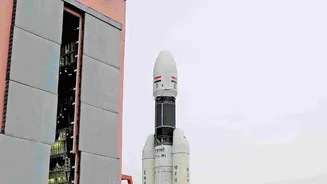
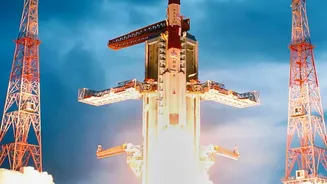
The roar of ISRO's rockets has inspired a different kind of launch—that of a vibrant private space industry in India. While the world celebrated the historic landing of the Pragyan rover near the Moon's south pole, a wave of Indian entrepreneurs was already
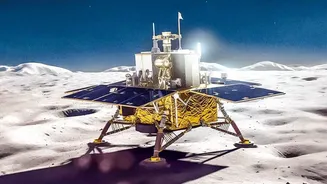
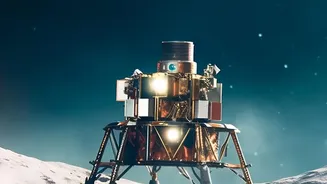
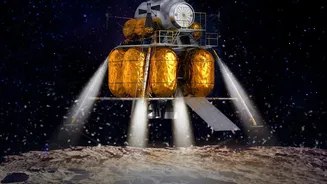
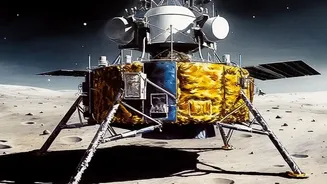
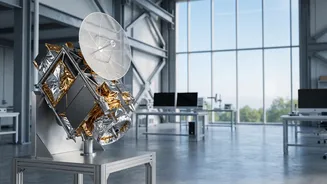
sketching out the next chapter. These startups are not just dreaming of space; they are building the hardware to explore it. Companies like OrbitBeyond are establishing significant manufacturing and design centers in India, aiming to build lunar landers and rovers for a global market. This marks a pivotal shift from government-led exploration to a commercially driven ecosystem, positioning India as a key player in the rapidly expanding lunar economy.
The 'Frugal Engineering' Advantage
India's reputation for 'frugal innovation' is its biggest asset in the commercial space arena. The Chandrayaan-3 mission, for example, cost an estimated $75 million—less than the production budget of many Hollywood space movies and a fraction of what similar missions from other nations cost. Indian startups are adopting this low-cost philosophy to develop lunar rovers that are affordable without sacrificing reliability. This approach involves using proven technologies, streamlining manufacturing processes, and leveraging a skilled domestic engineering workforce. For instance, OrbitBeyond leverages engineering talent from the teams behind ISRO's Chandrayaan and Israel's Beresheet lander, combining experience with cost-effective production in its Odisha facility. This cost advantage could make Indian companies highly competitive in offering payload delivery and exploration services on the Moon.
What is the Business of the Moon?
The commercial lunar market is poised for explosive growth, with analysts projecting it to reach nearly $20 billion by 2030. The business model for these startups revolves around providing services. This includes transporting scientific instruments and other payloads to the lunar surface for space agencies like NASA, which increasingly relies on commercial partners through programs like its Commercial Lunar Payload Services (CLPS). Beyond transport, there's immense value in the data these rovers can collect. They can be tasked with prospecting for resources like water ice, mapping the lunar surface in high definition, and testing technologies needed for future long-term habitats. As one report notes, the lunar economy is shifting from one-off missions to production-line economics, where reliability and cadence are key.
Standing on the Shoulders of ISRO
The rise of India's private space sector is not happening in a vacuum. It is built upon the decades of pioneering work by the Indian Space Research Organisation (ISRO). The national agency has fostered an ecosystem of high-tech manufacturing and precision engineering, creating a pool of experienced talent. Startups are now benefiting from this foundation, with many employing former ISRO scientists to guide their missions. Furthermore, ISRO provides critical support, including launch services aboard its reliable rockets and access to deep-space communication networks essential for controlling a rover on the Moon. This symbiotic relationship allows startups to focus on innovation in lander and rover technology while relying on ISRO's proven infrastructure, accelerating their path to the lunar surface.
The Challenges Ahead
The path to the Moon is fraught with risk. Space exploration remains incredibly difficult, with recent failures from private companies in other countries serving as a stark reminder. Landing a craft on the lunar surface is a complex technical challenge that has thwarted many. Beyond the technical hurdles, Indian startups face the immense challenge of securing funding. A lunar mission is a capital-intensive venture requiring tens of millions of dollars. While some, like the early pioneers of TeamIndus, attracted high-profile investors, sustaining that funding through the long development and testing cycle is a significant obstacle. Navigating the regulatory landscape and competing with established international players backed by billion-dollar government contracts are further challenges that will test the resilience of India's nascent lunar entrepreneurs.