




Choosing Your Monsoon Champions
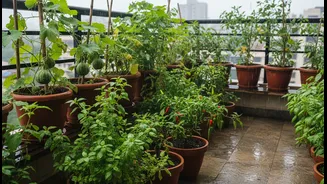
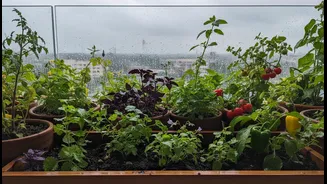
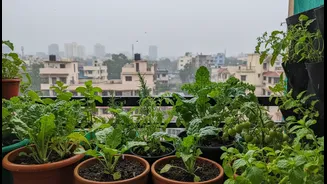
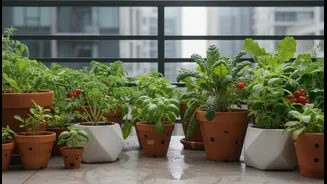
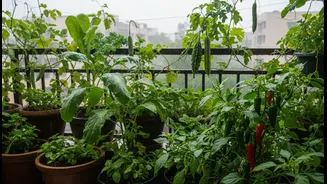
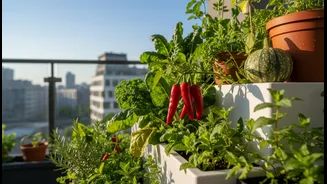
Not all vegetables are suited for the high humidity and frequent rain of the monsoon. The key is to select plants that thrive in these specific conditions. Leafy greens like spinach (palak), amaranth (chaulai), and Malabar spinach are excellent choices.
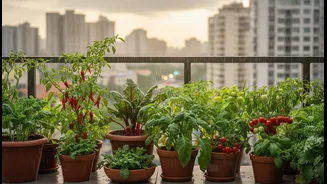
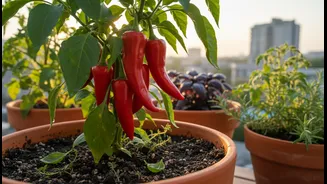
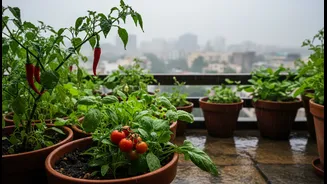
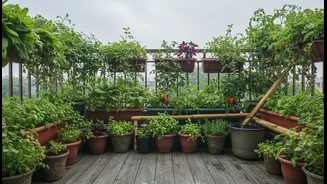
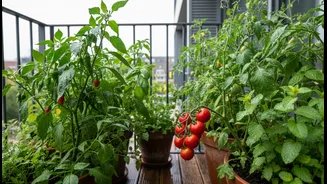
Fruiting vegetables such as tomatoes (especially cherry varieties), chillies, and brinjal also do surprisingly well in containers. Vining plants like bottle gourd (lauki), bitter gourd (karela), and various beans are champions of monsoon gardening, provided they have a sturdy trellis to climb. This vertical growth also saves precious floor space. Starting with robust seedlings instead of seeds can give beginners a higher success rate, as young plants are better equipped to handle the weather.
Mastering Monsoon Drainage
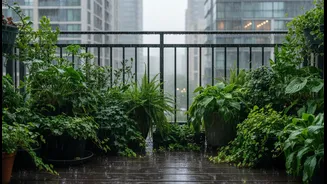
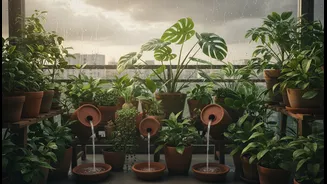
The single most critical factor for a successful monsoon garden is drainage. Constant rain can quickly lead to waterlogged soil, which suffocates roots and causes root rot—a common reason for plant failure. Your first line of defence is the pot itself; ensure every container has at least one, if not several, drainage holes at the bottom. Elevating your pots on bricks or pot feet is a simple but highly effective trick. This prevents the pot from sitting in a puddle of water and allows excess moisture to drain away freely. For the soil itself, avoid using heavy garden soil alone, as it compacts and turns to mud. Instead, use a light, well-draining potting mix, typically a combination of cocopeat, compost, and coarse sand or perlite. This mix retains moisture without becoming saturated.
Working with Cloudy Day Sunlight
Monsoon skies are often overcast, which can be a concern for sun-loving vegetables. However, plants can still photosynthesise effectively with the diffuse light that penetrates cloud cover. Most vegetables and herbs require at least four to six hours of light to thrive. To maximise what's available, observe your balcony to identify the brightest spots throughout the day and place your plants there. East-facing balconies that receive gentle morning sun are ideal for many herbs and greens. You can also strategically use light-coloured walls or even place reflective surfaces to bounce more light onto your plants. For balconies with very limited light, focusing on shade-tolerant plants like mint, coriander, and some leafy greens is a more realistic approach.
Why Pot Size Matters
Choosing the right pot size is not just about aesthetics; it is crucial for the health and productivity of your plants. A pot that is too small restricts root growth, leading to a stunted plant that produces little to no harvest. Conversely, a pot that is too large can hold excess moisture, increasing the risk of root rot, especially during the monsoon. As a general rule, most fruiting vegetables like tomatoes and brinjals need a medium-to-large pot of at least 12-15 inches in depth and diameter. Leafy greens and herbs like lettuce and coriander can do well in shallower, wider containers. Root vegetables such as radishes and carrots need deeper pots to allow their roots to develop downwards without obstruction. Always choose a pot size based on the mature size of the plant, not the seedling.
Feeding and Plant Care
Heavy rains can wash away, or 'leach', essential nutrients from the soil in your pots. To counteract this, you'll need to replenish them. Incorporating slow-release organic matter like vermicompost into your initial potting mix provides a steady base of nutrition. During the peak growing season, you may need to supplement with a liquid fertiliser every couple of weeks, but it's often advised to fertilise less during the monsoon as the plant is already getting a boost from the rainwater. Also, be vigilant about pests, which can multiply in the humid weather. Regularly check the undersides of leaves and prune any yellowing or diseased foliage to improve air circulation and prevent problems from spreading.