




The Rise of the Fresh Food Movement
In cities across India, a significant shift is happening in how people feed their pets. A growing number of pet parents, who view their dogs and cats as family members, are moving away from traditional dry pellets. They are questioning the ingredients
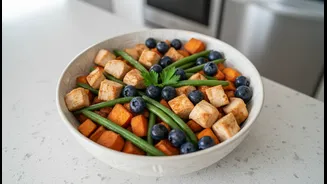
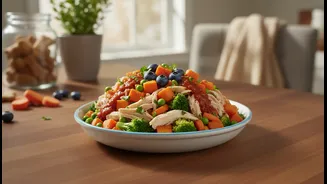
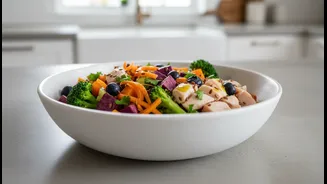
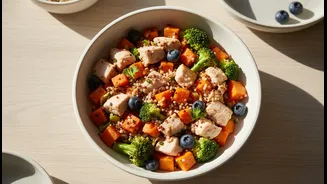
in mass-market kibble and seeking more transparent, high-quality options. This has fueled the rise of fresh pet food—meals made from whole, recognizable ingredients like real meats and vegetables, which are gently cooked to preserve nutrients. Unlike highly processed kibble, fresh food is minimally processed and often free from artificial preservatives, appealing to owners who apply the same wellness standards to their pets' food as they do to their own.
Solving the 'Kibble Boredom' Problem
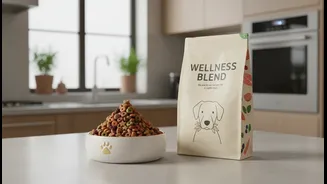
Is 'kibble boredom' a real phenomenon? For many frustrated owners, it certainly feels that way. Dogs may lose interest in dry food because of its repetitive taste and texture. Fresh food, with its stronger, more natural aroma and flavour, is often far more enticing to picky eaters. The higher moisture content, typically over 65% compared to kibble's 10%, also makes the food more palatable and helps with hydration—a crucial factor in India's hot climate. For many dogs, the switch can be the turning point that gets them excited about mealtime again.
Understanding 'Vet-Approved' Claims
The term 'vet-approved' can be confusing. In India, there isn't a single regulatory body for pet food like in some other countries. However, a credible 'vet-approved' or 'vet-formulated' product usually means that veterinarians or veterinary nutritionists were involved in creating the recipe. Vets recommend brands based on factors like scientific validation, safety records, and nutritional completeness according to standards like AAFCO (Association of American Feed Control Officials). Many vets see the benefit in fresh, gently cooked diets because the cooking process eliminates harmful bacteria found in raw food while preserving nutritional integrity. They are often recommended for dogs with sensitive stomachs, skin conditions, or allergies.
The Benefits Beyond the Bowl
Proponents of fresh food report a wide range of health improvements. One of the most significant is improved digestion. Because fresh ingredients are more bioavailable, dogs absorb more nutrients, which often results in smaller, firmer stools. Pet parents frequently notice healthier skin and a shinier coat, thanks to the high-quality proteins and natural fats. While fresh food is more expensive than kibble, some studies suggest it may lead to lower veterinary costs over time due to fewer chronic issues. Of course, a well-formulated kibble can still provide a healthy diet, and the best choice always depends on the individual pet.
Making the Switch Safely
Transitioning to a new food should always be done gradually to avoid digestive upset. Veterinarians recommend a slow switch over 7 to 14 days. Start by mixing a small amount of the new fresh food (about 25%) with your pet’s old kibble. Over the course of the week, gradually increase the proportion of fresh food while decreasing the old food, until you have fully transitioned. Watch your pet for any signs of stomach upset, like loose stools. If this occurs, slow down the transition period. A hybrid approach, using fresh food as a topper on kibble, is also a popular and cost-effective option for many Indian households.