




The Golden Rule of Scraps
The foundation of a great zero-waste soup is a flavorful vegetable stock made from scraps you'd otherwise compost or throw away. As you cook throughout the week, get into the habit of saving your vegetable trimmings. A large reusable bag or container
in the freezer is perfect for this. Ideal scraps include onion ends and skins, carrot peels and ends, celery butts, and mushroom stems. These create the aromatic base that gives your soup depth. Even corn cobs, wilted herbs, and sad-looking vegetables from the crisper drawer can be given a new purpose here. The key is to use ingredients that are past their prime but not rotten or moldy, as this can spoil the flavor and introduce unwanted bacteria.
Scraps to Skip
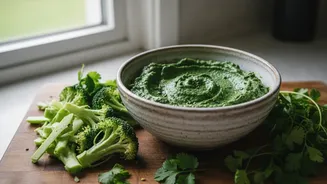
While many scraps are welcome, some can negatively affect your stock. The main culprits to avoid are cruciferous vegetables like broccoli, cauliflower, cabbage, and Brussels sprouts. When simmered for a long time, these can release compounds that make the entire pot of stock taste bitter and unpleasant. It's also wise to limit or avoid starchy items like potato peels, which can make the stock cloudy. Vegetables with overpowering flavors or colors, such as beets or spicy peppers, should also be left out unless you want a stock that is specifically beet-flavored or spicy. The goal is a versatile, savory base, and the wrong ingredients can dominate the flavor profile.
From Scraps to Stock
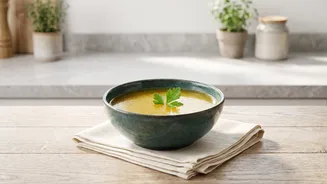
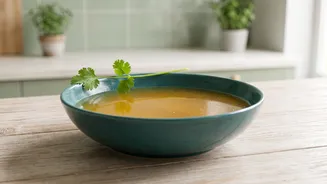
Once your freezer bag is full, making the stock is incredibly simple. Empty the frozen scraps into a large stockpot and add enough water to cover them completely. You can also add aromatics like a few bay leaves, whole peppercorns, or a head of garlic for extra flavor. Bring the pot to a boil, then reduce the heat to a simmer. Let it gently bubble away for at least 45 to 60 minutes, though a longer simmer of up to a few hours will produce a richer, more concentrated flavor. When it's done, simply strain the liquid through a fine-mesh sieve, discarding the now-spent solids. You are left with a golden, homemade vegetable stock that costs virtually nothing to make.
Reviving Stale Bread
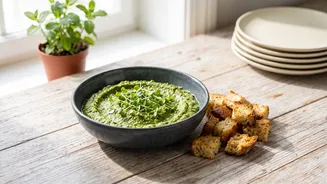
That rock-hard baguette or the last few slices of a sourdough loaf don't belong in the bin. Stale bread is a secret weapon in soup making. Its dry, porous texture makes it perfect for absorbing liquid and flavor without turning to mush. One of the easiest ways to use it is to make croutons. Simply tear or cube the bread, toss it with a bit of olive oil and seasonings, and bake until golden and crunchy. These can be scattered over your finished soup for a satisfying textural contrast. Alternatively, stale bread can be used to thicken the soup itself. This is a classic technique in many European cuisines, most notably the Tuscan soup Ribollita. Tearing the bread into small pieces and adding it directly to the simmering soup allows it to break down, adding body and a rustic heartiness to the final dish.
Putting It All Together
With your homemade stock and stale bread ready, you can create an endless variety of soups. Start by sautéing fresh aromatics like diced onion and garlic in your pot. Add any other vegetables you have on hand—fresh or leftover—and cook them until softened. Pour in your scrap stock, bring it to a simmer, and let the flavors meld. This is your chance to use up any other odds and ends, from a handful of greens to leftover beans or cooked grains. Once the soup is ready, you can serve it chunky, blend it smooth with an immersion blender, and top it with your homemade croutons. It’s a complete meal born from ingredients that might have otherwise gone to waste.