


What Makes a 'Dark Sky' Special?
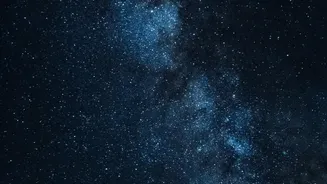
Before diving into Langza’s magic, it’s helpful to understand what a “dark-sky” location really is. These are areas recognised for having exceptionally clear night skies, free from artificial light pollution. This clarity allows celestial objects like
the Milky Way, distant galaxies, and meteor showers to be seen with the naked eye. Organisations like DarkSky International certify official 'Dark Sky Reserves' where communities have committed to preserving this natural darkness through responsible lighting. While Spiti Valley is identified as a potential Dark Sky Reserve, its locations like Langza already offer this profound experience thanks to their natural conditions.
The High-Altitude Advantage
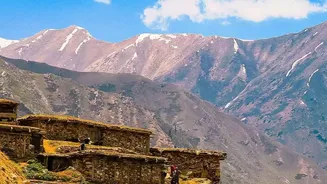
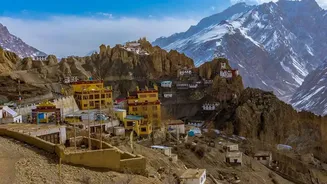
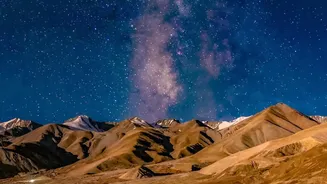
Langza’s location is its greatest asset. Situated at a breathtaking altitude of about 14,500 feet (around 4,400 metres) in the Spiti Valley, the village sits above much of the atmospheric haze that plagues lower regions. This high-altitude desert environment has a dry, cold climate with very little rainfall, resulting in over 250 clear nights a year. The thin, crisp air provides a crystal-clear window to the universe, making the stars appear sharper, brighter, and as if you could almost reach out and touch them. This lack of humidity and pollution means the stars don't 'twinkle' as much, appearing as steady, brilliant points of light.
A World With Almost No Light Pollution
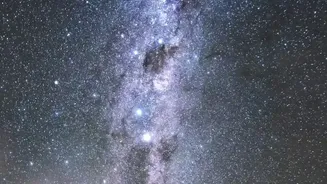
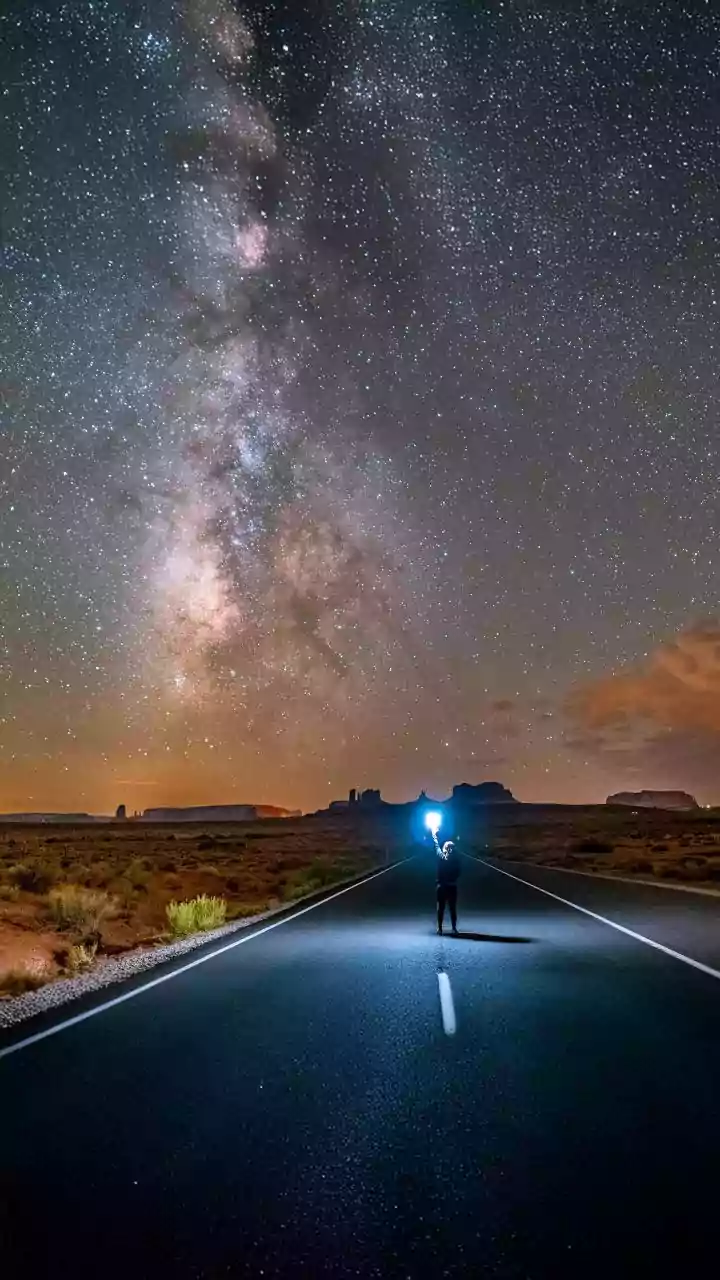
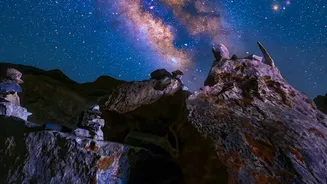
Spiti Valley is one of the most remote and sparsely populated regions in India, and Langza is a tiny hamlet within it, with a population of just over a hundred people. This remoteness means there is virtually zero light pollution from cities or large towns. The area is rated as a Bortle Class 1 zone, which is the darkest possible rating for a night sky. On a moonless night, the Milky Way can be so bright that it has been reported to cast a faint shadow on the ground. This pristine darkness is the key ingredient that allows the faintest stars and deepest cosmic colours to become visible.
A Community Embracing the Stars
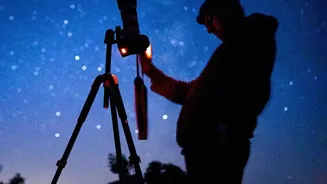
The potential of astro-tourism hasn't gone unnoticed. In a significant push, the Himachal Pradesh government recently launched a stargazing facility in Kaza, the sub-divisional headquarters of Spiti. This initiative aims to empower local communities, including those in Langza, by providing them with high-end telescopes and training. Residents and homestay owners are being encouraged to host guided night-sky sessions for tourists, creating a sustainable tourism model that is both scientific and community-driven. This formal support helps ensure that visitors get a rich, educational experience while providing a new livelihood for local youths.
The Celestial Sights on Display
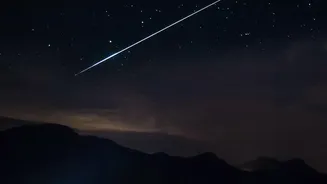
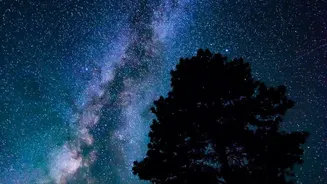
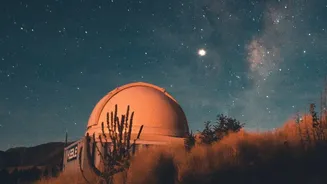
So, what can you actually see? From Langza, the view is nothing short of spectacular. The core of our own galaxy, the Milky Way, is visible in breathtaking detail, especially between May and September. It appears as a dense, glowing band stretching across the sky. Major meteor showers like the Perseids and Geminids are also brilliant from this vantage point. With a good telescope or even binoculars, you can spot planets, star clusters, and even the faint smudge of the Andromeda Galaxy, our closest galactic neighbour. The iconic Buddha statue in Langza provides a stunning foreground for astrophotographers, creating a sense of peace and timelessness as the cosmos wheels overhead.
Planning Your Stargazing Trip
The best time for stargazing in Langza is from May to October, when the weather is milder and roads are accessible. The nights between July and September are particularly good for viewing the vibrant Milky Way core. It's crucial to plan your trip around the new moon ('Amavasya'), as a full moon's brightness can wash out the fainter stars. Remember that nights are cold even in summer, so packing warm layers is essential. Due to the high altitude, acclimatisation is vital. Spend a day or two in Kaza (around 12,500 feet) before heading up to Langza to allow your body to adjust to the lower oxygen levels.