







Water, Wire, and a Recipe for Disaster
The phrase ‘water and electricity don’t mix’ is a life-saving truth. Pure water is a poor conductor, but the water flooding Indian streets is far from pure. It's a murky soup of rainwater, sewage, soil, salts, and other minerals, making it an effective
conductor of electricity. When a live wire from a broken pole, a damaged underground cable, or faulty wiring from a streetlight comes into contact with this water, the entire flooded area can become electrified. The current doesn't stay near the source; it spreads out, creating a wide, invisible, and deadly hazard zone. A person doesn't need to touch the wire itself to be electrocuted; simply stepping into the energized water can be enough to cause serious injury or death.
Why Metal Objects Are So Dangerous
In uncertain waters, it's natural to want to probe the ground for hidden potholes or debris. While the instinct is correct, the choice of tool is critical. Using a metal rod, pipe, or even an umbrella with a metal tip creates a direct, low-resistance path for electricity. Think of it as building a personal bridge for a lethal current. If the water is energized, the electricity will instantly travel up the highly conductive metal object and through your body to find the quickest path to the ground. Your body, being mostly water and a good conductor itself, tragically completes the circuit. Even materials that seem non-conductive, like wood or cloth, can become dangerous conductors when soaked with impure floodwater.
Recognising the Risks on Indian Streets
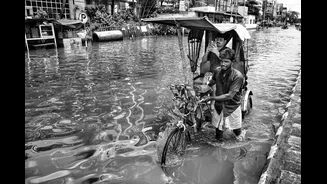
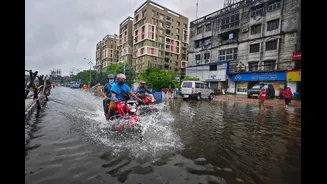
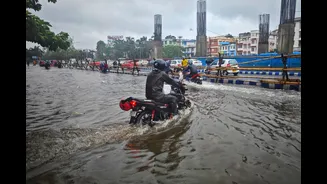
The risk of electrocution during monsoons is tragically common across Indian cities, a result of a dangerous mix of ageing infrastructure and heavy rains. Recent incidents in Maharashtra and the Delhi-NCR region have highlighted how quickly a waterlogged street can turn deadly. Common sources of danger include downed or tilted electricity poles, submerged junction boxes and transformers, open electrical panels, and exposed wiring from illegal connections or poorly maintained streetlights. Residents have often reported these hazards to authorities to no avail. It is crucial to treat any flooded area near electrical infrastructure with extreme caution, as there is no way to see the danger hidden in the murky water.
A Safer Way to Navigate
The single most important piece of advice is to stay out of flooded water altogether. No shortcut is worth your life. If you absolutely must traverse a waterlogged area, do not use any metal object for support or probing. The safest tool is a dry, solid wooden stick or a bamboo pole, which are poor conductors of electricity. Use it to feel the ground ahead of you for unseen dangers like open manholes, not to test for electricity. Move slowly, and if you feel even a slight tingling sensation, retreat immediately by shuffling with small steps, keeping your feet together and on the ground at all times to minimize the risk of a strong shock.
Your Flood Safety Checklist
Official bodies like the National Disaster Management Authority (NDMA) issue guidelines for public safety. At home, if flooding is imminent, switch off the main power supply before water enters your premises. Never attempt to turn off a breaker box if you have to stand in water to do so; call your electricity provider instead. Avoid touching any electrical switches or appliances with wet hands. If you are outdoors, stay at least 30 to 50 feet away from any downed power lines or tilted poles. Report any visible electrical hazards like snapped wires or sparking equipment to your local electricity board immediately. Do not assume someone else has already made the call; your alert could save a life.