







The New Golden Age of Rail
Something is shifting in the way we travel. After decades dominated by the speed of air travel and the convenience of the car, the humble train is experiencing a remarkable resurgence. It’s a movement driven not by nostalgia alone, but by a modern reassessment
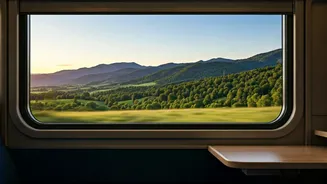
of what travel should feel like. Travellers are increasingly trading cramped airplane seats and chaotic airport security lines for the scenic, spacious, and altogether more civilized experience of watching the world glide by from a train window. This isn’t just about getting from A to B; it's about embracing the journey itself, a core principle of the burgeoning 'slow travel' movement that prioritizes connection and experience over a rushed itinerary. This shift in mindset is transforming rail from a mere mode of transport into a desirable part of the vacation experience itself.
Riding the Green Wave
One of the most powerful engines driving this trend is the growing awareness of our environmental impact. For climate-conscious travellers, the numbers are compelling. Taking a train instead of a short-haul flight can cut carbon emissions by as much as 90%. According to the International Energy Agency, a train journey produces, on average, significantly less CO2 per passenger-kilometre compared to flying or driving. This concept of 'flight shame,' or flygskam, has moved from a niche Swedish idea to a mainstream consideration for many travellers who want to explore the world more responsibly. Choosing rail is one of the most significant single actions an individual can take to reduce their travel carbon footprint, making it an increasingly popular choice for those looking to align their adventures with their values.
A Renaissance in Comfort and Style
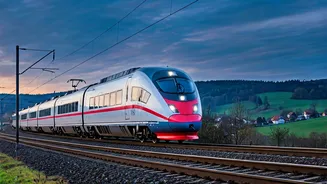
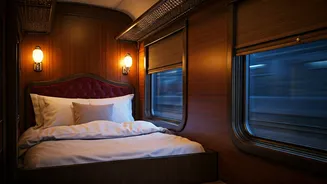
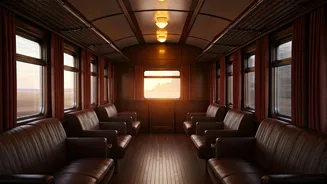
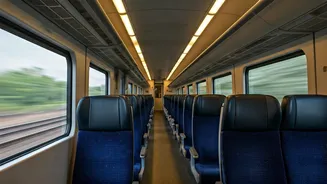
Forget the outdated notion of stuffy, basic carriages. Today's rail revival is defined by significant upgrades in comfort and amenities. In the United States, Amtrak is rolling out its new Airo and NextGen Acela trains, which promise a modernized passenger experience with a focus on comfort and reliability. These new fleets are part of a broader push to make train travel not just a practical alternative, but a genuinely pleasant one. Across Europe, the revival of sleeper trains is a major headline. Companies like European Sleeper and Austria's ÖBB Nightjet are launching new overnight routes connecting major cities like Paris, Berlin, Brussels, and Prague, offering travellers the chance to fall asleep in one country and wake up in another. Some lines are even veering into luxury, with operators like Belmond launching high-end sleeper services that evoke a classic, more glamorous era of travel.
New Tracks and Expanding Horizons
This renewed interest in rail is being met with a wave of investment and expansion. In Europe, 2026 sees the launch of several key routes, including a highly anticipated service from Amsterdam and Brussels to Milan. Meanwhile, connections between Germany and Poland have been significantly boosted, making it easier than ever to explore Central Europe. In the U.S., the Bipartisan Infrastructure Law has injected billions into passenger rail, fueling Amtrak's vision to connect up to 160 new communities and expand services. Record ridership in 2025 has demonstrated a clear public appetite for more and better train service. Private ventures like Brightline in Florida are also proving the demand, showing impressive ridership growth even in car-centric markets and expanding their train capacity to meet sold-out demand.
The Journey Over the Destination
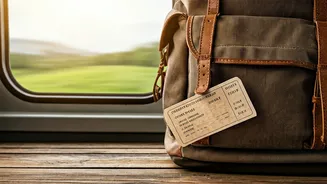
Ultimately, the return to rail is about more than just practicality or politics; it's a cultural shift. It taps into a collective desire to slow down, to be more present, and to find meaning not just in the destination, but in the spaces in between. It’s the freedom to walk to a dining car for a meal, to get work done with free Wi-Fi, or to simply gaze out at an ever-changing landscape without the stress of traffic or airport procedures. It's about swapping the frantic rush of modern travel for an experience that restores rather than exhausts. As new lines are drawn and old ones are revitalized, it’s clear that the tracks are leading toward a future where the journey is once again celebrated.