


What Exactly Is Sattu?
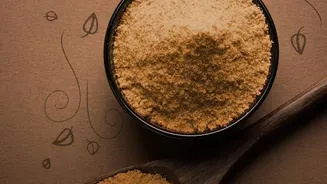
Long before protein powders became a gym bag essential, there was sattu. Often called the 'poor man's protein,' it's a super-flour traditionally used in states like Bihar, Uttar Pradesh, and Jharkhand. Sattu is typically made from roasted Bengal gram
(chana), which is then ground into a fine powder. The roasting process is crucial—it gives sattu its distinctive nutty flavour and, more importantly, makes it ready to consume without cooking. For generations, it has been the go-to source of sustained energy for farmers and labourers, usually mixed into a cooling drink called sharbat or kneaded into dough for littis and parathas. Its convenience and long shelf life made it a reliable source of nourishment for centuries.
The Nutritional Powerhouse
The fitness community's embrace of sattu is backed by solid nutritional science. It is a fantastic source of plant-based protein, with a 100-gram serving offering between 20 to 26 grams of protein, essential for muscle repair and growth. Unlike many commercial supplements, it's a whole food, meaning it also comes packed with other essential nutrients. Sattu is rich in dietary fibre, which promotes digestive health, helps keep you feeling full for longer, and aids in weight management. It also has a low glycemic index, providing a slow and steady release of energy that prevents blood sugar spikes and the subsequent crash, making it an ideal pre-workout fuel. Furthermore, it is loaded with crucial minerals like iron, magnesium, and calcium, which help fight fatigue and support overall bodily function.
From Traditional Drink to Trendy Bowl
While the classic sattu sharbat, a savoury drink with lemon and black salt, remains a beloved summer cooler, its modern reinvention as a smoothie bowl is what's catching on. The shift from a thin drink to a thick, spoonable bowl is about creating a more substantial and nutritionally complete meal. A bowl offers greater satiety and serves as a perfect base for a variety of healthy toppings. This evolution aligns with a broader wellness trend of favouring whole, unprocessed foods over packaged alternatives. By blending sattu into a thick smoothie, fitness enthusiasts create a satisfying meal that supports recovery and keeps them full, turning a quick energy drink into a proper, textured meal.
Crafting Your Perfect Sattu Smoothie Bowl
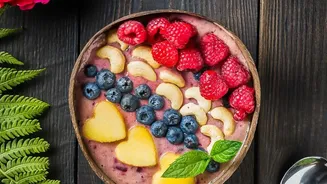
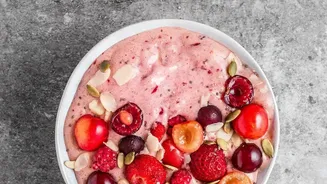
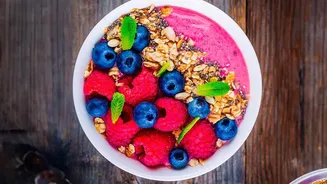
Making a sattu smoothie bowl is incredibly simple and highly customisable. The goal is to achieve a thick, creamy consistency that can be eaten with a spoon. Start with a base of 2-4 tablespoons of sattu flour. Instead of just water, use a thicker liquid like curd, yoghurt, or a plant-based milk like almond or soy milk. Add a natural sweetener for flavour and energy; dates, a drizzle of raw honey, or a small piece of jaggery work well. For creaminess, blend in half a banana or a tablespoon of peanut butter. This combination creates a rich, protein-packed foundation. To ensure it's thick enough, start with less liquid and add more as needed until you reach your desired consistency.
Toppings and Flavour Combinations
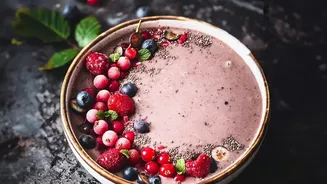
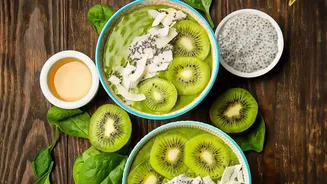
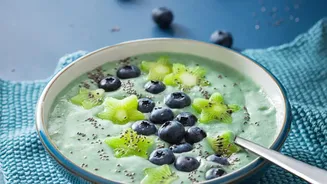
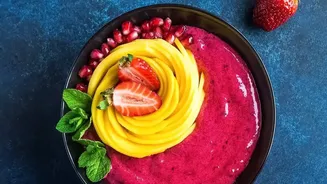
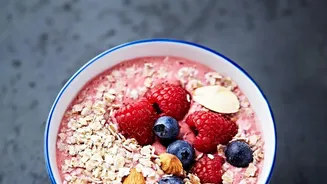
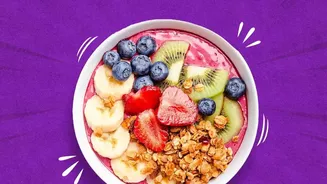
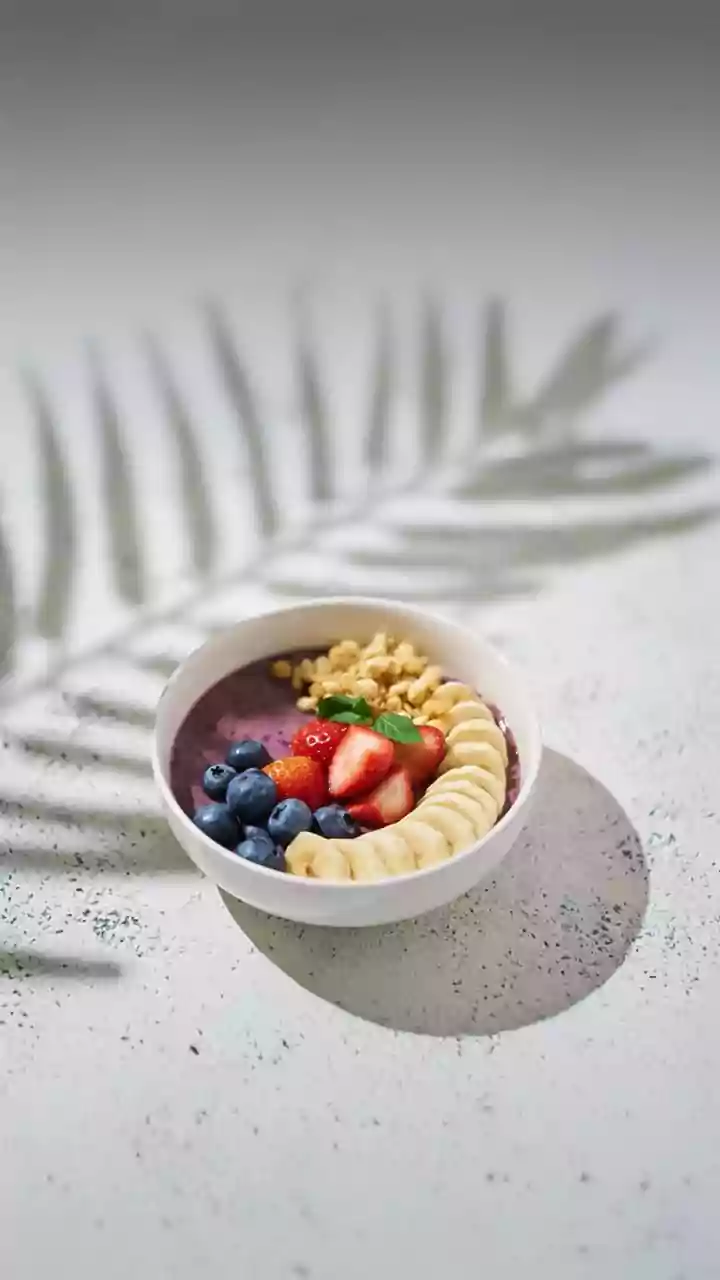
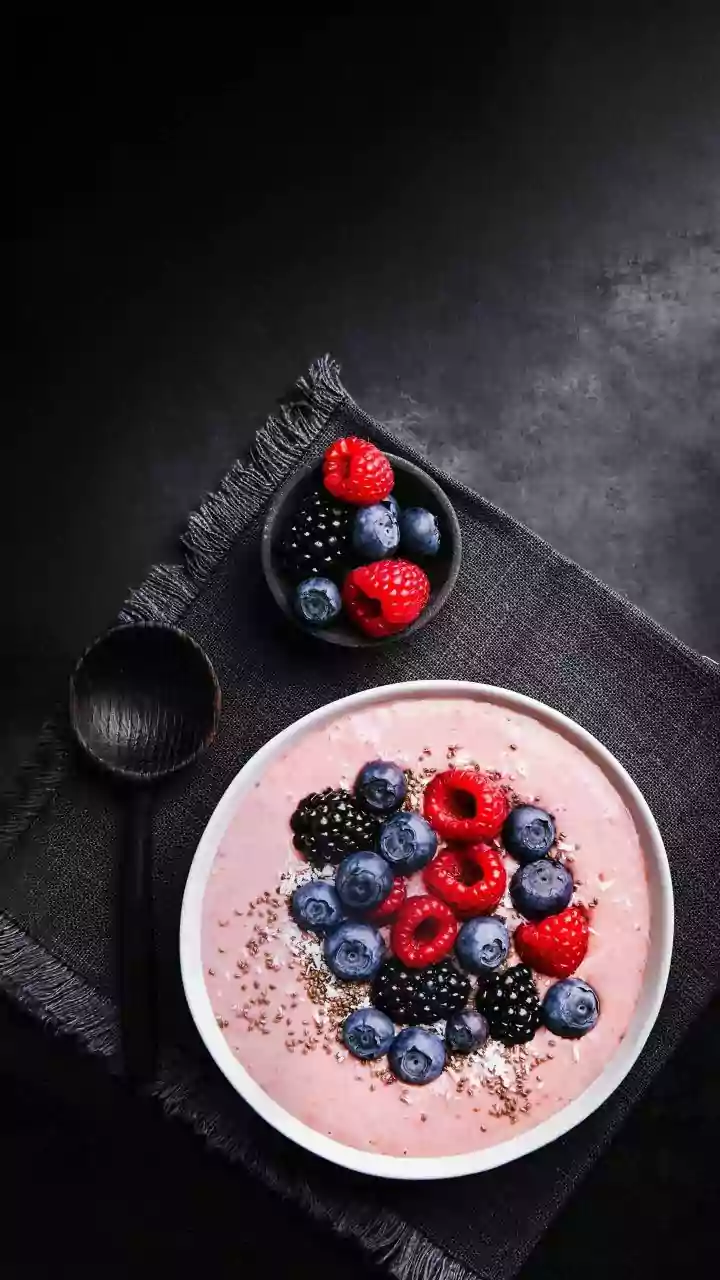
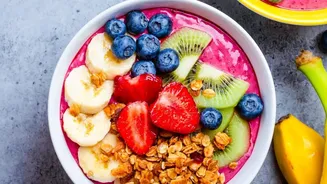
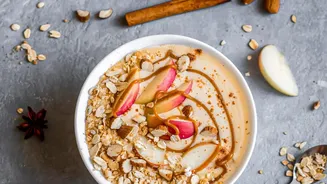
The toppings are where you can get creative and add extra nutrients and texture. Fresh fruit like sliced bananas, pomegranate seeds, or chopped mangoes add natural sweetness and vitamins. For a healthy crunch and good fats, sprinkle on a mix of pumpkin seeds, chia seeds, and chopped almonds or walnuts. For a decadent twist, a spoonful of raw cacao powder blended into the base gives it a chocolatey flavour that pairs wonderfully with peanut butter. Another popular combination is sattu blended with banana and a pinch of cardamom, topped with pistachios for a more traditional Indian flavour profile. Don't be afraid to experiment with different fruits, nuts, and spices to find your favourite blend.