






A Green Wave in Urban Spaces
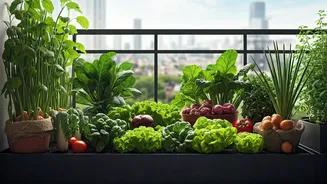
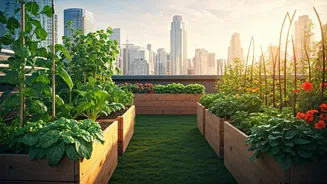
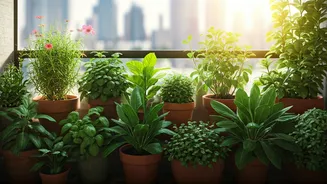
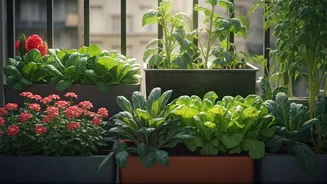
From Mumbai's high-rises to Delhi's bungalows and Bengaluru's tech-hub apartments, a powerful trend is reshaping urban living. Indians are embracing gardening with unprecedented enthusiasm, converting any available space—balconies, terraces, windowsills,
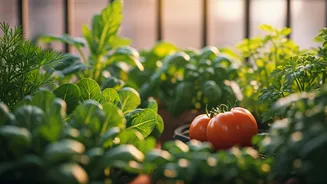
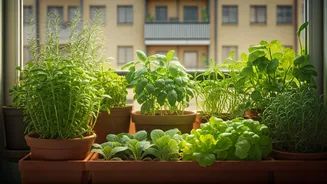
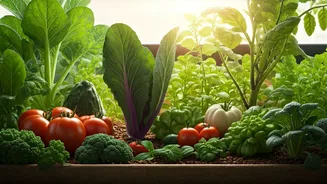
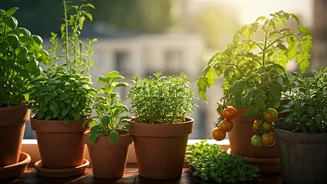
and even vertical walls—into miniature oases. This isn't just about a few decorative potted plants anymore. We're seeing full-fledged kitchen gardens producing everything from mint and coriander to tomatoes, chillies, and leafy greens. It represents a fundamental shift in how people view their homes, no longer just as shelters but as living, breathing ecosystems that can provide sustenance, beauty, and a vital connection to nature.
The Post-Pandemic Bloom
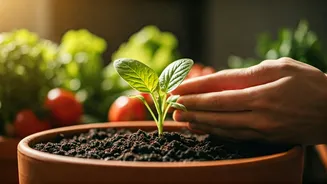
While urban gardening has been a niche hobby for decades, the COVID-19 pandemic acted as a powerful catalyst. Confined to their homes during lockdowns, many Indians sought ways to improve their living environment and mental well-being. Gardening offered a perfect solution: a therapeutic, tangible activity that brings nature indoors. The simple act of nurturing a plant from seed to harvest provided a sense of purpose and control during a period of great uncertainty. This newfound appreciation for green spaces didn't fade away as restrictions eased; instead, it solidified into a long-term lifestyle choice for millions who discovered the immense psychological benefits of having a personal green sanctuary.
From Hobby to Household Essential
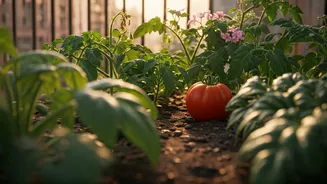
What began as a wellness activity is now driven by practical concerns. With rising food prices and growing awareness about pesticides, having a garden provides a source of fresh, organic, and hyper-local produce. For many families, a small terrace garden can significantly supplement their grocery needs, ensuring a steady supply of herbs and vegetables. It's a return to a form of self-sufficiency that was once common in rural India, now adapted for the urban landscape. This movement is also educational, teaching a new generation of city-dwelling children where their food comes from, fostering a deeper respect for the environment and the food system.
Tech-Enabled Green Thumbs
This green revolution is being supercharged by technology. A new wave of Indian agritech startups is making gardening more accessible than ever, especially for beginners. Companies offer everything from curated seed kits and specialized organic soil mixes to self-watering planters and hydroponic systems designed for small urban spaces. Online tutorials, gardening apps that diagnose plant diseases, and vibrant social media communities provide a wealth of information and support. This tech-enabled ecosystem demystifies gardening, removing the guesswork and empowering novice gardeners to achieve successful harvests, turning the daunting prospect of a 'black thumb' into a thing of the past.
Breathing Life into Concrete Jungles
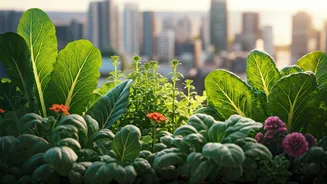
The impact of this trend extends beyond individual homes. Collectively, these small green pockets are beginning to have a positive environmental effect on cities. They help combat the urban heat island effect, where concrete and asphalt absorb and retain heat. Plants improve local air quality by filtering pollutants and producing oxygen. They also support urban biodiversity, providing habitats for birds, bees, and butterflies. While a single balcony garden may seem small, the cumulative effect of thousands of them creates green corridors that make our cities more livable, resilient, and beautiful. It's a grassroots solution to an urban problem, driven by the collective action of ordinary citizens.