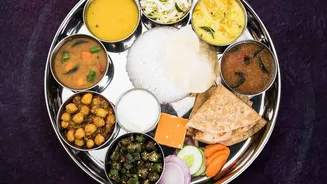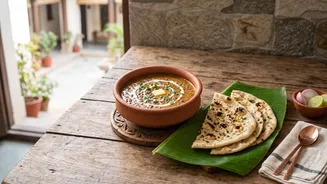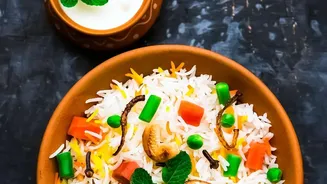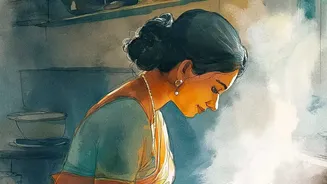




In the frantic pace of modern life, meal planning can feel like another chore. But what if the secret to balance and joy in the kitchen isn't a new app, but a taste of the past? Rediscovering family recipes offers more than just a meal.
The Comforting Power of Nostalgia
There is a unique
magic in the taste and smell of a dish from your childhood. Science explains this powerful connection. Our sense of smell is directly linked to the brain's limbic system, which governs emotion and memory. This is why the aroma of a specific spice or a simmering sauce can instantly transport you back to a grandparent's kitchen, evoking feelings of comfort and security. This phenomenon, known as food nostalgia, acts as a potent mood-booster. In a world that often feels overwhelming, these flavors offer a moment of grounding, reminding us of simpler times and reinforcing our sense of identity and belonging. A single bite can become a bridge to your past, reconnecting you with family history and cherished moments.
Finding Balance in Tradition
The idea of 'balance' extends beyond just a well-rounded diet. Cooking heritage recipes can bring a sense of equilibrium to our lives. These dishes are often inherently sustainable, born from an era when ingredients were used to their fullest to minimize waste. Think of root-to-leaf vegetable use or turning stale bread into a hearty soup. Integrating these practices provides a practical template for a more mindful and economical kitchen. Furthermore, the act of preparing a meal passed down through generations provides a structured, rewarding task with a clear beginning, middle, and end. This process can be psychologically grounding, reinforcing a sense of competence and agency amidst daily chaos. It's a way to create something tangible and meaningful, connecting us to our roots while nourishing our present.
How to Collect Your Culinary Heritage
Preserving your family's culinary legacy is a rewarding project, but it requires a gentle approach. The first step is to simply start conversations. Ask older relatives about their favorite dishes and the stories behind them. Many heritage recipes are intuitive, with measurements like 'a little bit of this' or 'add until it feels right'. To translate this, cook alongside them. Take notes, measure their 'pinches' and 'splashes', and ask questions about visual cues, like the color of a sauce or the texture of a dough. Be sure to document the stories and traditions associated with each dish, as they are just as important as the ingredients. These narratives transform a simple set of instructions into a living piece of family history.
Adapting Old Recipes for Modern Life
Once you have the recipes, don't be afraid to make them your own. The goal is to keep these traditions alive, not to perfectly replicate them under different circumstances. Many older recipes can be updated for modern health preferences or kitchen tools. You might reduce salt or sugar, swap a heavy fat for a lighter oil, or adapt a stovetop method for a slow cooker or air fryer. To protect fragile, handwritten recipe cards from spills, it's wise to scan or photograph them. Create a digital copy to cook from, preserving the original as a treasured heirloom. This also makes sharing with other family members easy, ensuring the recipes can be enjoyed by everyone and passed down to the next generation.
Weaving Recipes Into Your Weekly Routine
Bringing family recipes into your regular meal plan shouldn't feel like a monumental task. Start small. Choose one or two heritage recipes to make each week. Perhaps dedicate Sunday dinners to a traditional family meal, creating a new ritual. Many one-pot or roasted dishes, common in traditional cooking, are perfect for busy weeknights because they require minimal active time and simplify cleanup. Planning around these familiar, beloved meals can reduce decision fatigue and make cooking feel less like a chore and more like an act of selfcare and connection. By regularly making these dishes, you are not just feeding your family; you are actively strengthening your connection to your past and building new memories for the future.