






The Post-Walk Paw Protocol
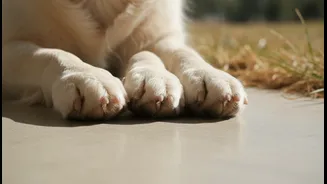
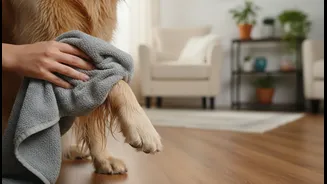
Your dog's paws are the primary point of contact with wet, dirty streets that can harbour bacteria and fungi. A consistent cleaning routine is non-negotiable. After every single walk, no matter how short, thoroughly wipe and dry your dog's paws. Pay special
attention to the spaces between their toes, as trapped moisture is a leading cause of fungal infections. For long-haired breeds, keeping the fur around the paw pads trimmed can significantly reduce the amount of mud and water they track in. A quick rinse with lukewarm water may be needed for particularly muddy outings, but always dry completely. This simple, two-minute habit prevents most common paw-related monsoon ailments.
Drying and Skin Protection
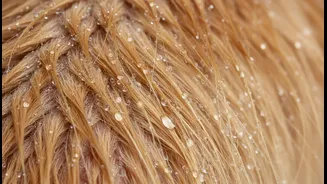
The single biggest cause of skin infections in dogs during the monsoon is a coat that remains damp. The high humidity means air-drying is slow and ineffective, creating a perfect breeding ground for bacteria and yeast, leading to painful hot spots and fungal issues. After any exposure to rain, towel-dry your dog thoroughly, going beyond the surface to the undercoat. A microfibre towel is highly effective. For double-coated or thick-furred dogs, using a hairdryer on a low-heat, low-speed setting can be a game-changer. Regular brushing is also vital to prevent matting and improve air circulation to the skin.
Diet, Digestion, and Hydration
Gastrointestinal issues often spike during the rainy season. Dogs must not be allowed to drink from puddles or stagnant water, which are teeming with bacteria and parasites that can cause diseases like leptospirosis. Always provide fresh, clean, and preferably filtered or boiled water. Tummy upsets are common, so sticking to a light, easily digestible diet is recommended. Some vets suggest adding fibre-rich vegetables like pumpkin to aid digestion. This is not the season for experimenting with new foods; consistency helps maintain gut health. Ensure food bowls are washed after every meal to prevent bacterial growth in the humid conditions.
Indoor Exercise and Mental Stimulation
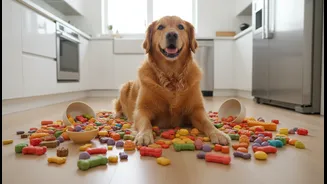
Cancelled or shortened walks can lead to a bored, restless, and destructive dog. The key is to redirect their pent-up energy into indoor activities that engage their brain. Mental stimulation can be as tiring as physical exercise. Just 15 minutes of focused brain games can be equivalent to a 30-minute walk. Incorporate scent work by hiding treats around a room for your dog to find. Food puzzles, snuffle mats, and lick mats are excellent tools to make mealtimes a mentally engaging activity. Short indoor training sessions to practice old commands or teach new tricks are also a great way to bond and burn mental energy.
Health Watch and Prevention
Prevention is the cornerstone of a stress-free monsoon. The damp weather leads to an explosion in fleas and ticks, so ensure your dog is on a vet-approved preventive treatment. Keep their bedding clean and dry, washing it frequently to prevent fungal growth. Be vigilant for early signs of trouble: excessive scratching, redness, a musty odour, or changes in appetite and energy. Common monsoon diseases in India include fungal and bacterial skin infections, tick-borne illnesses, and water-borne diseases like leptospirosis. Scheduling a pre-monsoon vet visit to ensure vaccinations (especially for leptospirosis) and deworming are up-to-date is one of the smartest steps you can take.