


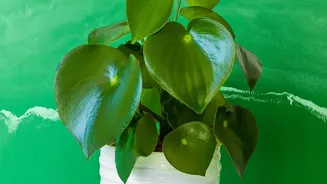
1. Find a Quarantine Zone
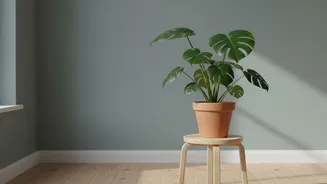
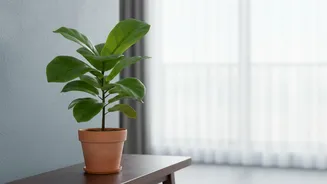
The first step is immediate isolation. Quarantine means keeping the new plant completely separate from your other plants, ideally in a different room. A spare bathroom, laundry room, or a corner of a room far from other greenery will work. This separation
is crucial because pests like fungus gnats can fly, while others like spider mites can travel short distances between plants. Simply placing the new arrival on a different shelf in the same room is not an effective quarantine. If space is tight, you can place a large, clear plastic bag over the plant to create a barrier, ensuring it has some ventilation holes and is kept out of direct sun.
2. Conduct a Thorough Leaf and Stem Check
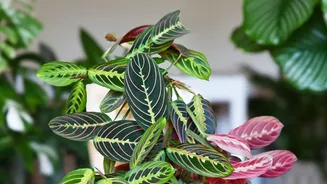
Once isolated, it's time for a detailed inspection. Pests love to hide, so be meticulous. Check the undersides of all leaves, in the crevices where leaves meet the stem (axils), and along the stems themselves. Look for common culprits: fine, silky webbing (a sign of spider mites), small white cottony masses (mealybugs), or flat brown bumps (scale insects). Thrips, another common pest, leave behind silvery streaks and tiny dark specks on leaves. Using a magnifying glass can be very helpful for spotting these tiny invaders before they become a major problem. Also, look for any signs of disease, like powdery mildew or unusual spots.
3. Dig Deeper with a Soil and Root Inspection
Not all problems are visible on the foliage. Many pests lay their eggs or live in the soil. Check the surface of the soil for any signs of movement. Fungus gnat larvae, for example, look like tiny white worms just below the surface. It’s also wise to check the plant's roots. Gently slide the plant out of its pot to examine them. Healthy roots should be firm and typically white or light brown. If you see roots that are black, soft, slimy, or mushy, it could be a sign of root rot, a serious disease often caused by overwatering. This is also an opportunity to spot any pests, like root mealybugs, hiding in the root ball.
4. Give a Preventative Clean and Treatment
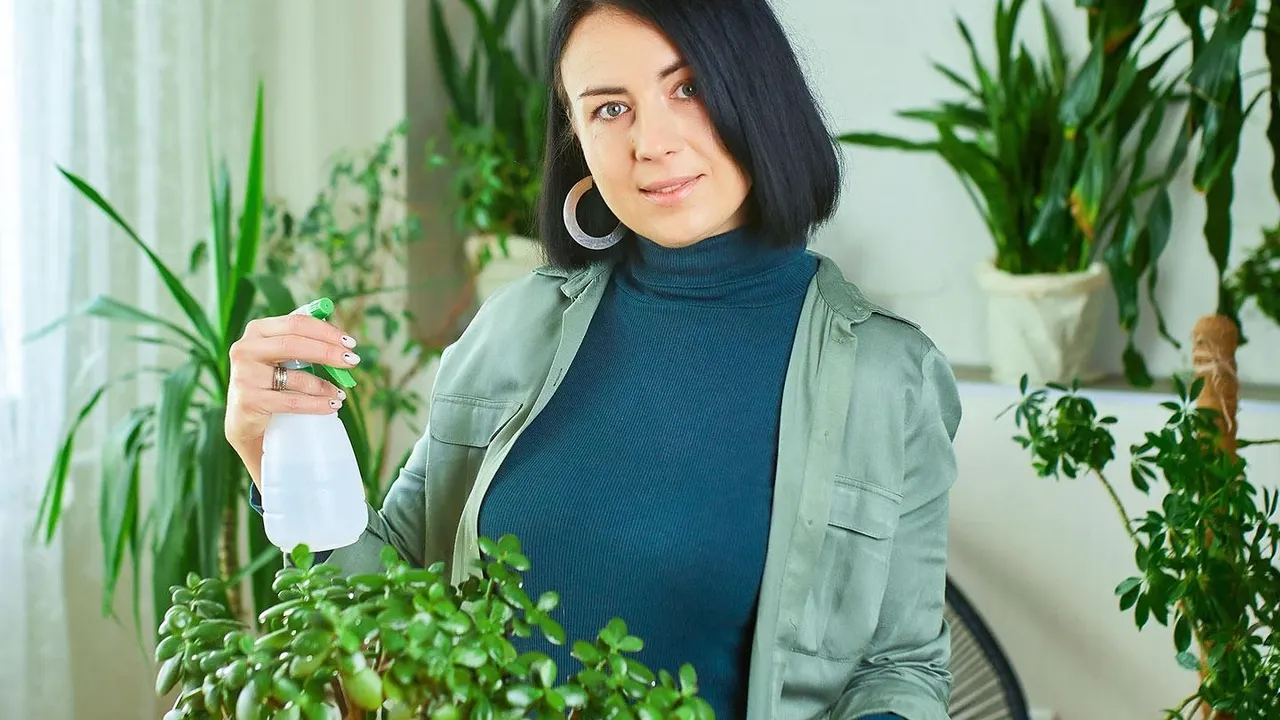
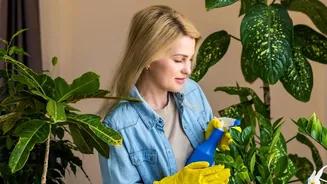
Before settling the plant into its quarantine spot, give it a gentle clean. You can rinse the foliage with lukewarm water to wash off any dust or potential hitchhikers. For an extra layer of protection, consider a preventative treatment. A spray of diluted insecticidal soap or neem oil solution is a popular choice for many plant parents. These products can help manage any pests you may have missed. Always spray the entire plant, including the undersides of leaves and the top of the soil. If you're using a new product, it's always a good idea to test it on a small leaf first to ensure the plant doesn't have a negative reaction.
5. Wait and Watch Patiently
Quarantine is a waiting game. The recommended period is between two to six weeks. A minimum of two weeks may catch pests with shorter life cycles, like spider mites, but a four-to-six-week period is much safer. This longer duration accounts for the full life cycles of slower-developing pests like mealybugs and allows time for any dormant eggs to hatch. During this time, inspect the plant thoroughly at least once a week for any new signs of pests or disease. Continue your normal care routine regarding light and water. If you spot any issues during this time, you can treat the plant in isolation without risking your entire collection.