





Your Phone is a Pocket Planetarium
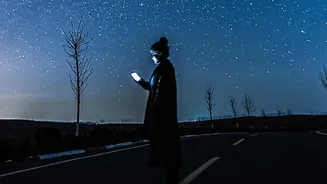
Modern smartphones are powerful enough to act as a dynamic map of the cosmos. Free stargazing apps use your phone's GPS and internal compass to know exactly where you are and which direction you're pointing. When you hold your phone up to the sky, the app shows
you a real-time, labelled map of the stars, planets, and constellations you're looking at. This technology, often called augmented reality (AR), overlays information on your screen, making it incredibly simple to identify celestial objects without any prior knowledge. Many of these apps are designed specifically for beginners, with user-friendly interfaces that turn a potentially confusing sky into an interactive guide.
Top Free Apps for Your Cosmic Quest
With many options available, choosing the right app can feel daunting. For beginners, the best apps are free, easy to use, and packed with helpful features. Here are a few top-rated choices available for both iOS and Android: Star Walk 2: Often praised as a great option for beginners, this app features a beautiful interface and an augmented reality view that helps you explore over 200,000 celestial bodies in real time. SkyView Lite: Known for its intuitive 'point-and-identify' functionality, SkyView Lite uses your camera to overlay information about stars, constellations, and satellites directly onto your view of the sky. * Stellarium Mobile Free: A mobile version of the popular desktop planetarium software, Stellarium offers a realistic and detailed star map that's great for learning the sky. While some advanced features require a subscription, the free version is more than enough to get you started.
Finding the Gas Giants: Jupiter & Saturn
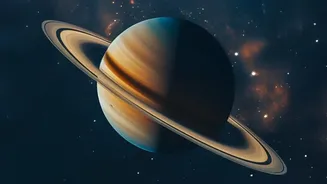
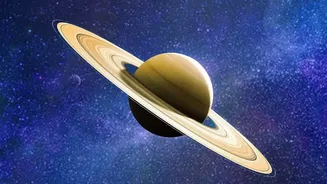
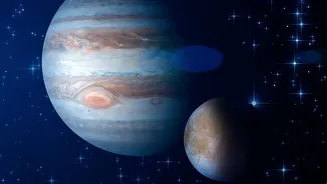
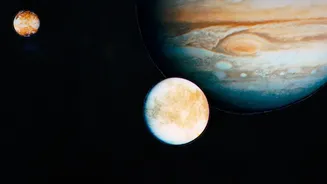
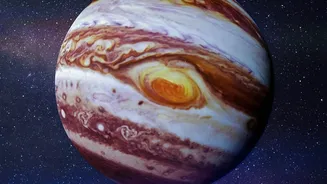
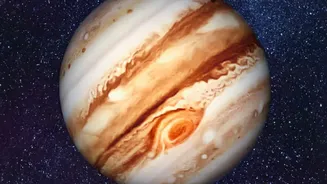
Planets are some of the most rewarding objects for beginners to spot. In late August 2026, your success in finding Jupiter and Saturn will depend on the time of night. Saturn is well-positioned for evening viewing throughout the month, rising a little earlier each night. To find it, open your chosen app, use its search function to select Saturn, and an arrow will guide you to its location in the sky. Look for a bright, steady point of light. Jupiter, on the other hand, is a pre-dawn target during this period, rising in the east shortly before the sun. This makes it more challenging to see against the morning twilight. For the best experience, use your app to check the exact rise times for your location and find a spot with a clear eastern horizon.
Catch a Fly-By: The ISS
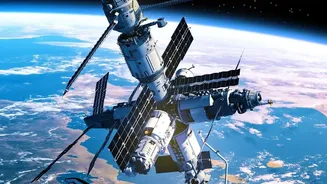
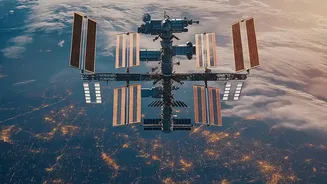
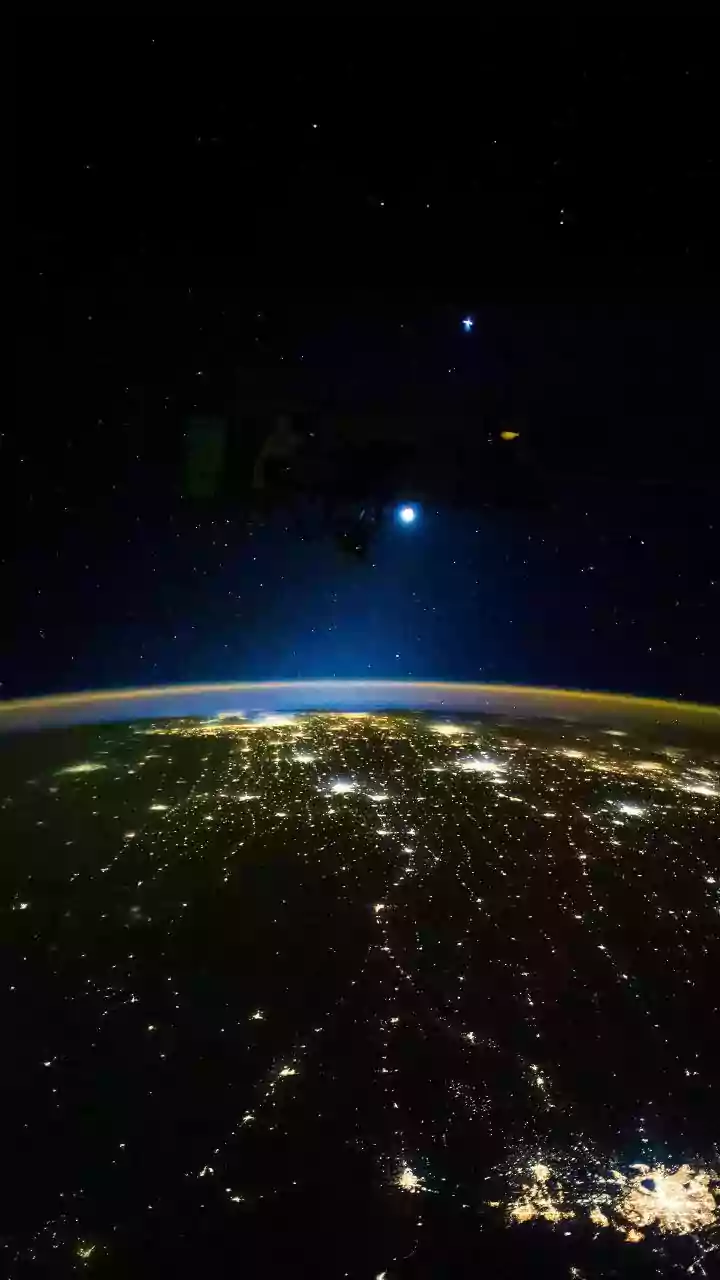
One of the most exciting sights is the International Space Station (ISS) gliding silently across the sky. It looks like a very bright, fast-moving star with no blinking lights. Unlike planets, the ISS is only visible for a few minutes at a time during specific passes over your location. This is where dedicated satellite-tracking apps, or the satellite tracking feature within apps like Star Walk 2, become essential. The official NASA 'Spot The Station' app is a fantastic free tool that provides precise viewing times and alerts for your exact location. Simply set up notifications, and the app will tell you when to go outside and where to look. The ISS Detector app is another excellent choice that is very easy to interpret.
Tips for the Best Viewing Experience
To make the most of your stargazing session, a few simple preparations go a long way. First, get away from city lights if you can. Light pollution washes out fainter stars and makes it harder to see details. Even moving to a local park or a darker suburban street can make a big difference. Second, give your eyes time to adapt to the dark; it takes about 20-30 minutes for them to become fully sensitive to low light. Many apps have a 'red light mode' which helps preserve your night vision. Finally, check the weather forecast and the Moon phase. A clear, cloudless sky is obvious, but a bright full Moon can also make it harder to see dimmer objects, similar to city lights. Aim for nights around the new moon for the darkest skies.