



The High Cost of Instant Flavour
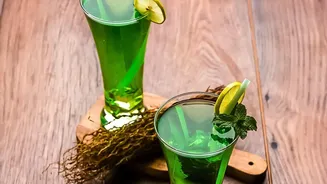
Walk down any supermarket aisle, and you’ll find them: brightly coloured bottles of iced tea and tea-flavoured syrups promising instant refreshment. While convenient, these products often come with a hidden price. Many are loaded with high-fructose corn
syrup, artificial flavours, and chemical preservatives. These synthetic syrups are engineered for consistency and long shelf life, but they deliver a shallow, one-dimensional sweetness that lacks the complexity of real tea. The ingredient list often reveals more about a chemistry lab than a tea garden, with terms like "nature-identical flavours" and various numbered dyes. This reliance on artificial components means you’re often consuming a sugary beverage with little to no of the actual health benefits associated with tea, such as antioxidants.
The Gentle Art of Slow Steeping
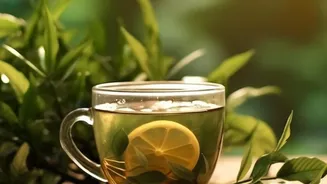
In stark contrast to the instant-syrup model is the age-old method of cold brewing, or slow steeping. Instead of shocking tea leaves with hot water, this process involves infusing them in cold water over several hours, typically between six and twelve. This gentle extraction method fundamentally changes the tea's chemical profile. Heat releases tannins, compounds that can make tea taste bitter or astringent. Cold water, however, extracts fewer tannins, resulting in a beverage that is remarkably smooth, naturally sweeter, and less acidic. Many drinkers find that cold brewing unlocks subtle and delicate flavour notes they never noticed in their favourite hot teas. Furthermore, the process yields a drink with less caffeine, making it a calming and hydrating option throughout the day.
Rediscovering India's Botanical Bounty
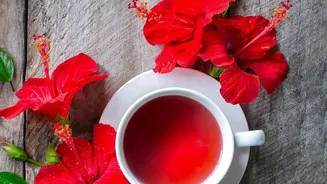
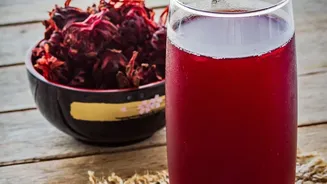
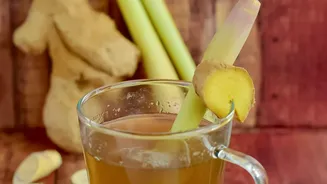
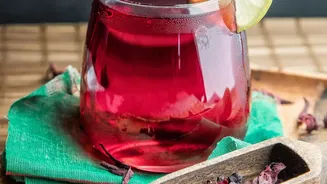
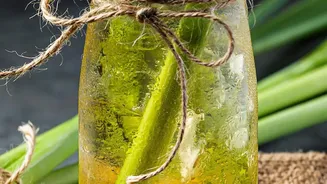
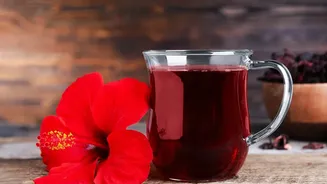
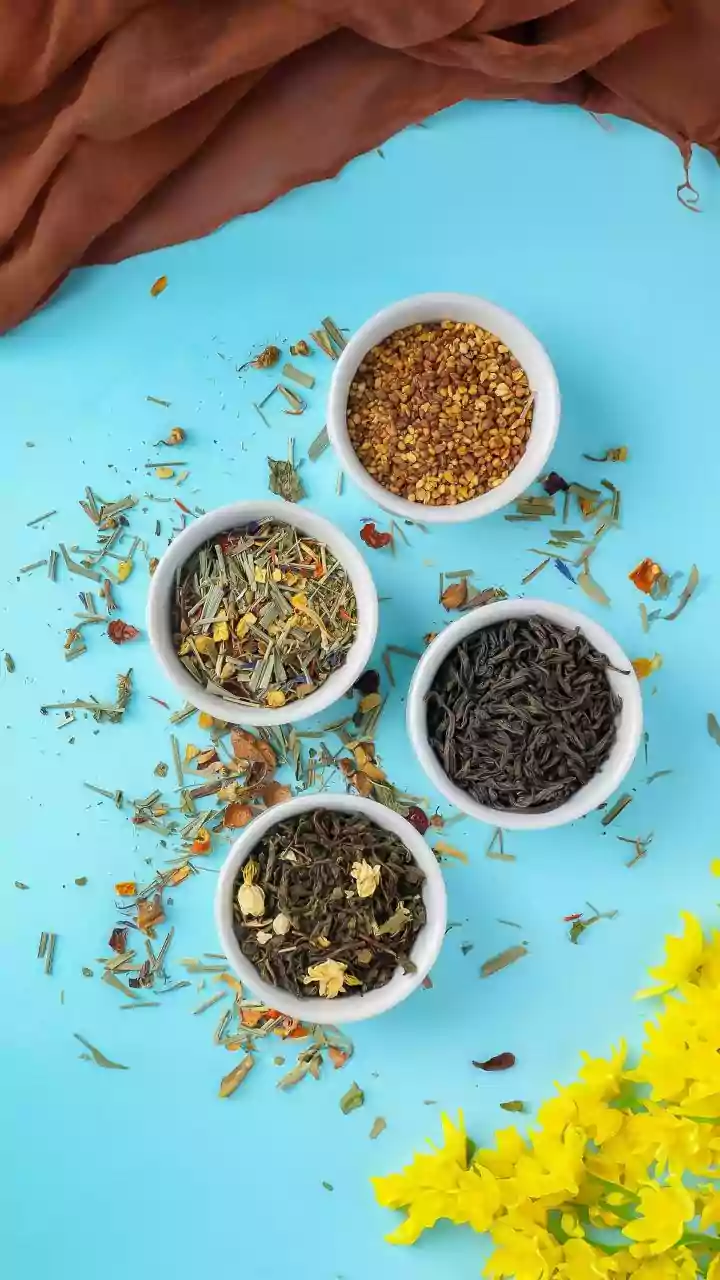
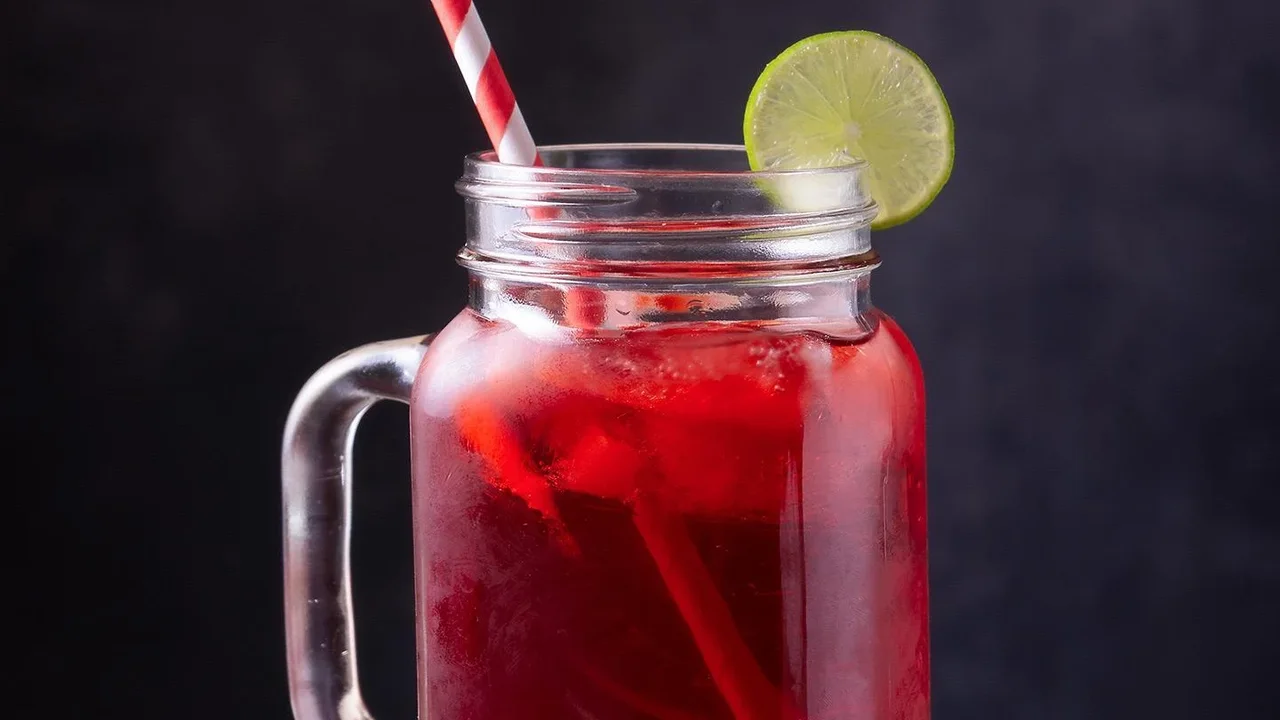
What truly elevates these modern cold brews is the celebration of India’s rich botanical heritage. Beyond traditional tea leaves, brewers are incorporating a wealth of indigenous herbs and flowers, many revered for centuries in Ayurvedic traditions. Herbs like Tulsi (Holy Basil), known for its stress-relieving properties, are finding new life in cold infusions. Other local treasures like rhododendron (buransh), hibiscus, lemongrass, and paan leaves are being used to create unique, layered flavours that tell a story of their origin. These botanicals not only add complex aromas and tastes but also bring their own wellness benefits, from digestive support to immune-boosting properties. This trend marks a return to roots, celebrating local ecosystems and traditional knowledge in a contemporary format.
A Clearer Choice for Health
When placed side-by-side, the choice becomes clear. Artificial syrups offer empty calories and a cocktail of synthetic chemicals. In contrast, slow-steeped botanical teas are naturally sugar-free and rich in beneficial compounds. Research suggests that cold brewing can preserve higher levels of certain antioxidants and vitamins compared to hot brewing. The amino acid L-theanine, known for promoting a sense of calm focus, is also well-preserved in cold-steeped tea. For those managing sugar intake, seeking better hydration, or simply wanting a clean-label beverage, cold brew tea made with real ingredients is an undeniably superior choice. It hydrates effectively and supports wellness without the negative impacts of processed sugars and artificial additives.