







The Thread That Grows
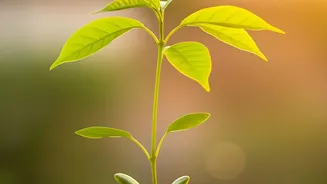
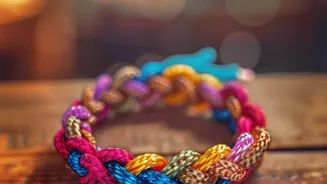
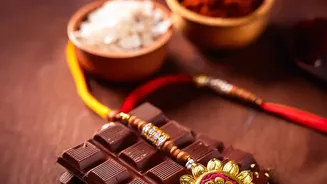
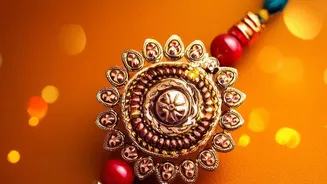
At the heart of this green transformation is the seed rakhi. Unlike traditional rakhis that contribute to landfill waste, these are ingeniously designed to have a second life. Crafted from biodegradable materials like handmade paper, clay, or natural
cotton threads, they contain seeds of flowers, herbs, or vegetables. After the festival, instead of being discarded, the rakhi can be planted in soil. As the thread composts, the seeds germinate, turning a symbol of a sibling's bond into a living plant. This simple yet profound concept has captured the imagination of a new generation that seeks purpose in their traditions. It transforms the gesture into a lasting memory that continues to grow long after the day is over.
More Than Just a Rakhi
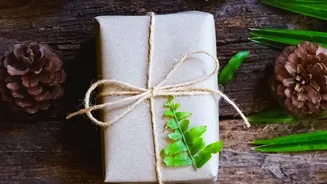
The trend extends far beyond the sacred thread. The entire ecosystem of Raksha Bandhan gifting is getting a sustainable makeover. Consumers are increasingly seeking out handcrafted items that tell a story. Think gift hampers featuring reusable items like bamboo baskets, jute bags, and cloth pouches instead of plastic wrap. Popular sustainable gifts include reclaimed wood decor, brass accessories, khadi textiles, and terracotta planters. Even consumables are shifting towards organic teas, handmade chocolates, and vegan treats. This movement is driven by a desire for gifts that are not only beautiful but also thoughtful and ethical, reducing the festival's carbon footprint one gift at a time.
Empowering the Hands That Create
This shift towards sustainability has a significant social impact, directly benefiting India's vast community of artisans. Many eco-friendly rakhis and handicrafts are created by local artisans, women's self-help groups (SHGs), and small rural enterprises. Initiatives across the country, such as the Bihan scheme in Chhattisgarh, are empowering women to produce and sell seed rakhis, providing them with a sustainable livelihood. When consumers choose a handcrafted product, they are not just buying an item; they are supporting fair wages, preserving traditional skills, and investing in local economies. This makes the celebration more meaningful by connecting the festive spirit to the welfare of artisan communities.
The Rise of the Conscious Consumer
The demand for sustainable options is not a top-down phenomenon; it is being driven by a fundamental change in consumer behavior, especially among younger Indians. Millennials and Gen Z are increasingly making purchasing decisions that align with their environmental and ethical values. They are actively seeking gifts with purpose and are willing to research brands that offer transparency and sustainability. This conscious consumerism has fueled the growth of numerous small, online-first brands and eco-conscious startups that specialize in green gifting. The narrative has shifted from mere consumption to mindful celebration, where the story and impact behind a product are just as important as the product itself.
A Market in Beautiful Transition
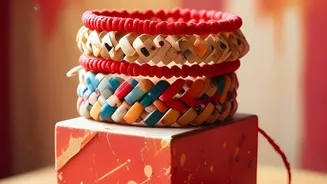
This growing preference for sustainability is visibly reshaping the Raksha Bandhan market. While large retailers and traditional sweet shops remain popular, a vibrant parallel market has emerged. Small, independent labels and artisan collectives are leveraging online platforms to reach a nationwide audience, offering unique, handcrafted alternatives to mass-produced goods. From intricately designed terracotta rakhis to plantable lumba sets and curated boxes of organic goods, the variety is immense. This trend is a powerful reminder that festivals can evolve, blending age-old traditions with modern values to create celebrations that are not only joyous but also gentle on the planet.