

A Nutritional Powerhouse in Disguise
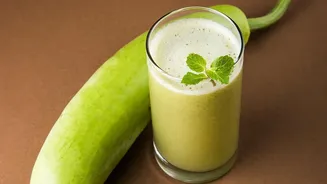
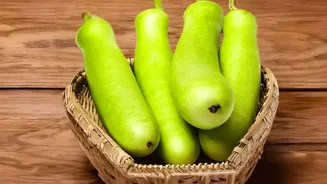
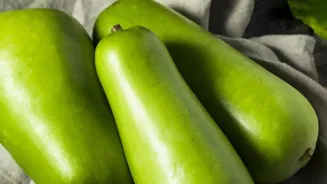
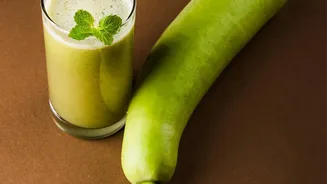
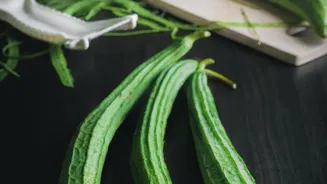
In many Indian kitchens, the peel of the humble lauki, or bottle gourd, is often discarded without a second thought. However, this green outer layer is surprisingly nutritious. The peel is a rich source of dietary fibre, which is excellent for digestion
and can help prevent constipation. It also contains essential vitamins and minerals, including vitamin C, potassium, calcium, and iron. Furthermore, the peel is packed with antioxidants like polyphenols and flavonoids, which help combat oxidative stress and inflammation in the body. By using the peel, you not only reduce kitchen waste but also add a healthy, nutrient-dense component to your meals.
The Crucial First Step: Cleaning and Preparation
Properly cleaning the bottle gourd is the most important step to ensure the peels are safe and tasty to eat. Start with a fresh, tender bottle gourd. Avoid any that are over-matured or show signs of spoilage. Wash the entire vegetable thoroughly under cold running water. Use a vegetable brush to gently scrub the surface, removing any dirt or potential pesticide residues. Once clean, pat it dry. Instead of a traditional peeler which takes off a very thin layer, you can use a knife to peel the skin. This allows you to keep a bit of the flesh attached to the peel, which adds better texture and volume to the final dish. After peeling, chop the peels into smaller, more manageable pieces for the next stage.
An Important Safety Warning
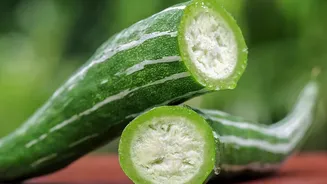
Before you proceed with any recipe, it is vital to check the bottle gourd for bitterness. Some bottle gourds can contain high levels of toxic compounds called cucurbitacins, which give them a bitter taste. Ingesting even a small amount of bitter bottle gourd, whether raw or cooked, can lead to severe symptoms like vomiting, stomach pain, diarrhoea, and in serious cases, gastrointestinal bleeding. Always taste a tiny piece of the raw bottle gourd flesh before you cook with it or its peels. If it tastes bitter, discard the entire vegetable immediately. This simple check is a non-negotiable step for your safety.
Recipe: From Peel to Perfect Kebab
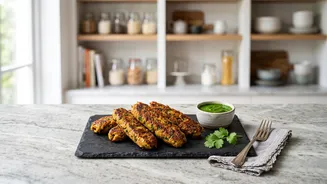
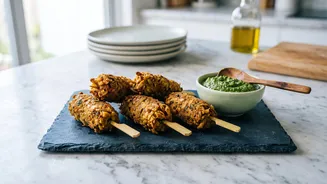
This simple recipe turns your cleaned peels into delectable kebabs. You will need about two cups of cleaned lauki peels, one cup of besan (gram flour), one finely chopped onion, green chillies to taste, and a handful of fresh coriander. For spices, you'll need salt, red chilli powder, garam masala, and cumin powder. First, you may want to lightly boil or steam the peels for a few minutes to soften them, then squeeze out any excess water. In a mixing bowl, combine the softened peels, besan, chopped onion, chillies, coriander, and all the powdered spices. Mix everything thoroughly until it forms a firm, cohesive mixture. If the mixture feels too wet, you can add a little more besan for better binding. Let the mixture rest for about 10 minutes.
Shaping and Frying Your Kebabs
Once your mixture is ready, it's time to shape the kebabs. Lightly grease your palms with a little oil and take small portions of the mixture. Roll them into balls and then flatten them slightly to create small, round patties or tikkis. Heat a non-stick pan or tawa over medium heat and add a teaspoon or two of oil for shallow frying. Carefully place the kebabs on the hot pan, leaving some space between them. Fry them on a medium-low flame, allowing them to cook until they are golden brown and crisp on one side before flipping. Be gentle when turning them to prevent them from breaking. Cook the other side until it’s equally crisp. The key is to cook them on a lower heat to ensure they are cooked through on the inside and perfectly crispy on the outside.