



From Ancient Tradition to Viral Trend
The use of rice water for hair is rooted in history. It's most famously associated with the Yao women of Huangluo village in China, who hold a world record for the average length of their hair—often exceeding six feet. They have traditionally washed their hair in fermented
rice water, crediting the practice for their hair's strength and retained color. Similarly, court ladies in Japan's Heian Period (794 to 1185) were said to use the starchy water left from washing rice to maintain their floor-length hair. Today, this age-old practice has found new life on social media platforms, where the hashtag #ricewater has amassed billions of views, with users sharing their own impressive before-and-after results.
The Claims: What Does Rice Water Promise?
Wellness creators and users claim a host of benefits from regular rice water rinses. The primary promise is enhanced hair growth and reduced hair fall. Many also report that it makes hair significantly shinier, smoother, and easier to detangle. Other purported benefits include increased elasticity, added volume, and better-defined curls. Fermented rice water, which has a lower pH, is said to be particularly effective at closing the hair cuticle, resulting in less frizz and more reflection of light. The overall narrative is that this simple, inexpensive home remedy can lead to stronger, healthier, and longer hair, rivaling the effects of expensive commercial products.
The Science: Fact vs. Fiction
While anecdotal evidence is plentiful, the scientific backing for many of the grander claims, like accelerated hair growth, is limited. Dermatologists confirm that rice water is rich in nutrients, including amino acids, B vitamins, vitamin E, and minerals. The key ingredient often cited is inositol, a carbohydrate that studies suggest can penetrate damaged hair and remain within the strand, offering a protective effect and reducing surface friction. This can make hair feel smoother and less prone to breakage, which in turn helps with length retention. The starch in rice water can also coat the hair shaft, temporarily making it feel thicker and fuller. However, there are no large-scale clinical trials that prove rice water directly stimulates new hair growth from the follicle.
How to Make Your Own Rice Water
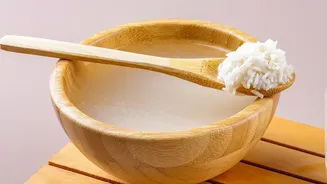
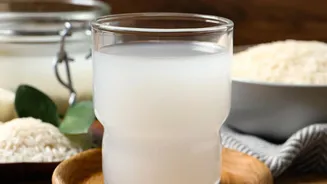
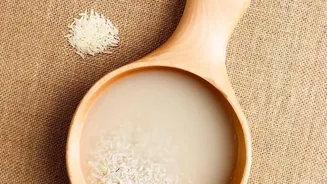
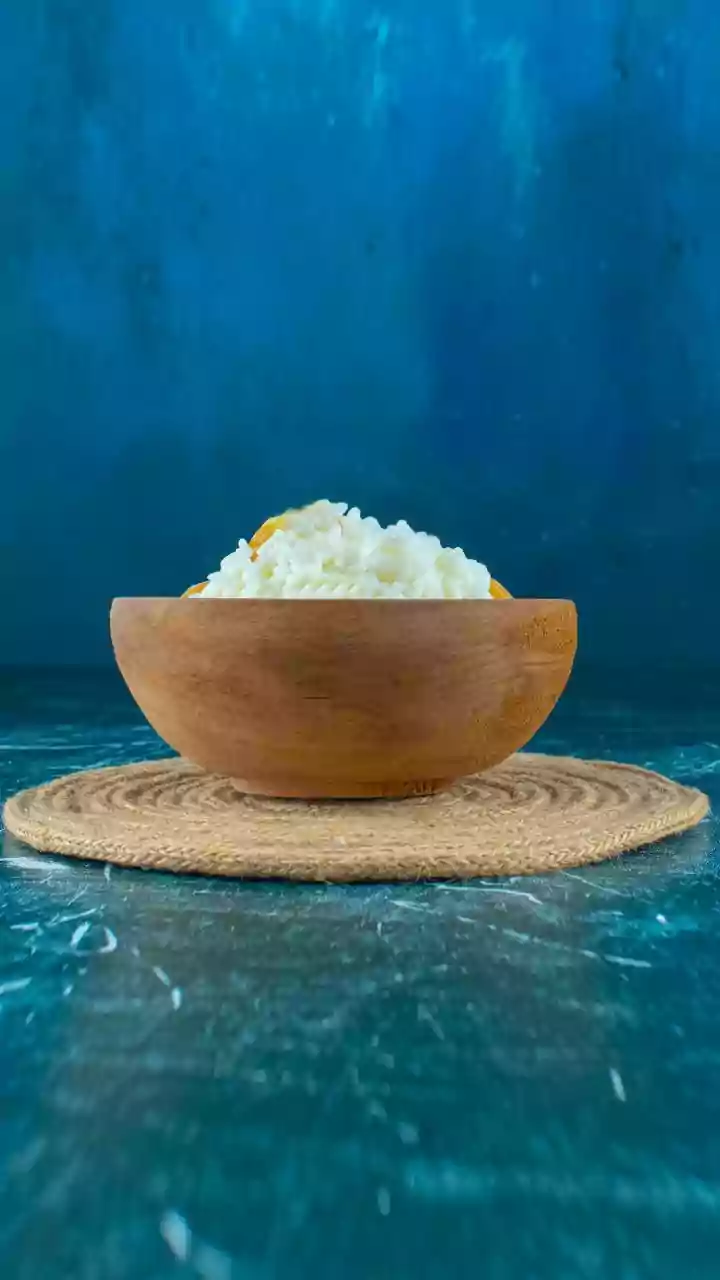
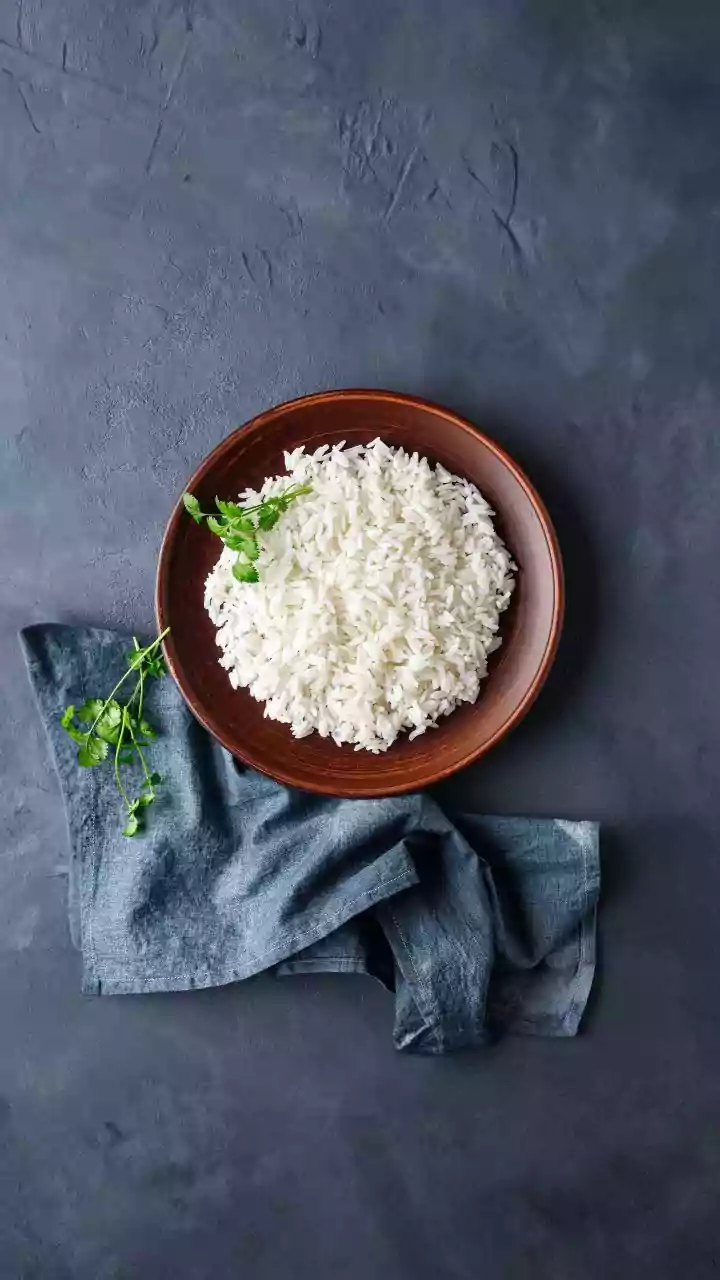
Making a rice water rinse at home is simple and cost-effective. There are two popular methods. The first is the quick-soak method: rinse half a cup of uncooked rice, then add two to three cups of water and let it soak for 30 minutes to an hour, until the water becomes cloudy. Strain the rice and reserve the water. The second method is fermentation. After soaking the rice as above, let the strained water sit at room temperature for 12 to 24 hours. Fermentation lowers the pH of the water and may increase its concentration of antioxidants. Be careful not to let it sit for more than 24 hours, as it can spoil. The prepared rice water should be stored in the refrigerator and used within a week.
A Practical Guide to Using It Safely
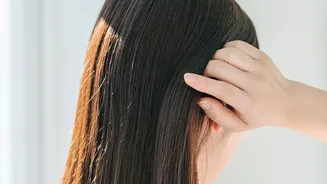
For best results, use rice water as a rinse after shampooing and conditioning. Pour the liquid over your hair, making sure to saturate the strands and massage it into your scalp. Let it sit for up to 20 minutes before rinsing thoroughly with lukewarm water. While generally safe, there are potential downsides. For individuals with very dry or low-porosity hair, the proteins in rice water can build up, causing stiffness and even more dryness—a condition known as protein overload. Overuse can also lead to residue on the scalp. It's best to start by using a rice water rinse once a week and see how your hair responds. If your hair feels brittle or straw-like, reduce the frequency or stop using it.