






What Exactly Is a Micro-Walk?
Forget everything you think you know about a 'proper' walk. A micro-walk isn't about distance, speed, or hitting a specific step count. It is simply a short, intentional burst of walking, typically lasting anywhere from two to 15 minutes. The goal is not
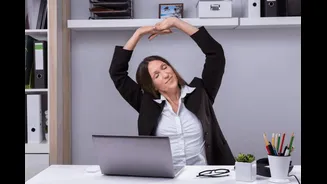
endurance but interruption. It’s about breaking up long periods of sitting—whether you’re at your office desk, on the sofa binge-watching, or stuck in a long meeting. Think of it less as exercise and more as a physical punctuation mark in your day. It’s the walk to the water cooler and back, a quick loop around your building between tasks, or a stroll down the corridor while you take a phone call.
The Surprising Science of Small Steps
The magic of the micro-walk lies in its ability to counteract the negative effects of a sedentary lifestyle. When we sit for extended periods, our metabolism slows, and our body’s ability to regulate blood sugar levels is impaired. Research has shown that even a few minutes of light-intensity walking after a meal can significantly lower blood sugar spikes, which is crucial for preventing long-term metabolic issues. A study published in the journal *Sports Medicine* found that just two to five minutes of walking after eating can have a noticeable impact. These short bursts of movement also improve blood circulation, preventing the sluggish, heavy feeling that often sets in after hours of sitting. It’s a powerful reminder that our bodies are designed to move, and they reward even the smallest efforts.
More Than Just a Physical Boost
The benefits of micro-walks extend far beyond the physical. They are a potent tool for mental clarity and emotional regulation. Feeling stuck on a problem at work? A five-minute walk can stimulate creative thinking by changing your environment and boosting blood flow to the brain. Studies on 'active workstations' have linked walking with improved creative output. Feeling stressed or anxious? The simple act of moving your body, even for a few minutes, releases endorphins and can help break the cycle of stressful thoughts. It provides a mental reset, allowing you to return to your tasks with a clearer, calmer mind. This is why a quick walk is often more productive than staring at a screen, hoping for inspiration to strike.
How to Weave Micro-Walks into Your Day
The key to success is to attach micro-walks to existing habits. Don’t just add another item to your to-do list; link it to something you already do.
* **The Post-Meal Stroll:** After breakfast, lunch, or dinner, take a 10-minute walk. Even a stroll around your apartment complex or office floor makes a difference. * **The Hydration Lap:** Every time you get up to get water or a cup of chai, take the long route. Do a full lap of your office or home before returning to your seat. * **The Meeting Replacement:** If a phone call doesn't require you to be at your screen, take it while walking. Pace your room, use your balcony, or walk in a quiet outdoor space. * **The 'Pomodoro' Break:** Use the Pomodoro Technique (25 minutes of work, 5 minutes of break). Use that 5-minute break for a dedicated micro-walk instead of scrolling through your phone. * **The Commute Extender:** If you use public transport, get off one stop early. If you drive, park a little further away. These small tweaks add movement without requiring extra time.
Overcoming Common Hurdles
It’s easy to find excuses. 'It's too hot outside.' 'My office is too small.' 'People will think I’m slacking.' Here’s how to reframe those thoughts. If the weather is bad, walk indoors. Malls, large office buildings, and even your own apartment building’s staircase are excellent options. A few trips up and down the stairs is a fantastic, high-intensity micro-workout. If you feel self-conscious at work, remember that you’re investing in your productivity. You’ll likely return to your desk more focused than the colleague who spent their break scrolling social media. Start small and prove the benefits to yourself. The positive change in your energy and focus will be all the justification you need.