




The City as a Giant Heat Battery
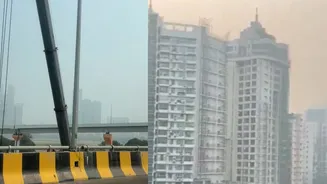
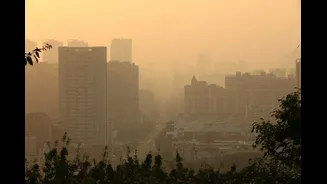
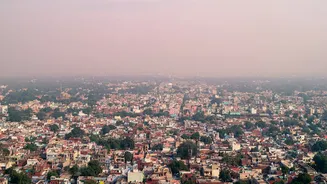
At the heart of this issue is a phenomenon known as the 'Urban Heat Island' (UHI) effect. Cities experience significantly warmer temperatures than surrounding rural areas. The reason lies in the materials we use to build them. Concrete, asphalt, and steel
are excellent at absorbing and storing solar radiation. During the day, roads, pavements, and buildings act like giant thermal batteries, soaking up the sun's energy. Unlike a natural landscape with soil and vegetation, which releases heat quickly after sunset, these dense urban materials have a slow-release mechanism. They spend the entire night radiating the stored heat back into the air, preventing the city from cooling down. This effect means that even hours after sunset, urban centres can be several degrees warmer than nearby less-developed regions.
How Buildings Reshape the Wind
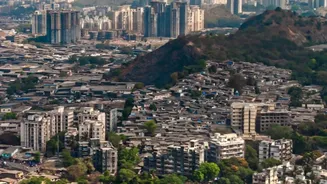
Heat isn't the only factor; the physical structure of a city also fundamentally alters wind patterns. In open, natural landscapes, wind flows with relative freedom. But in a city, buildings act as massive obstacles. Tall structures block and redirect airflow, creating a complex aerodynamic environment. The space between buildings can form 'street canyons', which either funnel and accelerate wind if aligned with its direction, or create pockets of stagnant, turbulent air if perpendicular to it. This reduced airflow is crucial. Natural wind circulation is a key mechanism for dissipating the heat that builds up during the day. When winds are slowed or blocked by dense construction, the hot air lingers, compounding the UHI effect and leaving urban residents in a bubble of trapped warmth.
The Nighttime Connection to Sleeplessness
The combination of trapped heat and still air has a direct and detrimental impact on our ability to sleep. Our bodies are programmed to cool down as part of the process of falling asleep. A natural drop in core body temperature is a critical signal that it’s time to rest. However, when your sleeping environment remains too warm, this essential cooling process is disrupted. The UHI effect ensures that nighttime ambient temperatures in cities stay elevated, making it harder for our bodies to shed heat. This can lead to difficulty falling asleep, increased restlessness, and fragmented sleep that leaves you feeling unrested the next day. Essentially, the thermal properties of the city itself are working against your body's natural sleep cycle.
A Growing Public Health Concern
Losing a few hours of sleep might seem like a minor inconvenience, but the cumulative effect is a significant public health issue. Chronic poor sleep is linked to a host of problems, including cardiovascular stress and weakened immune function. Studies have shown that during heatwaves, people living in buildings without adequate cooling suffer measurable declines in cognitive functions like attention and memory. The World Health Organisation recognises overheating in bedrooms as a serious consequence of rising global temperatures. Vulnerable populations, including the elderly, young children, and those with pre-existing health conditions, are at the highest risk. As urban areas continue to expand, the link between city design and sleep quality becomes an increasingly urgent concern for planners and residents alike.
Designing for Cooler Nights
The good news is that the same design choices that create the problem can also provide the solution. Urban planners and architects have powerful tools to mitigate the UHI effect. Strategies like increasing green spaces, planting more trees for shade, and installing 'cool roofs' with reflective, light-coloured materials can significantly lower surface and air temperatures. Simple changes, such as using more permeable materials for pavements that allow for evaporation, can also contribute to a cooling effect. By making conscious choices about building materials, urban geometry, and green infrastructure, cities can be designed not just for efficiency, but for the health and well-being of the people who call them home.