


The Fury of the Sea
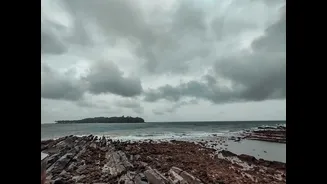
The most immediate danger during the monsoon is the dramatic change in sea conditions. Strong, gusty winds can whip up powerful waves and create rough, unpredictable seas. Wind speeds can reach 70-80 kmph, making it extremely difficult for any vessel,
especially smaller boats, to maintain control. These conditions can lead to boats capsizing or being overwhelmed by water. For fishermen in small, traditional crafts, and even for larger mechanised trawlers, these turbulent waters pose a life-threatening risk. The combination of high winds and strong currents makes navigation treacherous and dramatically increases the chance of accidents.
A Perilous Profession for Fishermen
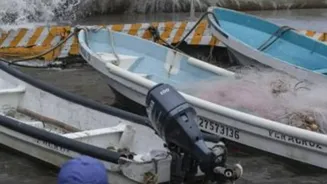
For India's coastal fishing communities, the monsoon is a time of immense challenge. While fishing provides essential income, venturing out during this season is a high-stakes gamble. The risk of engine failure, damage to boats and equipment, and being stranded at sea rises significantly. In response, authorities like the Indian Coast Guard and the Indian Meteorological Department (IMD) issue regular warnings, often advising fishermen not to venture into the sea at all during periods of intense weather. Annual fishing bans are also implemented during the peak monsoon, partly to ensure the safety of fishermen from the hazardous conditions. Despite these warnings, economic pressures can lead some to take risks, highlighting the difficult balance between livelihood and safety.
Hazards for Marine Commuters
It is not just fishermen who are at risk. In many coastal and riverine areas, ferries and water taxis are a common mode of transport for local communities. The monsoon season elevates the danger for these commuters. Overcrowding on ferries, a common issue, becomes even more dangerous when combined with severe weather. Sudden storms can cause ferries to capsizing, leading to catastrophic loss of life, as has been seen in past tragedies. Reduced visibility from heavy rain further complicates navigation for these passenger vessels, increasing the risk of collisions with other boats or structures. Authorities often suspend ferry services during severe weather alerts, but adherence to safety regulations, such as the availability and use of life jackets, remains a critical concern.
The Unseen Danger of Low Visibility
Heavy monsoon downpours create a curtain of grey, drastically reducing visibility at sea. This is a significant hazard for all marine traffic. When visibility is low, the risk of collision skyrockets. Boats may not see each other, navigational markers, or coastal structures until it is too late. For larger vessels in busy shipping lanes, as well as smaller fishing boats and ferries, this blindness increases the danger exponentially. Port authorities often enforce stricter protocols during monsoon, such as ensuring all vessels have their navigation lights on and maintain a constant radio watch, but the fundamental risk posed by being unable to see remains.
Staying Safe: Heeding Warnings and Technology
Authorities employ a multi-pronged approach to mitigate these dangers. The IMD provides crucial weather forecasts, often using a colour-coded alert system to indicate the severity of expected conditions. These warnings are disseminated through various channels, including radio, bulk SMS, and mobile apps. For fishermen, carrying safety equipment like life jackets, Distress Alert Transmission Systems (DATS), and VHF communication sets is mandated. However, the effectiveness of these systems relies on individuals heeding the advice. Some fishermen use their own technology, like mobile apps and wireless sets, to get more localised forecasts and communicate while at sea. Ultimately, the key to safety is preparedness and a cautious respect for the monsoon's power.