




The 'Why' Behind Water-Wise Gardening
Across India, a quiet revolution is taking root in our gardens. The shift towards low-water gardening is a response to increasing water scarcity and a collective desire for more sustainable living. But it is also driven by a practical desire for gardens that
are less work and more joy. A water-wise garden consumes fewer resources, requires less maintenance, and is often more resilient in the face of a changing climate. It's about working with nature, not against it, to create a lush landscape that is both beautiful and responsible. By rethinking our plant choices, we can significantly reduce our household's water consumption while creating a haven for local biodiversity. This approach moves beyond simply not watering; it involves intelligent design and deliberate plant selection.
The Core Principle: Gardening by Zone
The single most effective strategy in low-water landscaping is a concept called 'hydrozoning'. Put simply, hydrozoning is the practice of grouping plants together based on their similar water needs. Instead of giving every plant in your garden the same amount of water, you create distinct zones. For example, thirsty vegetables and annual flowers would be in one high-water zone, while drought-tolerant succulents and native grasses would be in another. This allows you to provide targeted irrigation, delivering water only where it's truly needed. This method is not only highly efficient, leading to significant water savings and lower bills, but it also creates healthier plants, as it prevents the chronic over- or under-watering that can cause stress and disease.
Zone 1: The Very Low-Water Warriors
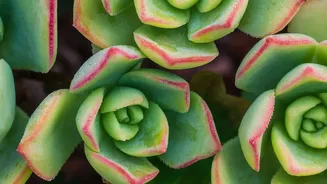
This zone is for the true survivors of the plant world. Once established, these plants need very little supplemental water beyond natural rainfall, perhaps only requiring a deep soaking a few times during the driest months. They are perfect for the farthest, sunniest, and driest corners of your garden. For Indian climates, think of the vibrant Bougainvillea, which thrives on neglect, or the architectural forms of Agave and Yucca. Many succulents and cacti fall into this category. Native grasses are also excellent choices, as they are naturally adapted to the local environment. These plants are the foundation of a truly low-maintenance landscape.
Zone 2: Low-Water, High-Impact Beauties
Plants in this group offer a lush look with minimal watering, typically needing a good soak only once a week or every other week during dry spells. They form the backbone of many water-wise gardens. Excellent choices for Indian gardens include Lantana, with its colourful clusters of flowers that attract butterflies, and the hardy Periwinkle (Sadabahar), which provides year-round blooms. Flowering shrubs like Oleander and Tecoma stans (Yellow Bells) also fit well here. These plants provide colour, texture, and structure without demanding constant attention from the watering can.
Zone 3: The Moderate-Water Showcase
This hydrozone is for plants that need more regular moisture, perhaps twice a week, but are still less thirsty than a traditional lawn. This is often the most visually prominent area of the garden, perhaps near an entrance or patio, where the extra effort is most rewarding. Many popular flowering plants like Hibiscus, Jasmine (Mogra), and Roses can be placed in this zone. By grouping them together, you can meet their needs efficiently without wasting water on the rest of the garden. Many edible plants and vegetables also fall into this category, requiring consistent moisture to produce a good harvest.
Designing Your Water-Wise Oasis
To bring it all together, start by sketching a simple map of your garden. Observe the sunny and shady spots. Place your moderate-water zone in an area that is easy to reach for watering. Use the low and very-low water plants for larger, more remote areas. When planting, amend your soil with compost to improve its water-holding capacity. Finally, apply a thick layer of organic mulch, like wood chips or dried leaves, around your plants. Mulch is a wonder-worker; it helps retain soil moisture, suppresses weeds, and keeps the soil cool, further reducing the need for watering and ensuring your thoughtfully chosen plants thrive.