

The Rise of Conscious Baking
The home baking boom in India has given rise to a more discerning baker. No longer just focused on replicating cafe-style treats, today's home baker is also a conscious consumer. There's a growing movement to create desserts that are not only delicious
but also more wholesome. This has led to a re-evaluation of basic pantry staples, with refined white sugar being the first to face scrutiny. It's increasingly seen as a source of 'empty calories'—sweetness without any nutritional benefit. This shift in mindset is paving the way for traditional, unrefined sweeteners to make a grand comeback.
What is Palm Jaggery, and Why is it Better?
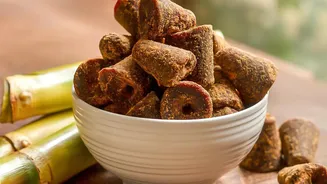
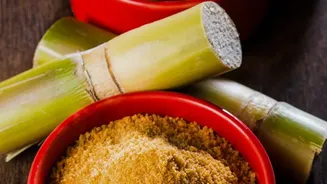
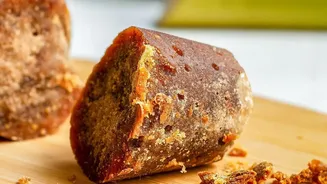
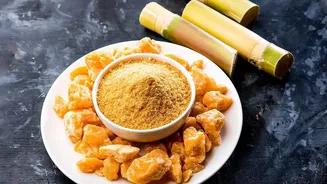
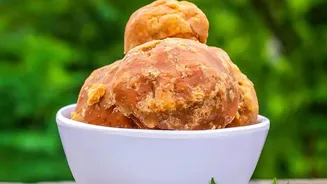
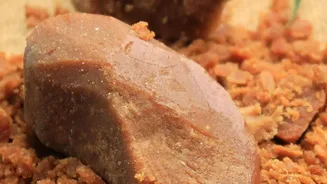
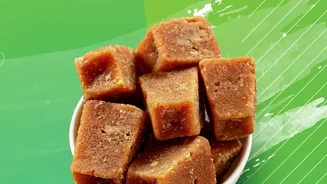
Palm jaggery, known as 'Karupatti' in South India, is a natural, unrefined sweetener made from the sap of palm trees like the Palmyra palm. Unlike white sugar, which is stripped of all nutrients during processing, palm jaggery retains its natural goodness. It's a source of essential minerals like iron, magnesium, and potassium. Palm jaggery also has a lower glycemic index (around 35) compared to white sugar (around 60), meaning it releases sugar into the bloodstream more slowly, avoiding sharp spikes and crashes. This makes it a more favourable option, though it's important to remember that it is still a sugar and should be enjoyed in moderation.
A Symphony of Flavour
The switch to palm jaggery isn't just about health; it's a significant upgrade in flavour. While white sugar provides a flat, one-dimensional sweetness, palm jaggery offers a complex and rich taste profile. It has deep, earthy notes of caramel, toffee, and even a hint of smokiness that can elevate a simple dessert to something extraordinary. This unique flavour profile makes it a perfect partner for ingredients like chocolate, coffee, and spices like cardamom and ginger, adding a layer of warmth and complexity that white sugar simply cannot match.
A Baker's Guide to Palm Jaggery
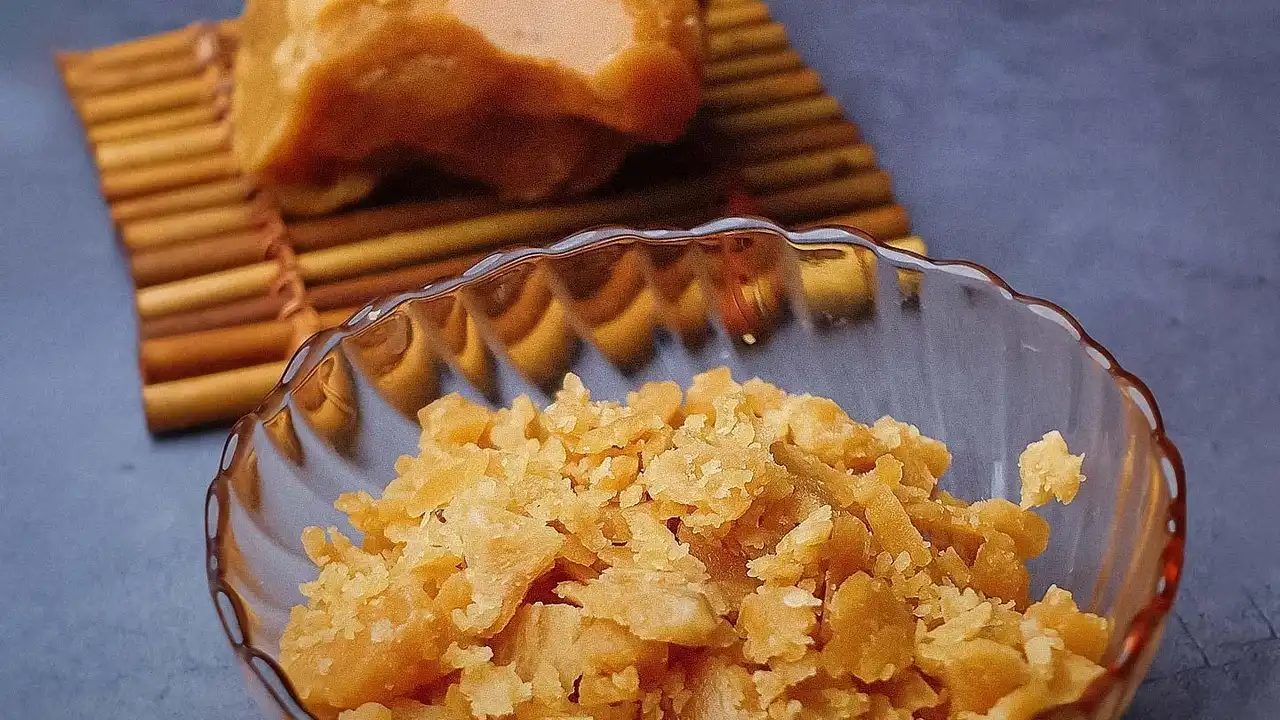
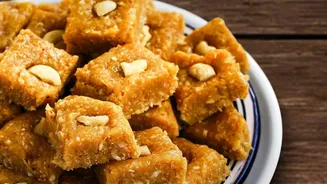
Baking with palm jaggery is a rewarding experience, but it requires a few adjustments. As a rule of thumb, you can replace one cup of sugar with about one and a quarter cups of powdered or grated palm jaggery to achieve a similar level of sweetness. Since jaggery is a natural humectant, it retains more moisture, which results in wonderfully soft and moist cakes, muffins, and brownies. To start, melt the jaggery with a little water to create a syrup, ensuring you strain it to remove any impurities before adding it to your batter. It works exceptionally well in recipes for tea cakes, oat cookies, and traditional Indian sweets like payasam.
A Sweet Return to Indian Roots
This trend is more than just a passing fad; it's part of a larger cultural shift towards embracing traditional Indian food wisdom. For centuries, jaggery was the primary sweetener in the subcontinent, deeply woven into our culinary and even medicinal traditions. By choosing palm jaggery, home bakers are not just making a healthier choice but also reconnecting with their heritage. They are celebrating an ingredient that is pure, flavourful, and intrinsically Indian, proving that the most modern trends are sometimes rooted in the wisdom of the past.