

Pangong Tso, Ladakh: The High-Altitude Marvel
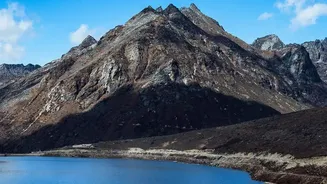
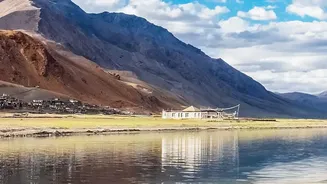
No list of India’s incredible lakes is complete without Pangong Tso. Straddling the border between India and China at an altitude of over 14,000 feet, this saltwater lake is famous for its mesmerizing ability to change colours. Depending on the time of day
and the angle of the sun, its waters shift from azure blue to emerald green and sometimes even grey. The journey to Pangong, typically a 5-6 hour drive from Leh via the formidable Chang La Pass, is an adventure in itself. Despite its saline water, the lake freezes solid in winter, creating a vast, glittering sheet of ice. Its stark, mountainous backdrop and profound silence offer a sense of perspective that is hard to find elsewhere, making it a truly unforgettable destination.
Gurudongmar Lake, Sikkim: The Sacred Himalayan Mirror
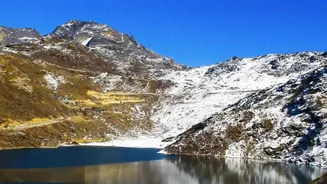
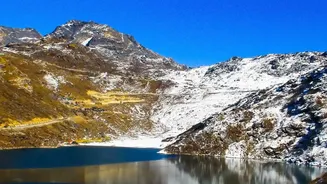
Located at a staggering altitude of nearly 17,800 feet, Gurudongmar Lake in North Sikkim is one of the highest lakes in the world. Considered sacred by Buddhists, Sikhs, and Hindus, it is named after Guru Padmasambhava, the founder of Tibetan Buddhism, who is believed to have visited in the 8th century. The lake is fed by glaciers and is surrounded by snow-capped peaks, creating a breathtaking panorama. A remarkable feature is that a portion of the lake is said to never freeze completely, even in the harshest winters. Legend holds that Guru Padmasambhava touched that part, blessing it with water for the local people year-round. A visit here requires acclimatization and a special permit, but the reward is a spiritual and visual experience of immense power.
Loktak Lake, Manipur: The Floating Paradise
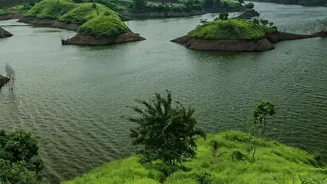
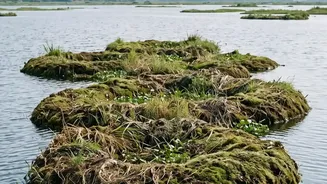
Now we move fully into the Northeast, to a lake unlike any other. Loktak Lake in Manipur is the largest freshwater lake in the region, but its real claim to fame is the 'phumdis'—heterogeneous masses of vegetation, soil, and organic matter that float on its surface. These floating islands are so stable that local fishermen build their homes, or 'phumsangs', on them. The largest of these phumdis, covering 40 square kilometres, constitutes the Keibul Lamjao National Park, the world's only floating national park. This unique park is the last natural refuge of the endangered Sangai, or brow-antlered deer, often called Manipur's 'dancing deer'. A boat ride across Loktak offers a surreal glimpse into a way of life perfectly in sync with nature.
The Living Root Bridges, Meghalaya: Nature’s Engineering
Meghalaya, 'the abode of clouds', is home to one of the most incredible examples of indigenous bio-engineering: the living root bridges. For centuries, the Khasi and Jaintia tribes have guided the aerial roots of the Ficus elastica (rubber fig) tree across rivers and streams, weaving them into sturdy, living bridges that strengthen over time. These structures are a sustainable solution to navigating the region's intensely rainy and rugged terrain. The most famous of these is the double-decker bridge in Nongriat village, near Cherrapunji, which requires a trek of about 3,000 steps to reach. These bridges are not just a means of crossing a river; they are a testament to a deep, symbiotic relationship between humanity and nature.
Tawang Monastery, Arunachal Pradesh: A Spiritual Sanctuary
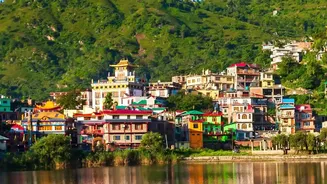
Perched at an altitude of 10,000 feet with commanding views of the Tawang Valley, the Tawang Monastery is a spiritual and architectural marvel. Known as Galden Namgey Lhatse, it is the largest monastery in India and the second-largest in the world, after the Potala Palace in Lhasa. Founded in the 17th century, this vibrant centre of Mahayana Buddhism is home to over 500 monks. Its main prayer hall houses an impressive 18-meter golden statue of the Buddha, and its library preserves ancient and valuable scriptures. The monastery is not just a place of worship but a living institution that preserves the rich cultural heritage of the Monpa people, offering visitors a profound sense of peace and history.
The Hornbill Festival, Nagaland: A Cultural Spectacle
To truly understand the soul of Northeast India, one must experience its festivals. The Hornbill Festival, held annually from December 1st to 10th in Nagaland, is called the 'Festival of Festivals'. It brings together all the major tribes of Nagaland at the Kisama Heritage Village near Kohima to celebrate their rich and diverse cultures. The festival is a vibrant explosion of traditional music, dances, indigenous games, and warrior folklore. Visitors can witness ancient ceremonies, admire intricate tribal costumes, and sample a wide array of local foods. Named after the revered hornbill bird, which features prominently in Naga folklore, the festival is a unique opportunity to witness the living history and proud traditions of the Naga people in one place.