




More Than Just a Meal
Not long ago, the primary questions about food were simple: Is it delicious? Is it affordable? Today, a different set of questions echoes in the cafes and kitchens of urban India. Where did this coffee bean grow? Who is the farmer behind this organic
quinoa? What is the history of this particular spice blend? This is the new food consciousness, driven by a generation that views eating as an act of identity. From QR codes on packaging that trace a mango's journey from a specific farm in Ratnagiri, to restaurant menus that wax lyrical about a foraged Himalayan herb, the narrative has become as crucial as the nutrition. Food is no longer just fuel; it’s a form of content, a statement of values, and a tangible connection to a world beyond the plate.
The Search for Authenticity
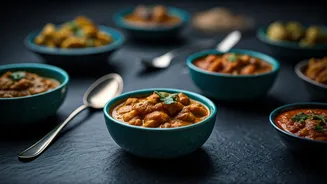
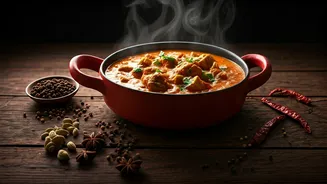
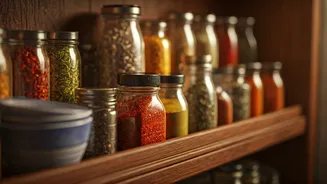
In a hyper-globalised world saturated with fast-food chains and generic flavours, young Indians are on a quest for authenticity. This isn't just about rejecting Western imports; it's about digging deeper into India’s own vast culinary landscape. The generation that grew up with standardised butter chicken and paneer tikka masala is now seeking out the distinct flavours of a Kathiawari undhiyu, a Naga pork dish with bamboo shoots, or a Chettinad curry made with freshly ground spices. This movement is a quiet rebellion against the homogenisation of taste. By choosing food with a specific regional or community origin, young consumers are reclaiming a sense of place and heritage. They are supporting small-scale producers and chefs who act as cultural custodians, preserving traditions one recipe at a time.
From Farm to Instagram
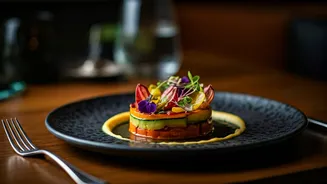
This trend is powered, in no small part, by the digital world. A beautifully plated dish with a compelling caption about its sustainable origins is prime content for Instagram. Social media has turned every diner into a potential food critic and storyteller. Brands have been quick to adapt, realising that a good backstory sells. They weave narratives of ethical sourcing, ancestral recipes, and environmental consciousness into their marketing. But this is a two-way street. While savvy marketing plays a role, young consumers are also digitally literate and can spot inauthenticity. They use social media to research, share discoveries of genuinely unique products, and hold brands accountable. A weekend trip to a farmers' market, documented on Instagram Stories, becomes both a personal experience and a public endorsement of a particular food philosophy.
Conscious Consumption as a Value
The desire for a food story is deeply intertwined with a broader shift in values among millennials and Gen Z. Issues like climate change, ethical labour practices, and personal wellness are no longer abstract concepts; they are daily considerations. Knowing the story of your food provides answers to these modern anxieties. Is it organic and free from harmful pesticides? Was the farmer paid a fair price? Does its production have a low carbon footprint? A brand that can tell a convincing story about its single-origin, shade-grown, fair-trade coffee isn’t just selling a beverage; it's selling peace of mind. It allows consumers to align their purchasing decisions with their personal ethics, turning a simple transaction into a vote for the kind of world they want to live in.
The New Kitchen Gurus
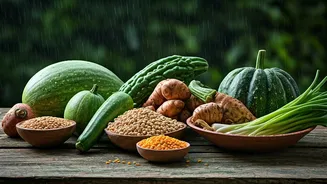
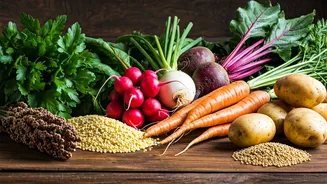
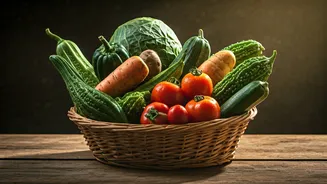
This movement isn't just happening in restaurants; it's transforming home kitchens. Inspired by a new wave of chefs, food bloggers, and historical gastronomists, young Indians are experimenting like never before. They are seeking out forgotten grains like millet, learning to ferment their own kombucha, and reviving their grandmothers’ pickling techniques. Cookbooks and YouTube channels that delve into the science and history of food are gaining immense popularity. The goal is not just to recreate a dish but to understand it. This culinary curiosity is fostering a generation of home cooks who are more informed, more adventurous, and more connected to the ingredients they use and the rich, diverse food heritage of the subcontinent.