







The Silent Crisis Beneath Our Cities
Beneath the concrete expanse of India's bustling cities, an invisible crisis is accelerating. Urban India is overwhelmingly dependent on groundwater, which supplies an estimated 45% of its needs. This lifeline, however, is being drained far faster than
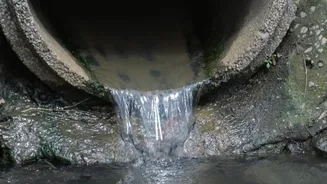
it can be replenished. Major metropolitan hubs like Delhi, Bengaluru, Chennai, and Hyderabad are already designated as water-stressed, with groundwater levels dropping at alarming rates. In Hyderabad's urban areas, for instance, groundwater levels plummeted by nearly 7 meters in a single year between 2025 and 2026. This over-extraction is driven by a perfect storm of rapid urbanisation, which paves over natural recharge zones, and the increasing unpredictability of monsoon rains. The result is a paradox where cities experience severe flooding during downpours, only to face acute water scarcity weeks later because the rain has nowhere to go but into overwhelmed drains.
A Solution Hiding in Plain Sight
The most effective and accessible solution to this problem is not miles away in a dam or river, but directly on our own rooftops. Rooftop Rainwater Harvesting (RWH) is a simple, proven technology that captures rainwater where it falls. Instead of allowing this precious resource to become runoff, RWH systems channel it through pipes for collection. The collected water can be used for two primary purposes: direct storage in a tank for non-potable uses like gardening, flushing, and cleaning, or directing it into a recharge pit to replenish the underground aquifers our cities so desperately need. This second function is crucial; by actively recharging local aquifers, households can directly combat the falling water tables in their immediate vicinity, improving the health of their own borewells and those of their neighbours.
More Than Just Free Water: A Smart Investment
Framing rainwater harvesting merely as an 'eco-friendly' choice misses the point. It is a direct and powerful utility investment with a clear financial return. The initial setup cost for a basic residential system in India can range from ₹5,000 to ₹25,000, depending on the complexity. This investment pays for itself surprisingly quickly. For a household reliant on expensive private water tankers, the system can break even within just a few monsoon seasons. The savings are multi-faceted: reduced municipal water bills, lower electricity consumption from borewell pumps that don't have to work as hard, and extended life for appliances like pumps and water purifiers that suffer from poor quality water. In water-stressed areas, a home equipped with an RWH system can also see its property value increase. Many state and municipal governments now offer financial incentives, such as subsidies on installation or rebates on property tax, further sweetening the deal for proactive homeowners.
How Rooftop Harvesting Actually Works
The technology is refreshingly straightforward. A typical system consists of a few key components. First is the catchment area, which is simply your existing roof. Gutters and downpipes then channel the water to a 'first-flush' diverter, a clever device that discards the initial few minutes of rainfall, washing away accumulated dust and debris from the roof. From there, the water passes through a filter—ranging from a simple sand and gravel pit for recharge systems to more advanced cartridge filters for storage tanks. Finally, the clean water is directed either into a storage tank (like a standard Sintex tank or an underground sump) or into a specially constructed recharge pit, a deep hole filled with layers of gravel and sand that allows water to slowly percolate back into the earth, replenishing the local aquifer.
Beyond Your Home: A Community-Wide Impact
While the individual benefits are compelling, the true power of rooftop rainwater harvesting is realised when it's adopted at a community scale. Every household that installs a system contributes to a collective solution. Widespread adoption reduces the overall demand on the strained municipal supply and lessens the city's reliance on pumping water from distant, and often dwindling, sources. This decentralised approach to water management builds resilience from the ground up. Furthermore, by capturing rainwater at its source, RWH systems play a vital role in mitigating urban flooding—a problem exacerbated by concretised landscapes that prevent natural water absorption. Initiatives like the central government's Jal Shakti Abhiyan and mandatory RWH policies in states like Tamil Nadu and Karnataka underscore this shift in thinking, recognising that millions of individual rooftops working together can form a powerful, city-wide water conservation network.