


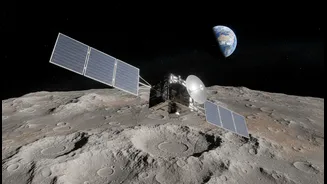


Meet the Pathfinder
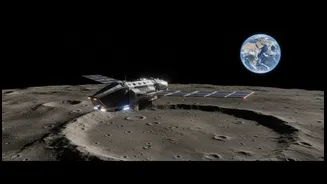
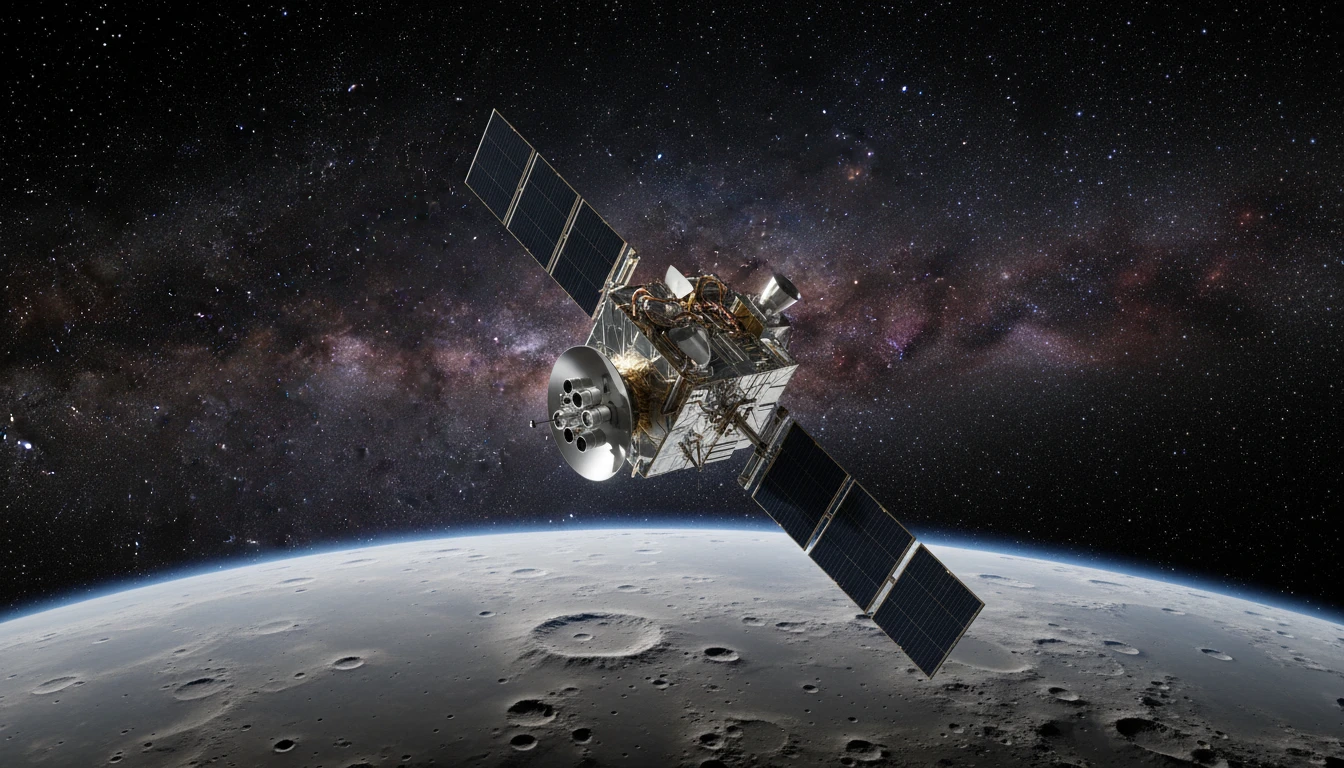
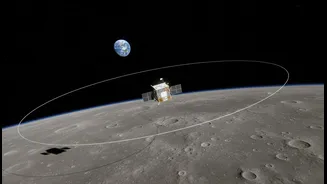
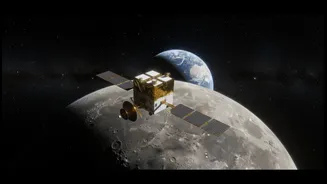
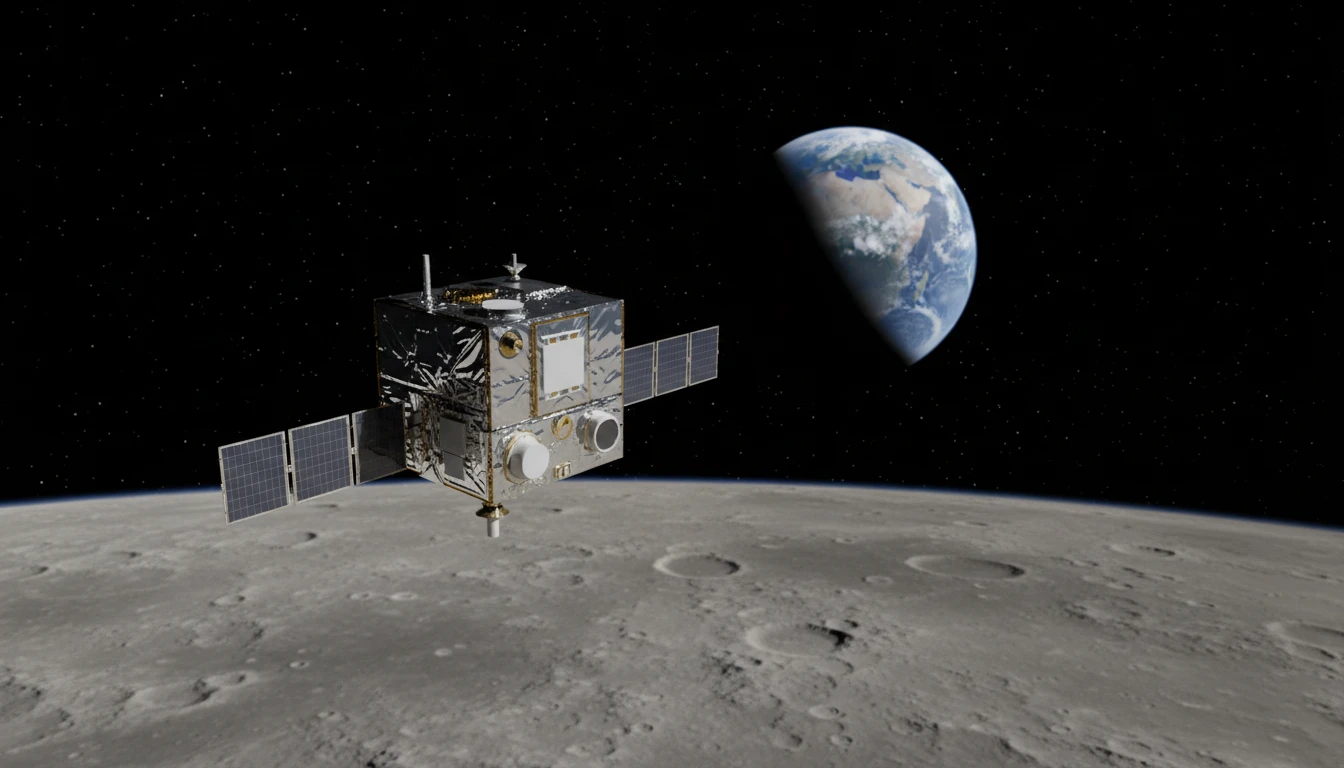
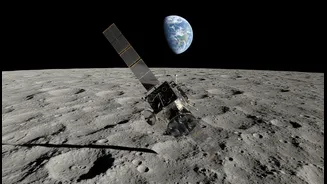
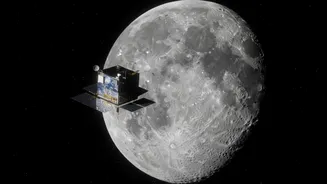
CAPSTONE, a CubeSat no bigger than a microwave oven, has a long name for a grand mission: the Cislunar Autonomous Positioning System Technology Operations and Navigation Experiment. Launched in June 2022, its primary job is to serve as a trailblazer for NASA's
Artemis program. Specifically, it’s testing technologies crucial for the planned Lunar Gateway—an orbiting outpost that will support missions to the Moon and, eventually, Mars. After completing all its primary and extended goals, NASA's official activities on the successful mission concluded in June 2026, but the spacecraft continues to provide valuable data.
The Trouble with Deep Space GPS
On Earth, we take GPS for granted. But in the vastness of cislunar space—the area around the Moon—there’s no such network. Historically, spacecraft this far from home have relied entirely on the Deep Space Network (DSN), a global system of massive radio antennas on Earth, to tell them where they are. This system is effective but also oversubscribed and expensive. Every mission needs a time slot, and communication involves significant delays. As space gets busier with missions from various nations and private companies, relying solely on the DSN creates a logistical bottleneck.
A New Way to Navigate
This is where CAPSTONE's core technology comes in. The mission is demonstrating the Cislunar Autonomous Positioning System (CAPS). This innovative software allows a spacecraft to determine its own position without constantly phoning home to Earth. It does this by communicating directly with another spacecraft. For this test, CAPSTONE has been using NASA’s Lunar Reconnaissance Orbiter (LRO), which has been circling the Moon since 2009, as its navigation partner. By sending signals to LRO and analyzing the return signal, CAPSTONE's software can calculate its exact position, speed, and trajectory, demonstrating a form of peer-to-peer navigation in deep space.
Proving a Very Special Orbit
Besides its navigation tech, CAPSTONE is the first spacecraft to fly in a Near Rectilinear Halo Orbit (NRHO). This highly elliptical path is special because it exists at a gravitational balance point between the Earth and the Moon. A spacecraft in this orbit gets a 'free ride' from gravity, requiring very little fuel to stay put. The orbit brings the spacecraft close to one lunar pole before swinging far out over the other every seven days. This makes it an ideal staging point for missions to the lunar surface while also maintaining a constant line of sight to Earth for uninterrupted communication. By successfully flying in this orbit, CAPSTONE has proven its stability and collected vital data for the Gateway station.
The Future of Autonomous Exploration
The success of CAPSTONE's technologies has profound implications. Future spacecraft, particularly those traveling to Mars where communication delays can be up to 20 minutes each way, will need to operate with a high degree of autonomy. They won't have the luxury of waiting for instructions from Earth to perform critical maneuvers or determine their location. By proving that spacecraft can navigate independently and validating a fuel-efficient orbit, CAPSTONE is laying the groundwork for a more sustainable and ambitious era of exploration. This little pathfinder is helping to ensure that when astronauts travel to the Gateway and beyond, they will have a safer, more reliable, and more independent way to journey through the cosmos.