







The Package Tour Paradox
For many Indian travellers, Bali is a top-tier, accessible paradise. Package deals promising flights, hotels, and tours for one neat price are incredibly tempting. They offer convenience and remove the guesswork from planning. Yet, this convenience often
comes at a cost. The ‘toxic’ part of these mass packages isn’t the price; it’s the experience. You’re herded from one overcrowded photo-op to another, from the Gates of Heaven (Lempuyang Temple) to the Kuta beach market, jostling with hundreds of others on the exact same itinerary. The schedule is so packed that there's no time for spontaneity or genuine connection. You see Bali, but you don't feel it. These trips are designed for volume, treating the island as a checklist of sights rather than a living, breathing culture to be experienced.
The Antidote: Embracing 'Slow Travel'
The alternative is a philosophy known as ‘slow travel’. It’s not about moving at a snail’s pace; it's about shifting your mindset from consumption to connection. Instead of trying to see the entire island in seven days, you choose one or two regions—like the cultural heart of Ubud or the quieter northern coast—and explore them deeply. It means prioritising experiences over sights. Think swapping a rushed temple tour for an immersive cooking class in a local family’s home, or trading a crowded beach club for a quiet morning learning silver-making from a village artisan. Slow travel is about being present, allowing for unplanned discoveries, and leaving a place feeling restored, not exhausted.
The 'Bamboo' Philosophy Explained
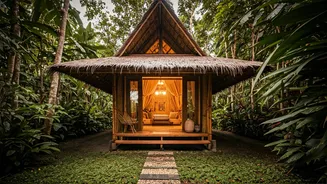
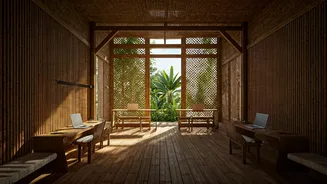
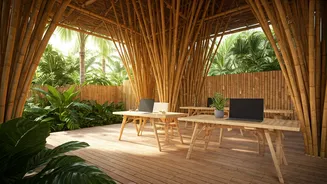
The ‘bamboo’ in the headline is both literal and metaphorical. Literally, Bali is home to a revolutionary bamboo architecture movement. Staying in a stunning, sustainably built bamboo villa or eco-lodge in areas like Sidemen or near Ubud is an experience in itself. These structures, often open-air and integrated with nature, force you to slow down and appreciate your surroundings. Metaphorically, ‘bamboo’ represents a travel style that is flexible, strong, and deeply rooted in the local environment. It means choosing businesses that support the local community and protect the island's fragile ecosystem. It’s about building a trip that is resilient and sustainable, just like the bamboo it's inspired by. This approach moves you from a passive tourist to an active participant in Bali's preservation.
How to 'Co-Create' Your Perfect Trip
‘Co-creating’ your trip means ditching the one-size-fits-all package and building an itinerary that reflects your personal interests. It’s a collaborative process. Start by researching boutique travel agencies or local Balinese-owned tour operators who specialise in custom, sustainable travel. Unlike mass-market operators, these experts listen to what you want—be it adventure, wellness, food, or art. Provide them with a budget and a list of interests. A good co-creator will suggest unique experiences you'd never find in a brochure, like a private waterfall trek with a local guide, a visit to an organic coffee plantation, or a stay in a community-run guesthouse. This partnership ensures your money directly benefits local people and gives you a much richer, more authentic holiday.
A Different Kind of Itinerary
So, what does a slow, co-created Bali trip look like? It might mean starting your day with a yoga session overlooking rice fields instead of a pre-dawn hotel pickup. It could involve spending an entire afternoon learning about Subak, Bali's ancient irrigation system, by walking through the fields with a local farmer. Instead of dinner at a generic tourist restaurant, your guide might arrange a meal at a 'warung' (a small family-owned eatery) known only to locals. You might skip the throng at Tanah Lot at sunset and instead enjoy the view from a quieter, lesser-known cliffside temple. This isn't about missing out; it's about trading superficial for substantial, and crowds for calm.