




The Two Engines of Growth
At the heart of India's digital commerce revolution are two critical components: a seamless digital payments infrastructure and a sophisticated, hyper-efficient logistics network. Think of them as the twin engines of a rocket. One provides the fuel (money),
and the other ensures the payload (your package) reaches its destination. The Unified Payments Interface (UPI) has fundamentally changed how Indians transact, making online payments instantaneous, secure, and accessible to hundreds of millions of users. Simultaneously, last-mile delivery services have evolved from a simple courier function into a complex, technology-driven operation designed for speed and reliability. Together, they create a frictionless experience that has built consumer trust and enabled unprecedented growth.
UPI: The Frictionless Payment Revolution
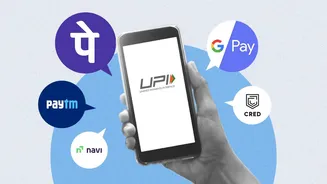
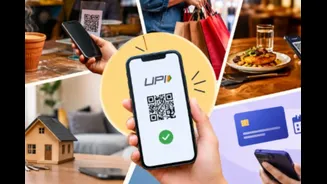
Before the widespread adoption of digital payments, e-commerce in India faced a major hurdle: a lack of trust in online transactions and low credit card penetration. The introduction of Cash on Delivery (CoD) was an early solution, but the real game-changer was UPI. Launched by the National Payments Corporation of India (NPCI), UPI allows for instant, mobile-first bank transfers, effectively turning a smartphone into a digital wallet. Its success has been staggering, processing billions of transactions monthly and becoming the default payment method for a vast portion of the population. For e-commerce, this means faster checkouts, fewer abandoned carts, quicker payment settlements for sellers, and the ability to support micro-transactions, which is vital for reaching customers in smaller towns and rural areas. This has significantly lowered the barrier to entry for both consumers and small businesses.
Last-Mile Delivery: From Days to Minutes
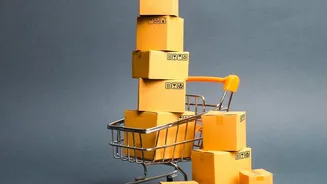
Getting a product from a warehouse to a customer's doorstep is the most challenging and expensive part of the e-commerce journey. In a country as geographically diverse as India, with its bustling metros and remote towns, this 'last mile' is a monumental task. Yet, logistics companies have risen to the challenge by investing heavily in technology. They use routing algorithms, predictive analytics, and a network of micro-fulfillment centers or dark stores to optimize every delivery. The rise of quick commerce, promising deliveries in under 15-30 minutes, is a testament to this logistical prowess. This focus on speed and efficiency is no longer a luxury; it's a core consumer expectation that directly impacts customer satisfaction and loyalty.
A Symbiotic Relationship
The true magic happens where digital payments and delivery services intersect. A customer can seamlessly browse products on an app, pay instantly via UPI, and receive real-time tracking updates as their order makes its way through a highly optimized delivery network. This synergy is what enables the modern e-commerce experience. It has also fueled the boom in Direct-to-Consumer (D2C) brands. These digital-first brands can now bypass traditional retail channels, owning the entire customer relationship from discovery to payment and final delivery. They leverage this integrated ecosystem to offer personalized experiences, build brand loyalty, and compete with established giants, a feat that would have been impossible a decade ago.
Powering Growth Beyond the Metros
Perhaps the most significant impact of this digital infrastructure is the democratization of e-commerce. With reliable digital payments and expanding delivery networks, online retail is no longer confined to major urban centers. Tier-2 and Tier-3 cities are now major drivers of e-commerce growth, accounting for a substantial share of new shoppers. Small and medium-sized enterprises (SMEs) from across the country can access a national market, leveraging platforms and their integrated payment and logistics solutions to reach customers they never could before. This digital inclusivity is fostering entrepreneurship and creating a more equitable economic landscape, transforming local economies in the process.