


The Challenge of Plant-Based Protein
A high-protein diet is linked to numerous benefits, including better muscle repair, stable blood sugar levels, and increased satiety, which helps in weight management. Protein is a vital building block for nearly every function in the body. However, for vegetarians
and vegans in India, hitting daily protein goals can be a challenge. While many traditional meals are nutritious, they often rely heavily on carbohydrates. The key isn't to abandon traditional foods, but to intelligently combine them to boost their protein content significantly. By focusing on a few powerhouse ingredients, you can transform your everyday meals into protein-rich feasts without resorting to expensive supplements or complicated recipes.
Your Protein Anchors: Paneer and Tofu
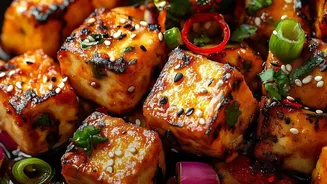
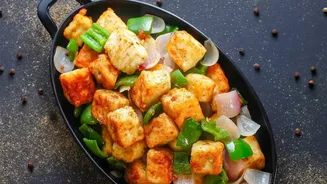
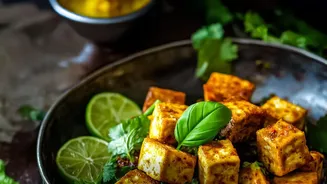
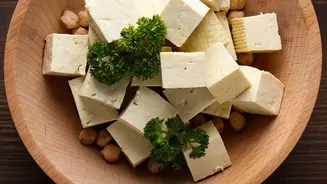
Paneer and tofu are two of the best protein-dense options for a vegetarian kitchen. While often used interchangeably, they have distinct nutritional profiles. Paneer, a fresh cheese, is a protein heavyweight, offering a substantial 18-25 grams of protein per 100-gram serving. This makes it an excellent choice for muscle building. Tofu, made from soybeans, provides around 8-10 grams of protein per 100g. While lower in protein than paneer, tofu is vegan, has fewer calories, and is a better source of iron. Tofu is also considered a 'complete protein', meaning it contains all nine essential amino acids. Choosing between them depends on your dietary needs—paneer for dairy-tolerant individuals seeking maximum protein, and tofu for a lighter, vegan-friendly option.
The Unsung Heroes: Local Lentils (Dal)
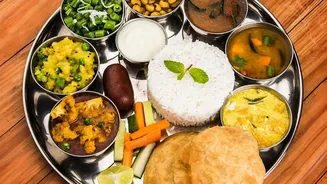
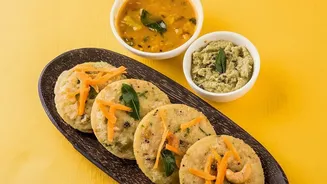
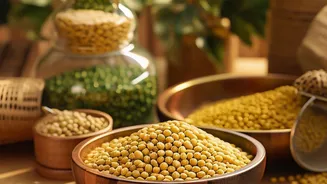
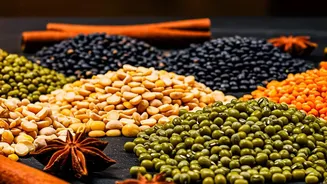
Lentils, or dal, are the backbone of Indian cuisine and a fantastic source of plant-based protein. Most common dals, such as moong, masoor, and chana dal, contain an impressive 20-25 grams of protein per 100g when measured raw. When cooked, this translates to about 7-9 grams per 100g serving as they absorb water. Masoor dal (red lentil) is one of the quickest to cook, while moong dal is known for being easy to digest. Chana dal is rich in fibre and minerals. Combining lentils with grains like rice or roti creates a complete amino acid profile, a principle that is already a cornerstone of traditional Indian meals like dal-chawal. They are also incredibly budget-friendly, making them perfect for daily consumption.
The High-Protein Dinner Formula
Instead of sticking to rigid recipes, use this flexible formula to build your own high-protein dinners: 1. Choose Your Protein Anchor (Pick One): Start with a generous portion of either paneer (about 100-150g) or tofu (about 150-200g). You can crumble it for a bhurji, cube it for a curry, or pan-sear it. 2. Add a Lentil Component (Pick One): Incorporate a cooked dal into your meal. This can be a thick dal served on the side, or you can mix the lentils directly into your main dish. For example, a tomato-based curry can be fortified with cooked masoor dal to create a thicker, protein-rich gravy for your tofu or paneer. 3. Load Up on Vegetables: Add non-starchy vegetables like spinach, bell peppers, broccoli, or cauliflower. They add fibre, vitamins, and minerals without significantly increasing the calorie count. 4. Flavour with Spices: Use a base of onion, ginger, and garlic, and season with Indian spices like turmeric, cumin, coriander, and garam masala. This ensures your healthy meal is also delicious and satisfying.
Example Meal Combinations
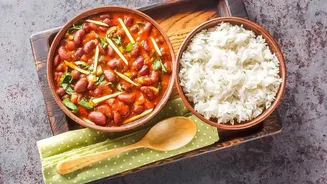
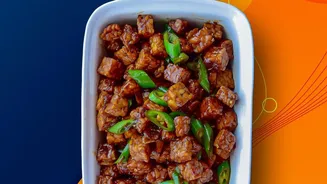
Here’s how the formula works in practice: Paneer Bhurji with a Moong Dal Tadka: A classic paneer bhurji made with 200g of crumbled paneer, onions, and tomatoes, served alongside a simple bowl of yellow moong dal. This combination can easily provide over 30 grams of protein. Tofu and Red Lentil Curry: Cubes of firm tofu simmered in a thick gravy made from pureed tomatoes and cooked masoor dal. The lentils act as a creamy, protein-boosting base. Serve with a side of steamed vegetables. * Chana Masala with Stir-Fried Tofu: A hearty bowl of chana masala paired with pan-fried tofu cubes seasoned with salt and pepper. The combination of chickpeas and tofu delivers a powerful protein punch.