



The Coastal Culinary Trinity
Konkani food is a direct reflection of its geography: lush, coastal, and abundant with coconut, rice, and unique souring agents. Unlike the heavy, dairy-rich cuisines of the north, Konkani cooking is lighter, relying on a holy trinity of ingredients to
build its iconic dishes. The foundation is fresh coconut, providing a creamy, luscious base. The soul is kokum, a tangy fruit that lends a unique sour note and a beautiful pinkish hue. And the perfect companion is what the headline calls 'sourdough'—not a loaf of bread, but subtly sour, fermented rice preparations that are ideal for soaking up every last drop of delicious curry.
Fermentation: The 'Sourdough' Element
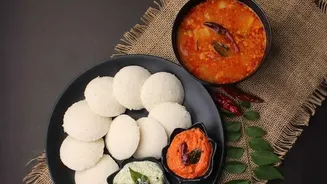
When we talk about sourdough in Konkani cuisine, we're referring to the gentle tang of fermentation in rice. The most beloved example is the 'sanna', a soft, spongy, steamed rice cake. Made from a batter of rice and coconut that is traditionally fermented with toddy (palm sap) or sometimes yeast, sannas are the perfect vehicle for rich curries. They are light, airy, and slightly sour, much like their South Indian cousin, the idli. Their porous texture makes them ideal for absorbing gravies, providing a wonderful contrast to the spicy and tangy notes of a fish or meat curry. This fermented element is not just about flavour; it adds a textural dimension that elevates the entire meal from a simple dish to a complete experience.
Kokum: The Soulful Souring Agent
While much of India turns to tamarind for a sour kick, Konkani cuisine champions kokum (Garcinia indica). This deep purple fruit, when dried, imparts a unique flavour that is less harsh and more floral than tamarind, with a subtle sweet-and-sour taste. It's the defining ingredient in many Konkani fish curries, where its acidity cuts through the richness of coconut milk and complements the freshness of the seafood. Beyond curries, kokum is the star of 'solkadhi', a refreshing, pale pink digestive drink made from coconut milk and kokum extract. Believed to have cooling properties, solkadhi is the traditional way to end a spicy meal, soothing the digestive system and cleansing the palate.
Fresh Coconut: The Creamy Foundation
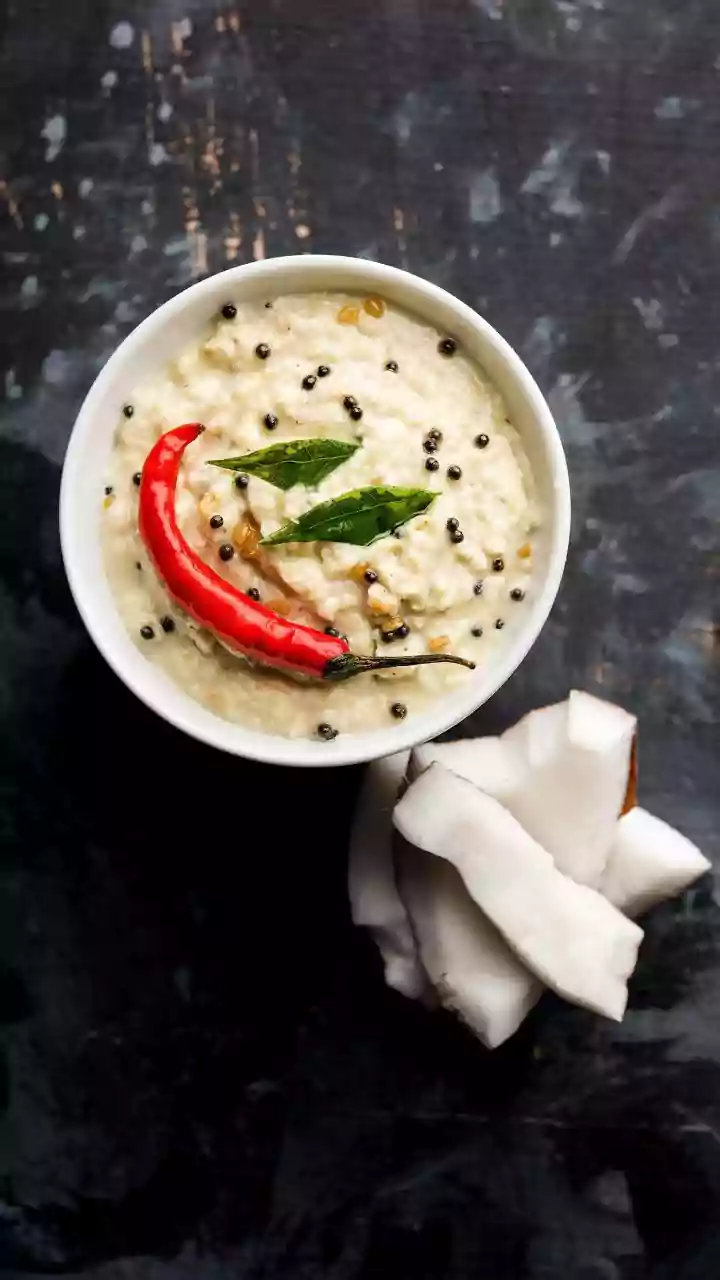
In the Konkan, coconut is not just an ingredient; it's the very structure of the cuisine. The use of fresh, grated coconut—not dried or desiccated—is non-negotiable. It is ground into a fine paste with spices to form the body of a curry, or pressed to extract luscious, creamy milk that serves as the gravy's base. This fresh coconut milk provides a subtle sweetness and a velvety texture that balances the heat of chillies and the tartness of kokum. Unlike the heaviness that can come from dairy, coconut milk offers richness while remaining light on the palate, a perfect fit for the humid coastal climate. This reliance on coconut in its various forms—from milk and paste to oil—is what gives Konkani food its distinctive and deeply satisfying character.
A Symphony in a Bowl
To truly understand Konkani culinary genius, picture a classic fish curry. The gravy is a vibrant red, built on a smooth paste of coconut and Kashmiri chillies. The creamy coconut milk rounds out the spices, while a few pieces of kokum bob in the sauce, slowly releasing their signature tang and colour. The fresh fish, cooked gently in this flavourful bath, is tender and flaky. This curry is ladled over a bed of steamed rice or, even better, served alongside a pair of fluffy, white sannas. The sanna soaks up the gravy, its gentle sourness from fermentation harmonising with the tangy kokum and the rich coconut. Each bite offers a perfect balance of creamy, tangy, spicy, and savoury. This is not just a combination of ingredients; it's a culinary philosophy born from the land and sea.