




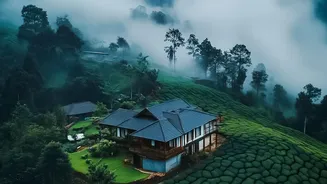
The Desert State's Green Makeover
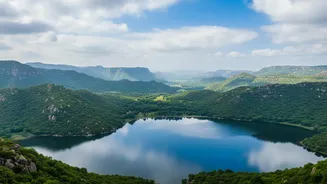
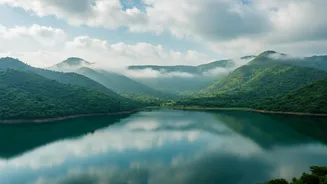
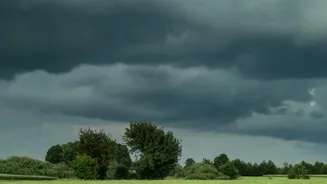
After months of scorching heat, the monsoon season, typically lasting from July to September, gives Rajasthan a dramatic and welcome transformation. The arid Aravalli hills shed their brown coat for a lush, green mantle, and landscapes that were parched
and dusty erupt with life. This seasonal shift is capturing the imagination of travellers, who are increasingly planning trips specifically to witness this verdant spectacle. According to travel experts, this trend towards 'green tourism' is booming, with visitors eager to see the state's natural beauty in its purest form. Improved connectivity through new highways has also made these monsoon escapes more accessible than ever.
From Drylands to Shimmering Wetlands
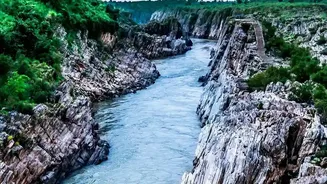
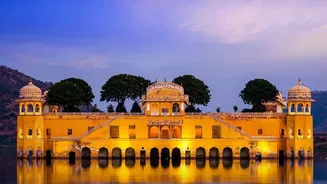
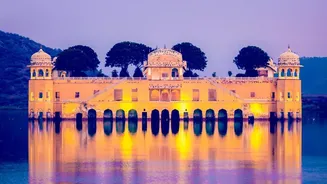
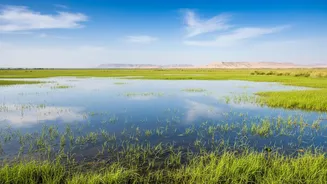
The most significant change brought by the monsoon is the replenishment of the state's countless water bodies. Dry riverbeds begin to flow, and lakes that had shrunken during the summer swell to their full, picturesque glory. This is most famously seen in Udaipur, the 'City of Lakes', where Lake Pichola and Fateh Sagar Lake become mesmerising centrepieces to the rain-washed city. But beyond the famous lakes, the rains create a network of temporary wetlands and marshes, turning vast plains into vital habitats that attract an astonishing array of life, particularly birds. These seasonal wetland breaks offer a completely different experience from the typical desert safari.
A Paradise for Birdwatchers
For nature lovers and photographers, these rejuvenated wetlands are a paradise. The most celebrated of these is Keoladeo National Park in Bharatpur, a UNESCO World Heritage Site. During the monsoon, this man-made wetland transforms into a lush mosaic of marshes perfect for resident waterbirds that begin their breeding season. While winter is famous for migratory species, the monsoon offers a chance to see spectacular resident birds like painted storks, Indian darters, and purple herons in their breeding plumage. However, the park's health is fragile and heavily dependent on monsoon intensity and water supply from dams, which can sometimes be inconsistent, impacting bird activity. Beyond Keoladeo, other areas like the wetlands around Jawai, known for its leopards, and smaller sanctuaries like Tal Chhapar also offer unique birdwatching opportunities during the rains.
Exploring the Monsoon Havens
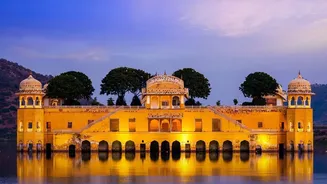
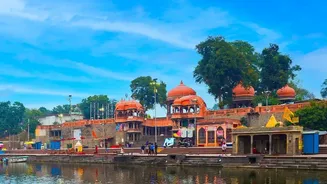
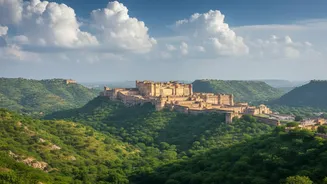
The travel surge isn't just focused on one area. Udaipur remains a top draw with its romantic, misty atmosphere and overflowing lakes. Mount Abu, the state's only hill station, becomes a cool, green retreat with misty valleys and waterfalls. Lesser-known destinations are also gaining prominence. Bundi, with its fairytale-like setting of blue houses and ancient step-wells, is particularly stunning during the rains. Similarly, areas like Kumbhalgarh and Ranakpur offer breathtaking views of forts and temples set against vibrant green hills. For wildlife enthusiasts, while the core zones of tiger reserves like Ranthambore and Sariska are closed, the buffer zones remain open for safaris, offering a chance to see wildlife in a uniquely green environment.
Why Travel Now?
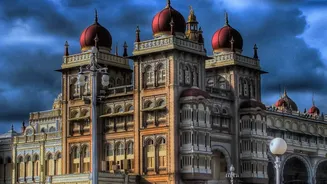
This growing interest in monsoon travel comes with several advantages. The season is considered off-peak, which means fewer crowds at major monuments and attractions that are typically swarmed in winter. This allows for a more peaceful and immersive experience. It's also a budget-friendly time to visit, with many hotels and resorts offering significant discounts compared to the peak season from October to March. The rains wash the dust from the air, offering clearer views and a fresh, clean atmosphere that enhances the beauty of the historic forts and palaces. The entire experience becomes slower, more reflective, and offers a rare glimpse into the life-giving power of the monsoon in a land defined by its dryness.