


A Celebration of Heritage
In the heart of India's desert state, events like the Pushkar Fair and various artisan-focused festivals serve as a crucial lifeline for heritage crafts. These gatherings, often spanning several days, are not just for tourists; they are dynamic platforms
designed to connect rural artisans directly with new markets, preserving their cultural and economic independence. By transforming cities like Jaipur, Jodhpur, and Jaisalmer into open-air galleries, these festivals celebrate the soul of Rajasthan. They provide a space where the stories behind each handcrafted item can be told, and the skills passed down through generations can be witnessed firsthand, ensuring they are not lost to time.
Journey Through Craft Cities
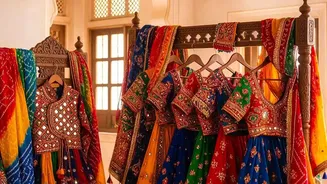
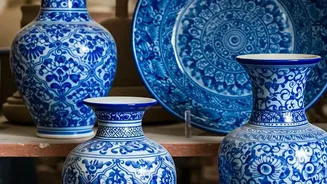
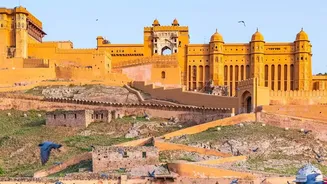
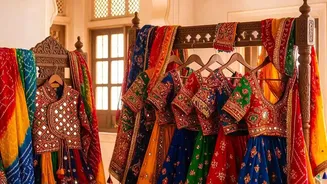
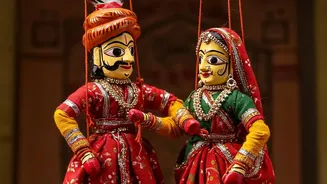
The journey often begins in Jaipur, the Pink City, a bustling metropolis known for its blue pottery, Kundan jewellery, and block-printed textiles. The craft uses no clay, but a unique dough of quartz powder and glass, painted with brilliant cobalt oxide before being fired. Traveling onwards to Jodhpur, the Blue City, the focus shifts to exquisite textiles, Bandhani tie-dye, and handcrafted leather mojaris, traditional slip-on shoes often embroidered by the women of an artisan's family. Further into the golden sands lies Jaisalmer, a city where desert culture is woven into every craft, from intricate silver carving to the creation of Kathputli puppets that narrate tales of local heroes. Each city offers a unique window into a specific set of skills, shaped by its distinct history and environment.
The Hands Behind the Art
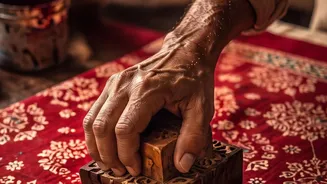
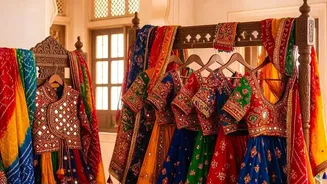
Behind every intricate pattern and perfectly formed pot are the artisans, the true custodians of Rajasthan's cultural identity. Many of these crafts are family traditions, with knowledge and techniques passed from one generation to the next. Take, for example, the complex art of Bandhani, where fabric is tightly knotted in thousands of tiny points before dyeing to create stunning patterns. Or the masterful process of miniature painting, where artists use fine brushes to depict stories on silk or paper. These festivals offer visitors a rare chance to interact with these master craftspeople, watch them at work in live demonstrations, and even participate in workshops to learn skills like pottery or block printing. This direct interaction fosters a deeper appreciation for the immense skill and patience required for each piece.
Challenges and Triumphs
Despite their cultural significance, many of these traditional crafts face threats from mass-produced goods and changing consumer tastes. Younger generations are often drawn to more modern professions, risking a break in the chain of ancestral knowledge. This is what makes dedicated craft festivals so vital. They provide a powerful economic incentive for artisans to continue their work, offering a platform to reach a global audience and earn a fair price, often without intermediaries. The success of these events demonstrates a growing global appreciation for authentic, ethically produced goods. By choosing to buy directly from an artisan at a fair, consumers are not just acquiring a beautiful object; they are investing in the survival of a craft and the empowerment of a community.
More Than Just Crafts
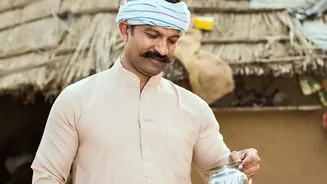
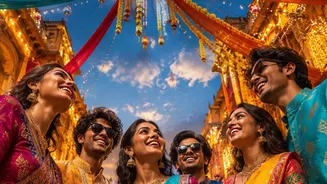
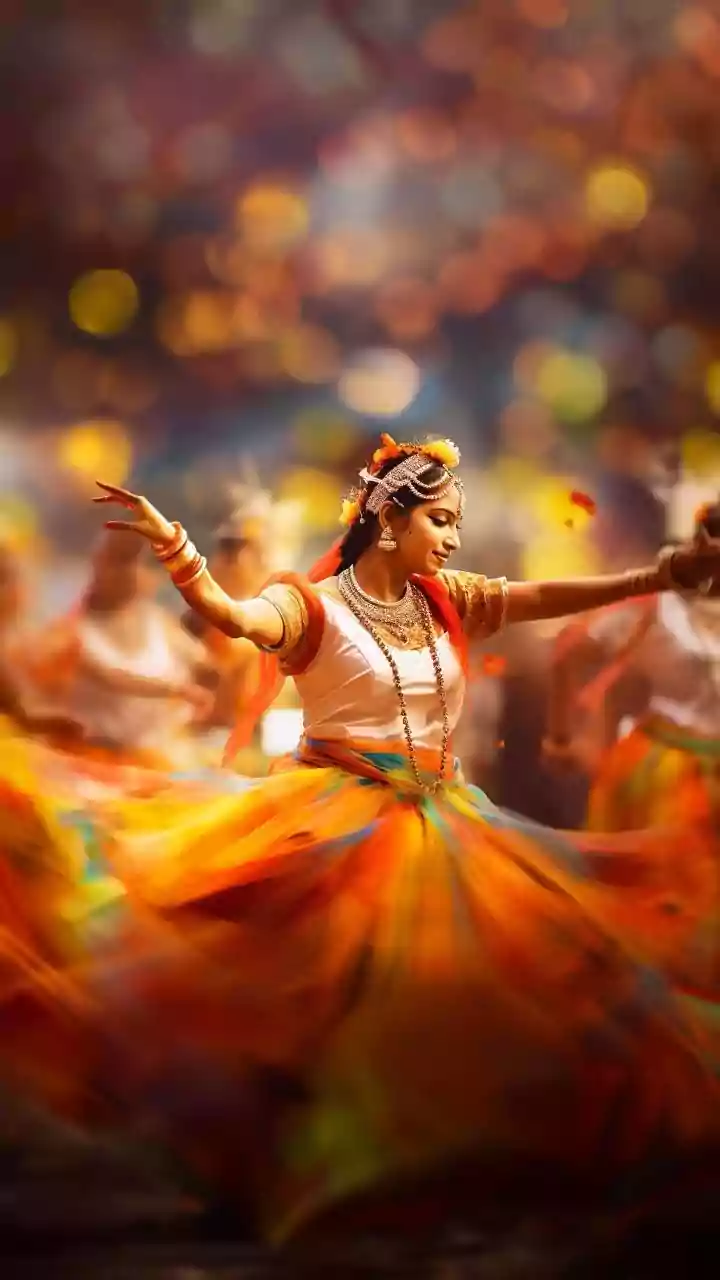
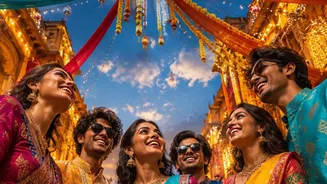
A festival in Rajasthan is a full sensory experience. The air is filled with the sounds of folk musicians playing the sarangi, the sights of Kalbelia dancers, and the aromas of traditional Rajasthani cuisine. These cultural elements provide a rich backdrop to the craft displays, creating an immersive atmosphere that celebrates the entire tapestry of the region's heritage. Events like the Jaisalmer Desert Festival or the Pushkar Fair feature everything from camel races and turban-tying competitions to folk performances under the stars, making them a true celebration of life in the desert state. This holistic approach ensures that visitors leave with not just a handicraft, but a deep and lasting connection to the culture that created it.