






The Allure of a Quick Fix
In a health-conscious world, dietary supplements have become incredibly popular. From gummies to powders, they promise to fill nutritional gaps, boost immunity, or enhance performance. It's a tempting shortcut, especially when celebrity endorsements and
online trends suggest that a simple pill can solve complex health issues. This marketing-driven environment often makes people feel they are proactively managing their health by taking supplements. However, this behaviour of using substances to treat health problems without consulting a doctor is known as self-prescribing, and it comes with significant risks.
More Isn't Always Better: The Risks of Toxicity
A common misconception is that if a little is good, more must be better. This isn't true for vitamins. Your body distinguishes between two types: water-soluble (like B vitamins and C) and fat-soluble (A, D, E, and K). Excess water-soluble vitamins are usually flushed out, but fat-soluble vitamins can accumulate in your liver and fatty tissues to toxic levels. This condition, called hypervitaminosis, can cause symptoms ranging from nausea, dizziness, and stomach cramps to more severe issues like liver damage, kidney stones, hair loss, and bone pain. In extreme cases, vitamin toxicity can lead to severe organ damage and other serious health complications.
Decoding Common Supplement Dangers
Certain popular supplements carry specific risks when taken in high doses without medical supervision. For example, too much Vitamin D can cause a buildup of calcium in the blood, leading to nausea and kidney problems. An excess of Vitamin A can lead to liver damage, blurred vision, and dizziness. High doses of some minerals are also risky; excess iron can cause constipation and nausea, while too much zinc can impair copper absorption and suppress the immune system. Some supplements can even interact negatively with prescription medications, like blood thinners or heart medication, reducing their effectiveness or causing dangerous side effects.
Food First, Supplements Second
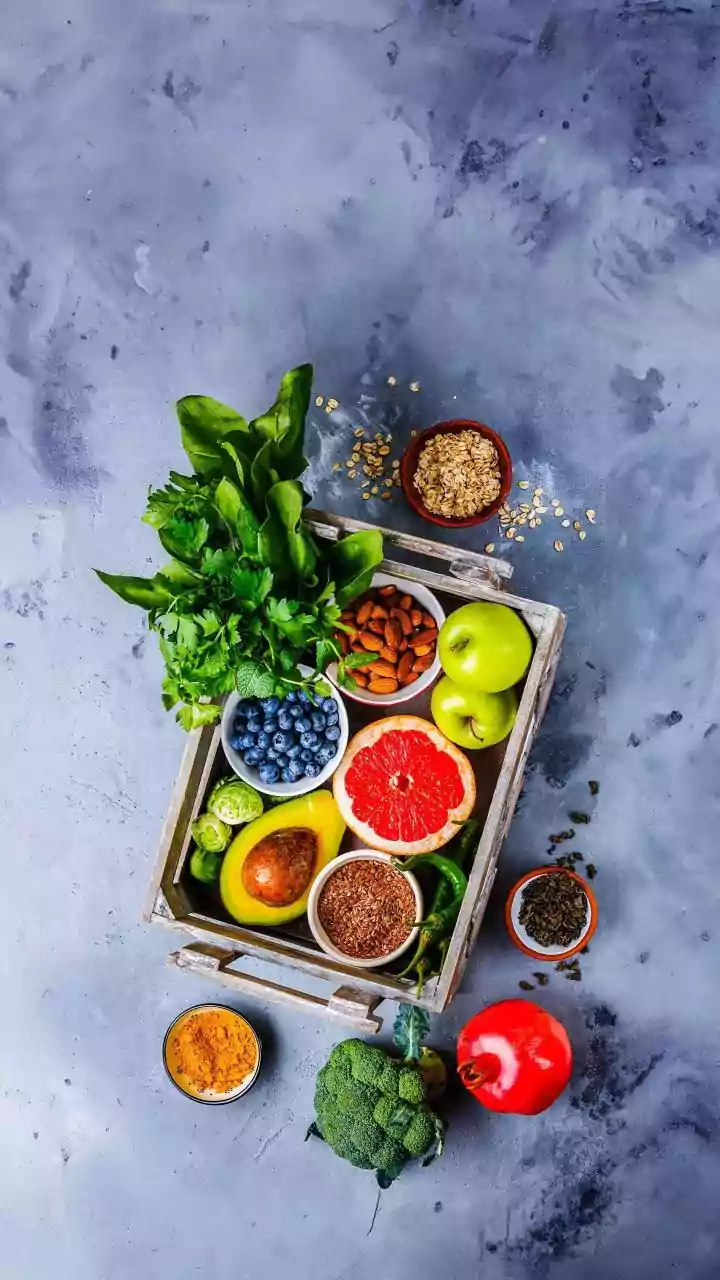
Health experts agree that a balanced diet is the best way to get the nutrients your body needs. A varied diet rich in fruits, vegetables, whole grains, and lean proteins provides a complex array of vitamins, minerals, fibre, and antioxidants that no supplement can fully replicate. For most healthy people, a nutritious diet makes multivitamins unnecessary. In its recent dietary guidelines, the Indian Council of Medical Research (ICMR) emphasized obtaining nutrients from food combinations and advised against using protein supplements for muscle building, noting that most dietary needs can be met through food alone.
The Right Way: Consult a Professional
This doesn't mean supplements have no place. They can be very beneficial for people with diagnosed deficiencies, certain health conditions, or specific life stages like pregnancy. The key is to not self-diagnose. Consulting a doctor is a crucial step before starting any supplement. A healthcare professional can assess your diet, lifestyle, and medical history, and may order blood tests to determine if you have a deficiency. This allows for personalized recommendations on the right supplement and dosage, ensuring it's both safe and effective for your individual needs. It’s important to tell your doctor about all supplements you take, as even 'natural' products can have potent effects and interact with other medications.