



The Soul of Saag: More Than Just Mustard
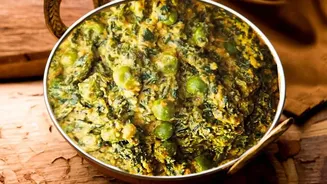
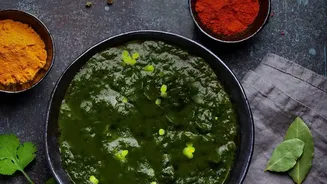
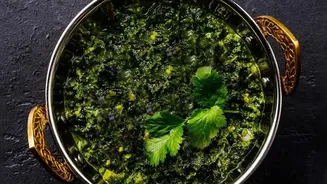
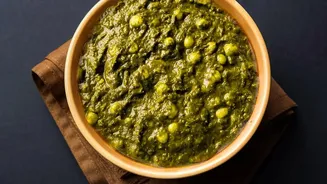
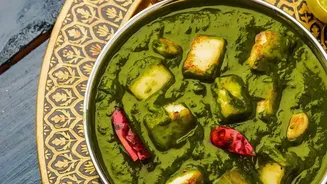
Traditionally, Sarson ka Saag, made from pungent mustard greens, is a winter delicacy in Punjab. However, the term 'saag' simply refers to a dish made from leafy greens. This means you aren't limited by what a specific recipe dictates. The true spirit
of saag lies in its adaptability, using fresh, seasonal produce to create a nourishing and flavourful dish. Cooks across India have long embraced this philosophy, using a wide array of local greens to make their own versions of this classic. This approach not only connects you to the local harvest but also opens up a world of new flavours and textures. Embracing this versatility is the key to making saag a year-round staple, not just a winter treat.
A Guide to Your Local Greens
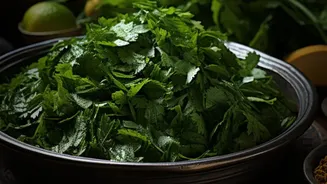
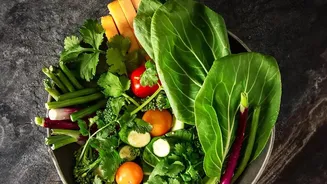
The beauty of saag is that there are no strict rules, only delicious possibilities. Many different greens can be used, either alone or in combination. Spinach (Palak) is a popular choice, providing a mild flavour, a creamy texture, and a vibrant green colour that beautifully balances the stronger taste of other leaves. Fenugreek (Methi) leaves introduce a pleasant, slightly bitter note that adds complexity and is packed with nutrients. Amaranth leaves (Cholài or Chaulai) are another excellent option, known for their earthy flavour and nutritional benefits, including being a good source of vitamins A and C. Bathua (Chenopodium or Pigweed) is a winter green often combined with mustard leaves to mellow their bitterness, but it can also be a star on its own, offering a unique taste and texture. Even less conventional greens like radish leaves, beet greens, and kale can be used to create a wonderful saag.
The Art of the Blend
While you can make saag with a single type of green, combining two or more varieties is where the magic truly happens. Blending creates a more complex and balanced flavour profile. A common practice in traditional Sarson ka Saag is to mix mustard greens with spinach and bathua. The spinach adds creaminess and cuts through the sharp, peppery taste of the mustard, while bathua lends a mellow depth. A good rule of thumb is to use a bolder, more pungent green as your base and supplement it with milder greens. For instance, if you use methi with its characteristic bitterness, combine it with a larger quantity of neutral-tasting spinach. Radish greens can be used to mimic the peppery notes of mustard when it's not in season. Don't be afraid to experiment with ratios to find the blend that you enjoy the most. The goal is a harmonious dish where no single green overpowers the others.
A Universal Method for Perfect Saag
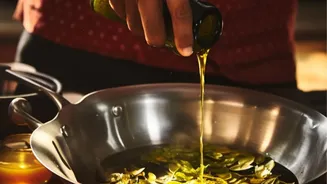
Regardless of the greens you choose, the cooking process for saag is quite consistent. Start by thoroughly washing and chopping your chosen leaves. The greens are then typically boiled or pressure-cooked with aromatics like onion, ginger, garlic, and green chillies until they are completely soft. Once cooked, the mixture is traditionally mashed or blended to a coarse puree. To thicken the saag and give it its classic creamy texture, a slurry of maize flour (makki ka atta) or gram flour (besan) is often stirred in and cooked for a few more minutes. This step is crucial for achieving the right consistency. The final and most important step is the 'tadka' or tempering. Ghee or oil is heated in a separate pan, and spices like cumin seeds, asafoetida (hing), and sliced garlic are fried until fragrant. This aromatic mixture is then poured over the saag, infusing it with a final layer of incredible flavour.