
The Problem with Artificial Syrups
That neon-green kiwi or electric-blue raspberry syrup might look appealing, but a glance at the ingredient list can be sobering. Many commercial syrups are little more than sugar or corn syrup, artificial flavours, synthetic colours, and chemical preservatives.
While they promise convenience, they deliver a one-dimensional sweetness that can overpower the delicate notes of a good quality tea. Health-conscious consumers are increasingly wary of these additives. Studies on artificial sweeteners have been debated for years, with some research suggesting potential links to adverse health effects and others finding no conclusive evidence. Regardless of the scientific consensus, one thing is clear: these syrups offer negligible nutritional value and can contribute to an overconsumption of processed sugars. This has sparked a movement towards cleaner, more authentic flavours derived directly from nature.
Hibiscus: The Ruby Red Refresher
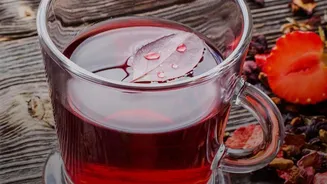
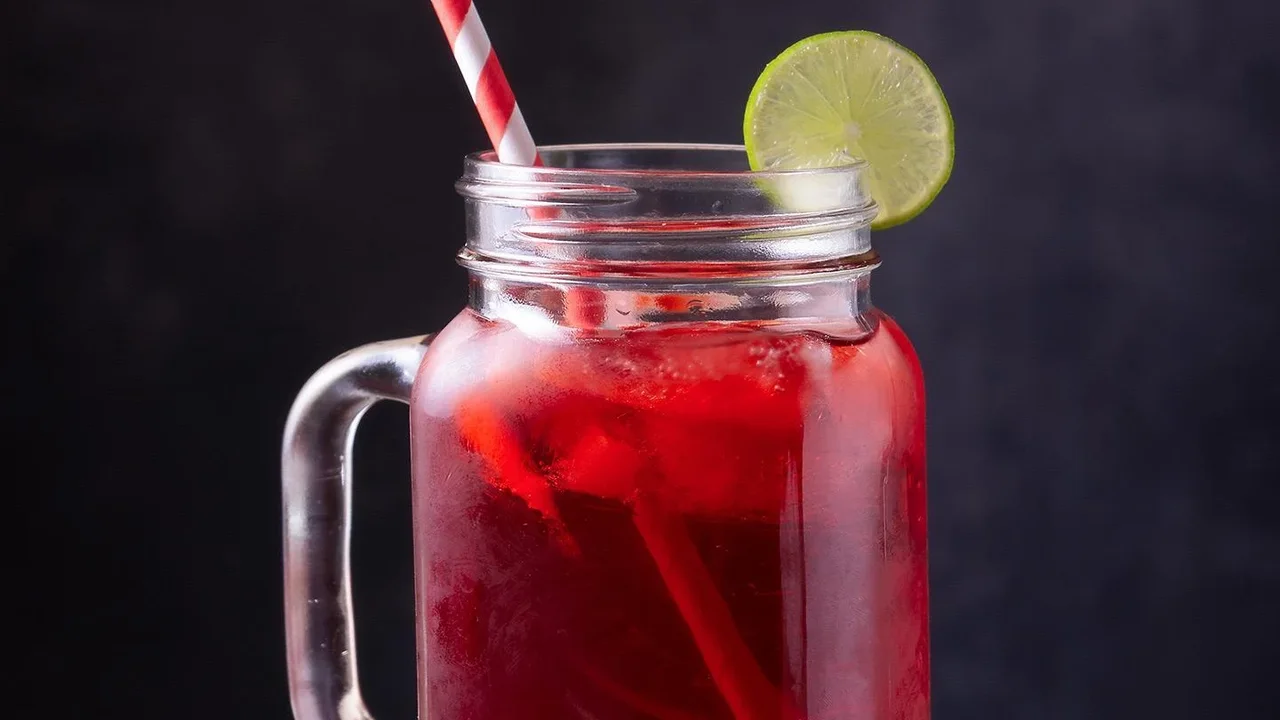
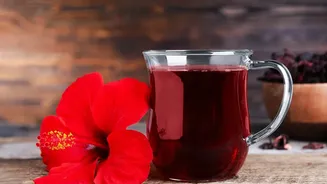
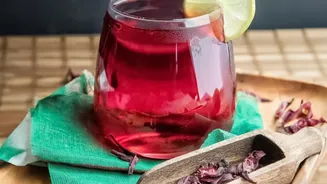
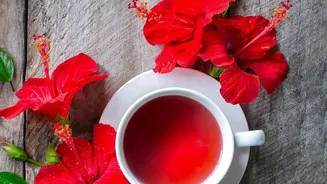
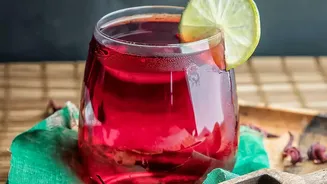
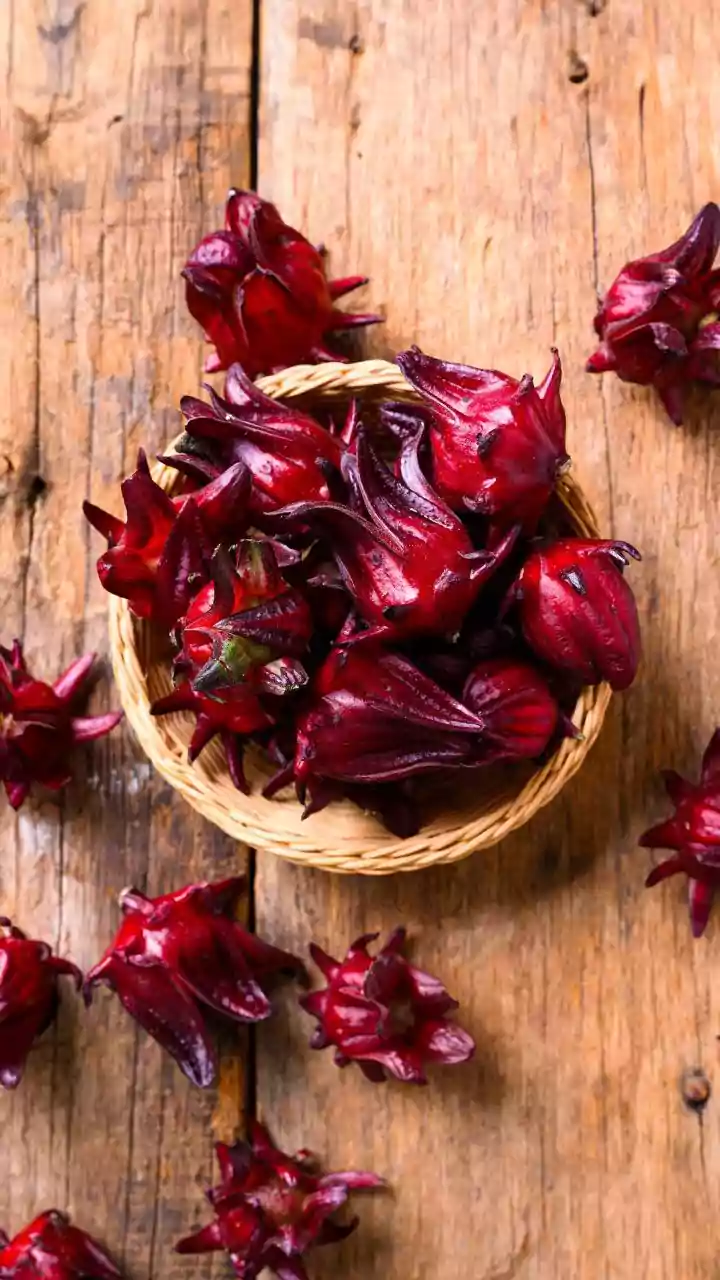
Known as 'Gudhal' in Hindi, the hibiscus flower is a powerhouse of flavour and colour. When steeped, its petals release a stunning, deep ruby hue and a tart, fruity flavour often compared to cranberries. This makes it a perfect base for a cold tea infusion, lending both a beautiful aesthetic and a zesty taste. Traditionally, hibiscus tea is enjoyed for its wellness properties; it is packed with antioxidants and Vitamin C. Instead of a synthetic red syrup, a simple infusion of dried hibiscus flowers can be sweetened lightly with honey or jaggery to create a syrup that is both delicious and vibrant. It pairs wonderfully with black tea or stands alone as a refreshing herbal cooler.
Lemongrass: A Hint of Citrus Zing
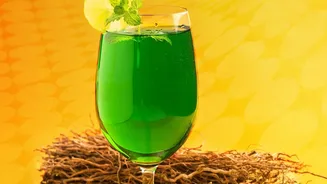
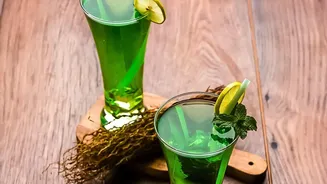
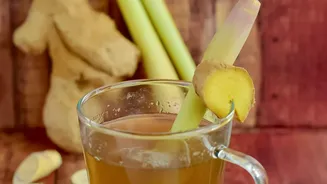
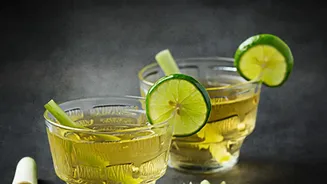
This humble grass, a staple in Southeast Asian cooking, brings a bright, lemony aroma and a crisp, clean flavour without the acidity of actual lemons. Lemongrass is incredibly easy to grow in a home garden and can be used fresh or dried. In traditional medicine, it’s often used to aid digestion, reduce anxiety, and for its anti-inflammatory properties. A simple lemongrass-infused water makes a wonderfully fragrant base for green or white iced teas. For a sweeter touch, simmering lemongrass stalks with a bit of sugar and water creates a delicate syrup that adds a sophisticated, citrusy note far superior to any artificial lemon flavouring. Its natural compounds are believed to support overall wellness, making it a functional and flavourful choice.
Butterfly Pea Flower: Nature’s Colour-Changing Magic
Known in India as 'Aparajita', the butterfly pea flower yields a brilliant blue infusion that is almost otherworldly. This botanical is naturally caffeine-free and has a subtle, earthy flavour. Its most stunning feature, however, is its ability to change colour. The addition of an acid, like a squeeze of lime or lemon juice, transforms the deep blue liquid into a vibrant purple or fuchsia. This natural spectacle makes it a favourite for creating visually striking beverages without a drop of artificial dye. Used for centuries in Ayurvedic traditions, the flower is valued for its antioxidant properties. It offers a fun, interactive, and all-natural way to elevate a simple glass of iced tea.
Himalayan Rhododendron: A Floral Mountain Delight
In the hills of the Himalayas, the 'Buransh' or Rhododendron flower is a celebrated seasonal treasure. Its juice and squash are beloved local remedies and refreshing summer coolers. The flowers have a unique floral and slightly sweet-sour taste. Traditionally, Buransh juice is consumed for its potential health benefits, which locals believe support heart health and digestion due to its rich antioxidant content. While fresh flowers are a regional speciality, rhododendron syrups and squashes are available more widely and offer a taste of the mountains. They provide a complex, floral sweetness that artificial syrups simply cannot replicate, adding a truly special dimension to iced beverages.
Making Your Own Botanical Infusion
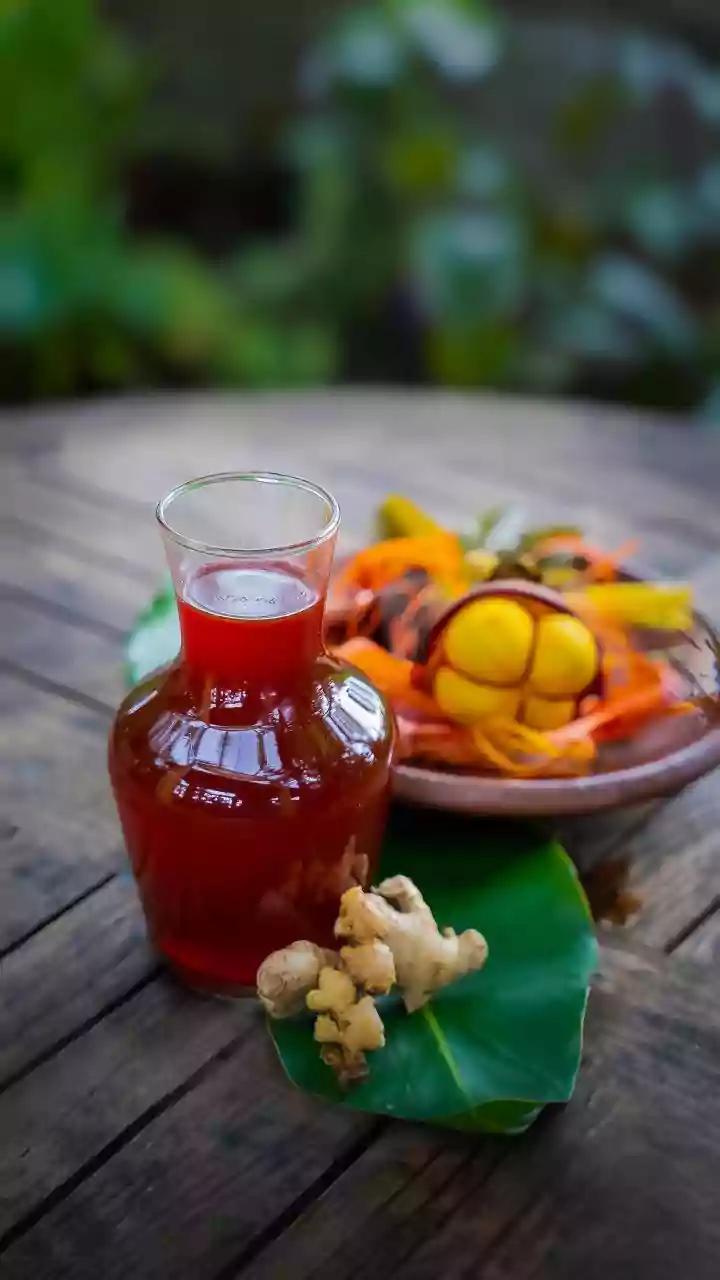
Creating your own natural flavouring is surprisingly simple. Start by making a strong infusion or 'tea' with your chosen botanical. Use a generous amount of dried hibiscus flowers, a few stalks of bruised lemongrass, or a handful of butterfly pea flowers in hot water. Let it steep for at least 15-20 minutes—or even a couple of hours for a stronger concentrate. Strain the liquid carefully. To turn this into a syrup, gently heat the infusion in a pan and dissolve sugar, honey, or jaggery to your desired level of sweetness (a 1:1 ratio of liquid to sugar is standard for simple syrup, but you can use far less). Let it cool completely and store it in a clean bottle in the refrigerator. Your homemade botanical syrup is now ready to transform your cold teas.