




The Morning Advantage: Energy and Mobility
Practicing yoga shortly after waking can be a powerful way to set a positive tone for the day. A morning session works in harmony with your body's natural circadian rhythm. Your body experiences a natural rise in the hormone cortisol, which helps you feel
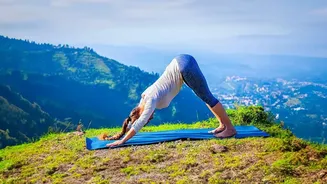
alert. A dynamic morning practice, like a Vinyasa flow or a series of Sun Salutations, can increase circulation and oxygen delivery, acting as a natural alternative to that first cup of coffee. While your muscles might feel stiffer first thing, a gentle warm-up followed by consistent morning yoga can gradually increase your flexibility and range of motion over time. This helps lubricate the joints and prepare your body for the day's activities, potentially reducing stiffness and improving overall mobility.
Designing Your Morning Practice
To make the most of a morning session, focus on poses that build heat and awaken the body. Sun Salutations (Surya Namaskar) are a classic choice for stimulating muscles and promoting alertness. Incorporating dynamic movements and breath-led flows helps to invigorate both body and mind. Twisting poses can also be beneficial in the morning, as they are thought to help kickstart your metabolism and aid digestion for the day ahead. Since your mind is often clearer and less cluttered with the day's concerns, morning is also an ideal time to set an intention, cultivating mindfulness that can carry you through the day.
The Evening Wind-Down: Relaxation and Sleep
As the day winds down, the focus of a yoga practice often shifts from building energy to releasing tension. An evening session can act as a powerful buffer between a busy day and a restful night, helping you to decompress and let go of accumulated physical and mental stress. The magic of evening yoga lies in its ability to activate the parasympathetic nervous system, often called the "rest-and-digest" response. This biological shift helps lower your heart rate, reduce stress hormone levels like cortisol, and calm the mind, preparing you for deeper, more restorative sleep. Studies have shown that a regular evening yoga practice can improve sleep quality and duration, and may even help manage insomnia.
Crafting Your Evening Ritual
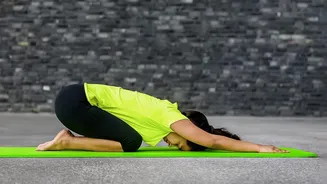
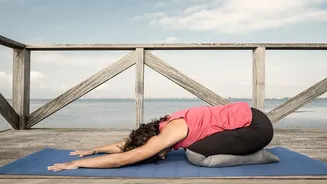
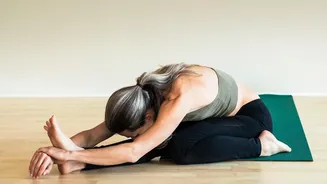
For an evening practice, it's best to avoid intense, stimulating sequences that can raise your heart rate and make it harder to sleep. Instead, opt for slower, more restorative styles like Yin Yoga or a gentle Hatha class. Focus on poses that release tightness in common areas of tension like the hips, shoulders, and lower back. Restorative poses such as Child's Pose (Balasana) and Legs-Up-The-Wall Pose (Viparita Karani) are particularly effective at calming the nervous system. Combining these gentle movements with slow, conscious breathing techniques signals to your body that it is time to unwind, reducing anxiety and quieting the mental chatter that can interfere with sleep.