




The Lifeline for Agriculture
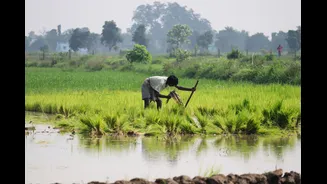
In a country where the monsoon delivers over 70% of the annual rainfall, its prediction is everything for the agricultural sector. This single forecast dictates the livelihoods of millions of farmers who depend on rain-fed agriculture. An accurate prediction of the monsoon's
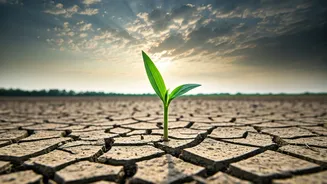
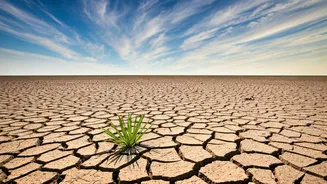
arrival and intensity helps farmers make crucial decisions: when to sow their fields, what crops to plant, and how much to invest in seeds and fertilisers. A forecast for a strong, early monsoon might encourage planting water-intensive cash crops like cotton or sugarcane. A delayed or weak forecast might lead them to choose hardier, lower-yield crops to minimise risk. Getting this timing right is the difference between a bumper harvest that boosts rural incomes and a failed crop that can push families into debt.
Fueling the National Economy
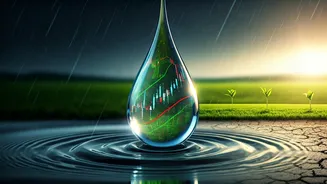
The ripple effects of the monsoon travel directly from the farm to the stock market. Agriculture contributes significantly to India's GDP, so a good monsoon season can directly boost national economic growth. Bountiful harvests lead to higher rural incomes, which in turn increases demand for everything from tractors and fertilisers to consumer goods. This keeps factory production lines moving and retail markets busy. Furthermore, strong agricultural output helps keep food prices stable, controlling inflation that affects every household's budget. The monsoon also replenishes reservoirs, which is critical for hydropower, a key source of electricity in the country. A weak monsoon can strain the power grid, increase the need for costly food imports, and put pressure on government finances.
Guarding Urban Spaces
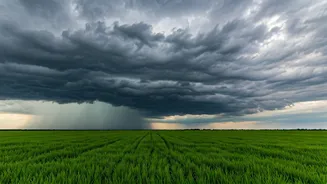
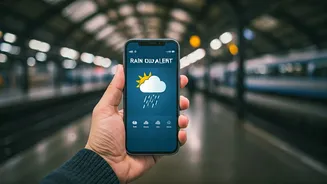
As India's cities grow, they become more vulnerable to flooding. Paved surfaces prevent rainwater from soaking into the ground, and outdated or clogged drainage systems are easily overwhelmed by the intense downpours that are becoming more frequent. Cities like Mumbai, Chennai, and Bengaluru have repeatedly faced devastating floods that bring urban life to a standstill. Here, rainfall prediction transforms from an agricultural tool into a critical instrument for urban disaster management. Accurate, short-term forecasts give municipal authorities precious hours to prepare. This includes pre-positioning water pumps, clearing drains, and issuing timely warnings to the public. Advanced systems like the Integrated Flood Warning System (IFLOWS) in Mumbai and Chennai use real-time rainfall data to predict flooding hotspots, helping to save lives and property.
A Matter of Public Health and Safety
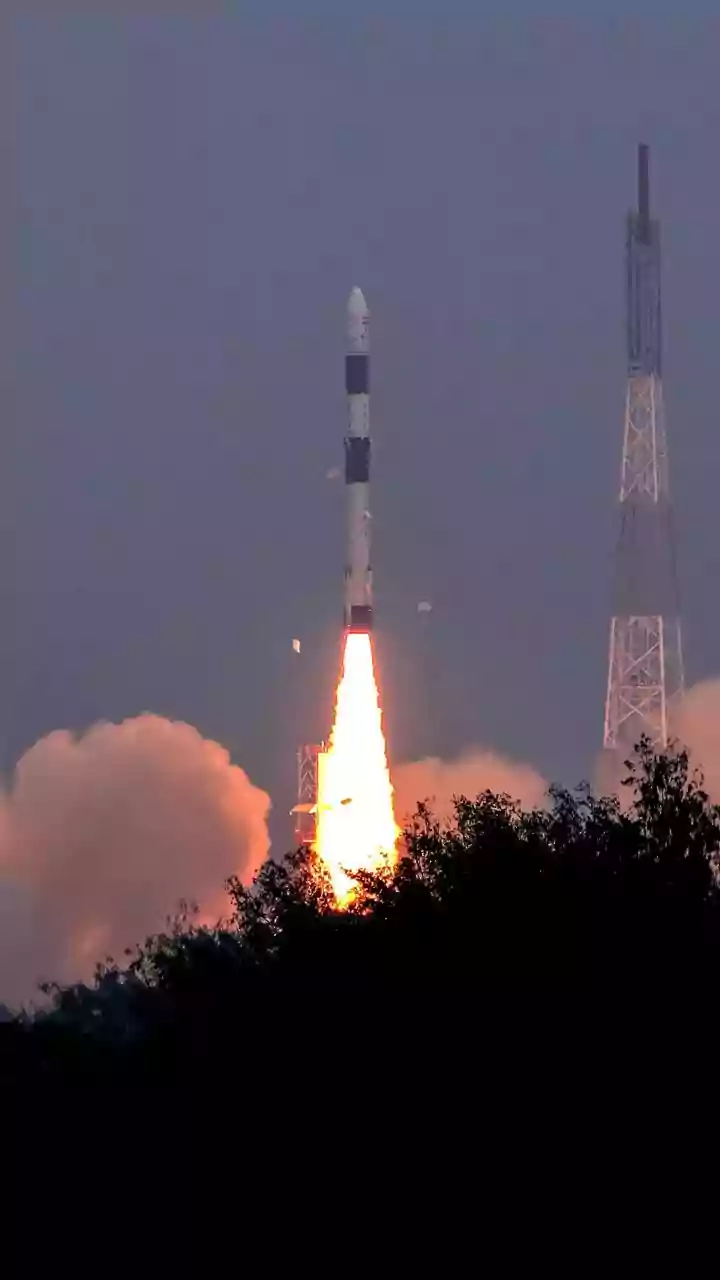
The importance of weather prediction extends directly to public health and safety. The India Meteorological Department (IMD) is on the frontline of disaster management, issuing early warnings for cyclones, severe storms, and heatwaves. These alerts are crucial for enabling authorities to conduct large-scale evacuations and prepare response teams, a process that has drastically reduced the loss of life from extreme weather events in recent decades. After heavy rains, predictions help health authorities anticipate and prepare for potential outbreaks of water-borne diseases like cholera and dengue, which often follow flooding events. By knowing where and when extreme weather will hit, officials can better protect communities from both the immediate impact and the secondary health crises that follow.