

The Great Weekend Escape
There’s a quiet revolution happening across urban India. Faced with the relentless pace of city life, professionals and families are increasingly seeking refuge not in distant holiday spots, but in the accessible wilderness that lies just a few hours'
drive away. This isn't just about a change of scenery; it's a deliberate choice to disconnect from screens and reconnect with something more fundamental. The trend reflects a broader shift in travel priorities where the goal is no longer just sightseeing, but rejuvenation. As incomes rise and infrastructure improves, the weekend getaway has transformed from an occasional luxury into a regular habit, with nature-based tourism emerging as a powerful antidote to urban burnout.
Monsoon's Magnetic Pull
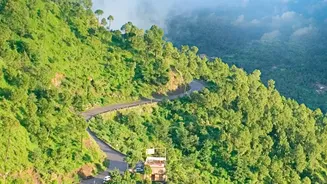
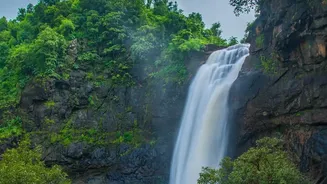
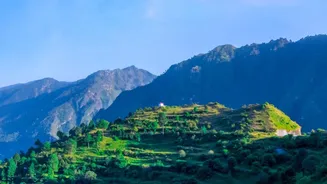
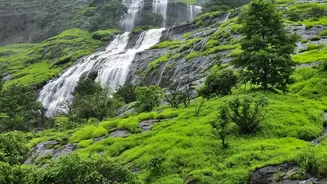
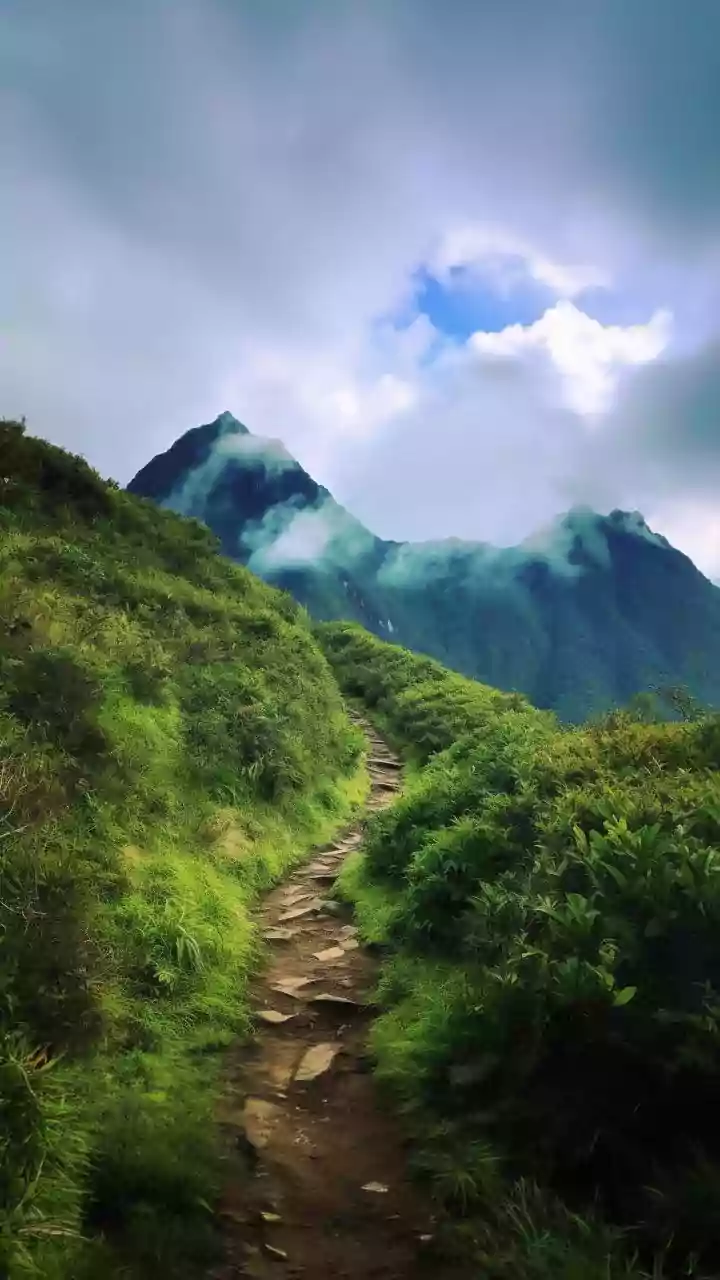
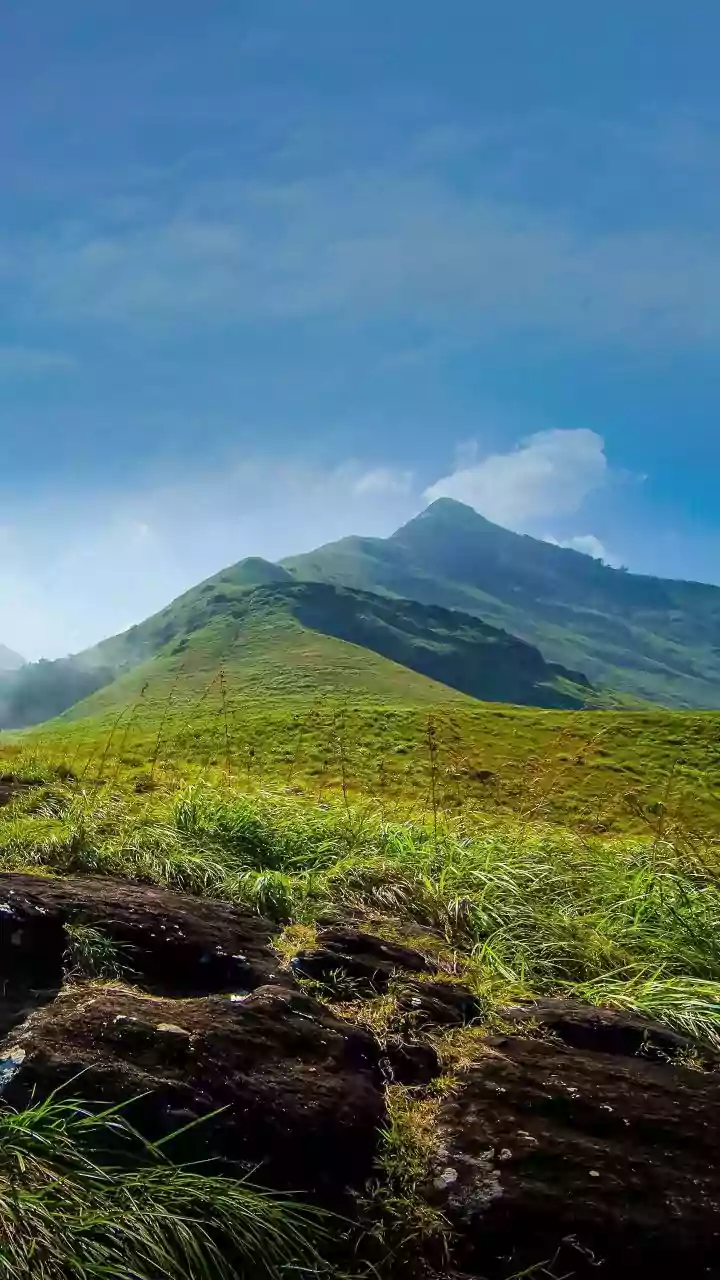
While travel once slowed during the rains, the monsoon is now the main attraction for many. From June to September, landscapes across the country undergo a dramatic transformation. Hillsides erupt in vibrant shades of green, and waterfalls that are mere trickles in the summer become thunderous spectacles. Destinations in the Western Ghats, such as Lonavala, Mahabaleshwar, and Malshej Ghat in Maharashtra, become prime spots for short trips from Mumbai and Pune. Here, seasonal falls cascade directly onto the roads, and valleys fill with low-hanging clouds, creating a dream-like atmosphere that feels a world away from the city.
Where Clouds Kiss The Earth
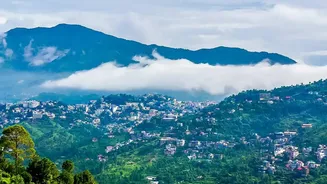
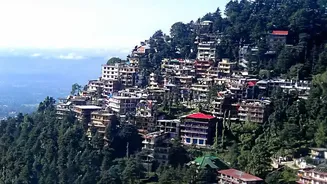
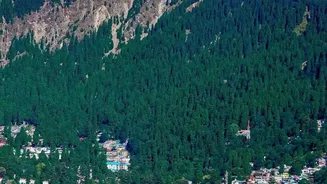
The allure of misty mountains is universal, and India offers a wealth of destinations where one can literally walk through the clouds. In the south, Coorg in Karnataka, often called the 'Scotland of India', offers emerald landscapes enveloped in fog, its air thick with the smell of coffee and spice. Similarly, Munnar in Kerala provides breathtaking views of mist-covered tea gardens, with viewpoints like Top Station often completely fogged out during peak rain. Further north, Himalayan hill stations like Mussoorie and Darjeeling offer their own brand of misty magic, with views of green valleys and, on a clear day, snow-capped peaks. These places are not just visited for their views but for the serene, calming environment the mist creates.
More Than Just a Pretty Picture
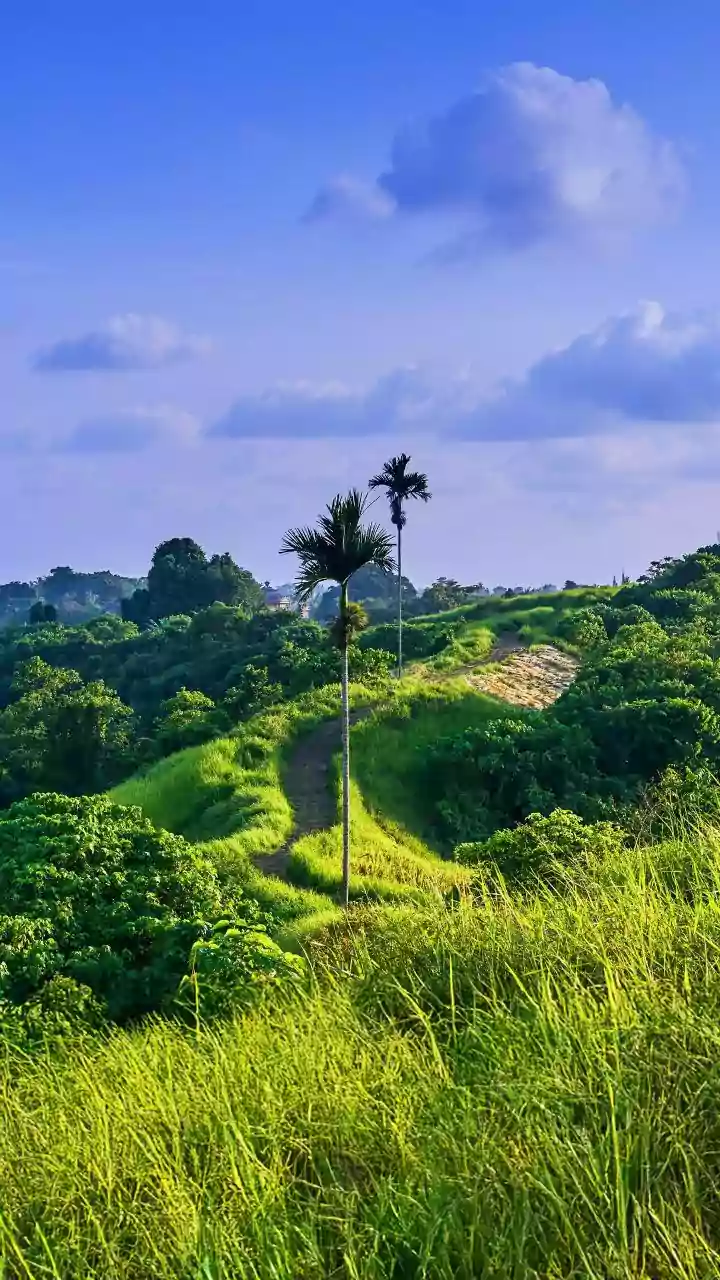
This trend is about more than just capturing photogenic landscapes for social media. It's deeply linked to wellness and mental health. The Japanese practice of 'Shinrin-yoku' or 'forest bathing'—mindfully immersing oneself in nature—is gaining popularity in India as a way to de-stress. Therapists note that being in nature helps regulate the nervous system by quieting the constant information overload of urban environments. The abundance of fresh air, the sounds of birdsong, and the simple act of walking on an unpaved trail can have a profound impact on mental well-being, providing a sense of peace that lingers long after the weekend is over.