






The Dark Store Dilemma
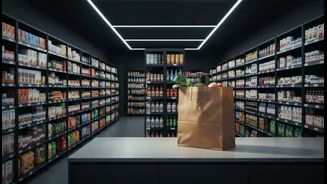
The engine of quick commerce isn't your neighbourhood kirana store; it's a network of 'dark stores'. These are small, strategically located warehouses that function purely as fulfilment centres, not open to the public. Stocked with thousands of high-demand
items, they enable delivery partners to pick up and dispatch orders in minutes. While this model is incredibly efficient for speed, it concentrates the challenges of food storage and handling. Instead of a single large warehouse, companies must manage inventory, temperature, and hygiene across dozens of smaller locations, each operating under immense time pressure. This decentralised network multiplies the potential points of failure, where a lapse in protocol at just one dark store can directly impact the safety of food delivered to nearby homes.
The Race Against Spoilage
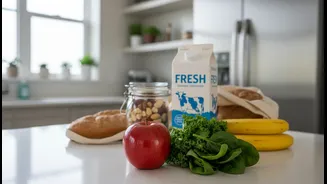
For fresh produce, dairy, and meat, the clock is always ticking. The journey from the supplier to the dark store and finally to your doorstep is a race against spoilage. The core of this challenge lies in maintaining the 'cold chain'—an unbroken, temperature-controlled supply line. Items like milk, curd, frozen foods, and fresh meat require constant refrigeration to prevent bacterial growth and maintain quality. However, the quick-commerce model introduces new risks. Frequent opening of freezers in dark stores to fulfil a constant stream of orders can cause temperature fluctuations. Furthermore, the final leg of the journey, often in a standard delivery bag on a two-wheeler, can represent a critical break in this cold chain, especially during India’s hot summer months. Even a short period of exposure to higher temperatures can be enough to compromise product safety and quality.
The Expiry Date Gamble
One of the most common consumer complaints involves receiving products that are either expired or alarmingly close to their expiry date. In a traditional supermarket, you can pick up a carton of milk and check the date yourself. In q-commerce, you place your trust in the platform's inventory management system. Ideally, these systems operate on a 'First-Expired, First-Out' (FEFO) principle, ensuring older stock is sold first. However, under the pressure to pack orders in minutes, mistakes can happen. Staff might grab the most accessible item, not the one that needs to be sold first. Compounding this issue, many quick-commerce apps do not consistently display 'best before' or expiry dates on their product listings, leaving consumers in the dark until the order arrives at their door. This lack of pre-purchase transparency removes a crucial layer of consumer choice and control.
When Checks and Balances Fail
Recent actions by the Food Safety and Standards Authority of India (FSSAI) highlight what happens when these systems fail. In mid-2026, the regulator issued multiple notices to a major quick-commerce platform following a wave of consumer complaints. These were not minor issues; they involved serious allegations, such as the delivery of spoiled eggs, expired whey protein, and even baby formula that appeared deteriorated and improperly stored. Such incidents reveal significant gaps in quality control. They suggest that in some cases, the focus on 10-minute delivery targets may be overshadowing fundamental safety protocols, from verifying supplier licenses to ensuring proper stock rotation and handling within the dark stores. When a consumer receives a rotten or expired product, it's not just an inconvenience; it's a breach of trust and a potential health hazard.
Regulation and Responsibility
In response to the booming online grocery market, the FSSAI has made it clear that quick-commerce platforms are not just tech intermediaries but are classified as Food Business Operators (FBOs). This holds them responsible for the entire supply chain. Regulations mandate that these platforms and their associated dark stores must hold valid FSSAI licenses. They are required to ensure that all listed sellers are also compliant and that all food handlers receive mandatory safety and hygiene training. One critical rule states that delivered products must have at least 30% of their shelf life remaining or be at least 45 days from expiry. These regulations provide a framework for accountability, giving the authority the power to inspect facilities and take action against non-compliance to protect consumer health.
Your Role as the Final Quality Check
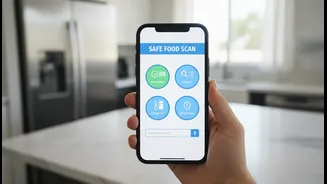
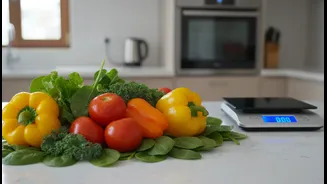
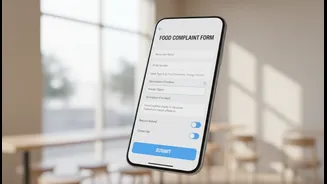
While regulators and companies have a significant role to play, the final line of defence is often the consumer. Given the pace and nature of quick commerce, it is crucial to cultivate a habit of vigilance. Upon receiving your order, take a moment to inspect perishable and packaged items. Check for intact seals, signs of damage, and, most importantly, the manufacturing and expiry dates. For fresh produce, trust your senses—look for signs of wilting, mould, or off-smells. If you receive a product that is expired, spoiled, or seems unsafe, report it to the platform immediately. If the issue is not resolved satisfactorily, you can file a formal complaint on the FSSAI's 'Food Safety Connect' app or portal. Your feedback not only helps you get a refund but also provides valuable data that can help regulators identify and address systemic problems.