





Essential Monsoon Balcony Care
Before we dive into the flowers, a few care essentials will ensure your balcony garden thrives. The biggest challenge during the monsoon is not a lack of water, but too much of it. The primary risks are root rot from waterlogged soil, fungal diseases
due to high humidity, and pest infestations. The single most important rule is ensuring every pot has clear drainage holes. You can even elevate pots on bricks or stands to help excess water escape. It is also wise to prepare a spray of neem oil, which acts as a natural fungicide and pesticide, and apply it every 10 to 14 days to prevent common issues. Finally, avoid the temptation to fertilize during heavy rains; constant water leaches nutrients and can cause fertilizer to burn waterlogged roots.
Hibiscus: The Tropical Staple
A favourite in Indian gardens, the hibiscus truly comes alive during the monsoon, producing its large, trumpet-shaped flowers generously. Available in a stunning array of reds, pinks, yellows, and oranges, it adds a vibrant, tropical feel to any space and is excellent for attracting butterflies. Hibiscus loves moisture and humidity, so it requires very little special attention during the rains. Plant it in a well-draining pot and ensure it gets a few hours of sunlight. Pruning it lightly before the monsoon can encourage even more blooms throughout the season.
Marigold: Cheerful and Resilient
Marigolds are a classic for a reason. These cheerful gold and orange flowers are incredibly resilient and continue to bloom brightly even through consistent showers. They are a staple in Indian households for festive decorations and prayers, and their ability to thrive in the monsoon makes them a balcony garden essential. They are relatively low-maintenance, but do require well-aerated soil to prevent the roots from sitting in water. Spacing out your marigold pots will improve air circulation and reduce the risk of fungal infections that can occur in humid weather.
Balsam: The Monsoon Favourite
Often called 'Gulmehndi', balsam is one of the easiest and fastest-growing flowering plants for the rainy season. Sowing the seeds in June can lead to beautiful blooms by July or August. Its soft, camellia-like flowers appear in lovely shades of pink, white, and violet directly on the stem. Balsam thrives in the high humidity and consistent moisture of the monsoon. It does well in pots and hanging baskets, adding a delicate touch of colour to your balcony railings. Just ensure the container has good drainage, as with all monsoon plants.
Zinnia and Cosmos: The Cut-and-Come-Again Flowers
For a splash of varied colour, Zinnias and Cosmos are an excellent choice. Their airy, daisy-like blooms stand up well to downpours and are beloved by butterflies. These flowers are known as 'cut-and-come-again' plants because the more you cut the flowers for display, the more the plant is encouraged to produce new blooms. They grow quickly from seed and come in a rainbow of colours, from bright pinks and purples to oranges and whites. Both prefer full sun, so place them in the sunniest spot on your balcony for the best results.
Rain Lily: The Magical Monsoon Bloom
As its name suggests, the Rain Lily is a flower that is synonymous with the monsoon. These charming plants produce delicate, star-shaped flowers that often emerge magically just after a rain shower. They are grown from bulbs and are incredibly low-maintenance, making them perfect for beginner gardeners. Available in pink, white, and yellow, they look wonderful planted in clusters in a wide, shallow pot. They don't need much care, but they do need water to trigger their blooming cycle, a need that the monsoon easily fulfils.
Jasmine (Mogra): Fragrance for Rainy Evenings
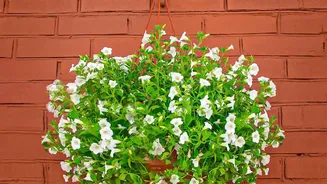
There are few things more pleasant than the scent of jasmine on a cool, rainy evening. Mogra and other jasmine varieties thrive in the rising humidity of the monsoon, often producing more of their intensely fragrant white flowers during this season. While it can be grown as a bush, it also works well as a climber on a small trellis against a balcony wall. It needs a sunny spot and well-draining soil. Regular pruning after a flowering spell will keep the plant healthy and encourage a continuous supply of these perfumed blossoms.