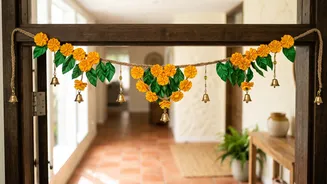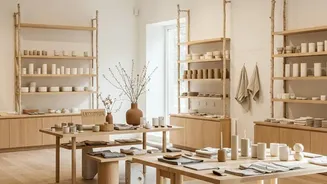




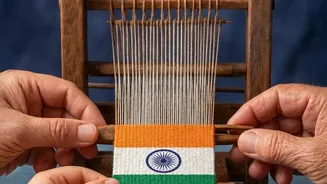
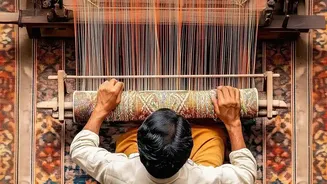
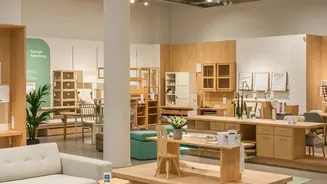
Look inside a stylish, modern Indian home today, and you might notice a quiet rebellion. Mass-produced decor is making way for pieces with soul—objects that tell a story. This isn't just about aesthetics; it's a significant cultural shift.
A Search for Soulful Spaces
For years, global
design trends favoured minimalist, almost anonymous, interiors. But a growing number of Indian homeowners are now consciously moving away from this one-size-fits-all approach. They are seeking authenticity and a deeper connection to their roots, which mass-produced items often lack. A handcrafted piece, with its minor imperfections and unique character, offers something more: a story, a sense of history, and a human touch. This desire for individuality is transforming living spaces from mere showrooms into personal sanctuaries that reflect identity and heritage. Each artisan-made item, whether a Dhokra sculpture or a hand-carved wooden panel, carries the imprint of its maker, bringing a unique and soulful energy into the home that factory-made products cannot replicate.
The Rise of Conscious Consumerism
Sustainability is no longer a niche concept; it's a core value driving purchasing decisions, especially among younger homeowners. The trend towards artisanal work is deeply intertwined with this eco-conscious mindset. Handcrafted goods are often made from natural, locally sourced materials like bamboo, jute, terracotta, and reclaimed wood, which have a much lower environmental footprint than their industrial counterparts. By choosing items made with traditional, less-polluting methods, consumers are making an ethical choice. This 'buy less, but better' philosophy favours durable, timeless pieces over disposable trends, aligning with a more mindful and sustainable way of living.
Championing India’s Artisans
This design trend has a powerful socio-economic impact. For generations, India’s rich and diverse craft traditions have been at risk, with skilled artisans leaving their ancestral trades for more stable urban jobs. The renewed interest in their work is a lifeline. When homeowners and designers choose to buy handcrafted decor, they are directly supporting these artisan communities, helping to preserve invaluable cultural heritage and ensuring these skills are passed down. This movement creates a vital ecosystem where traditional craftsmanship is not just preserved but is seen as economically viable and culturally relevant in the 21st century.
A Modern Twist on Tradition
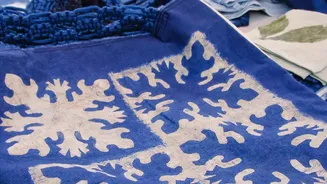
Highlighting artisanal work doesn't mean creating a home that looks like a museum. On the contrary, designers are ingeniously blending traditional crafts with contemporary aesthetics. Think of a minimalist apartment featuring a single, stunning piece of Gond art, or a sleek dining room with chairs that incorporate Pattamadai mat weaving. Traditional fabrics like Ikat, Kalamkari, and block prints are being used for cushions, upholstery, and wall hangings, adding texture and character to modern spaces. This fusion allows heritage and modernity to coexist, creating interiors that feel both grounded in Indian culture and globally relevant.