



Why Protein is a Post-Workout Priority
Every time you lift, run, or engage in strenuous exercise, you create tiny micro-tears in your muscle fibres. This is a normal part of getting stronger. For these muscles to repair, rebuild, and grow, they need protein. Consuming protein shortly after
a workout provides your body with the necessary amino acids to kickstart this recovery process. This not only helps in building lean muscle but also reduces muscle soreness and prepares you for your next session. An ideal post-workout meal should contain a good balance of protein to repair tissues and complex carbohydrates to replenish the energy (glycogen) stores you just depleted.
Meet Sattu: The Desi Superfood
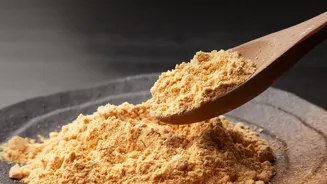
Sattu is a flour made from roasted Bengal gram (chana) and has been a dietary staple in states like Bihar, Jharkhand, and Uttar Pradesh for generations. Often called the 'poor man's protein', its nutritional profile is anything but poor. A 100-gram serving of chickpea-based sattu packs around 20 to 25 grams of plant-based protein, making it a formidable competitor to many commercial protein powders. Beyond protein, it is rich in dietary fibre, iron, magnesium, and other essential minerals. Its high fibre content aids digestion and promotes a feeling of fullness, which can help with weight management.
The Sattu Advantage After the Gym
What makes sattu particularly great for post-workout fuel is its composition. It delivers high-quality protein for muscle repair and complex carbohydrates that provide a slow, sustained release of energy, preventing the dreaded post-exercise crash. Unlike some heavy protein shakes, sattu is known for being light on the stomach and easy to digest. Traditionally consumed as a cooling drink (sharbat) in the summer, it also helps in hydration and replenishing electrolytes lost through sweat. It’s a natural, affordable, and sustainable option, free from the artificial additives and sugars often found in processed supplements.
The Anatomy of a Perfect Sattu Smoothie Bowl
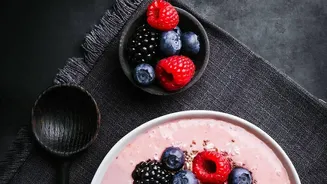
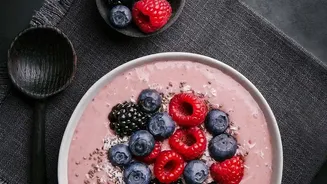
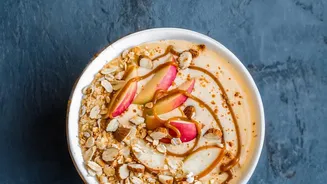
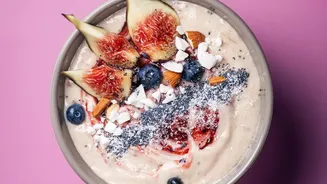
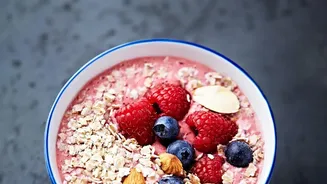
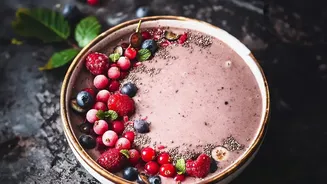
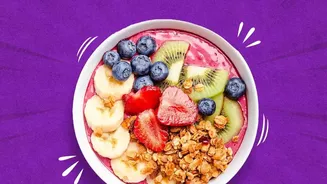
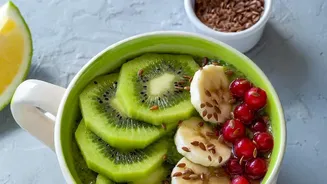
Transforming sattu from a simple drink into a satisfying smoothie bowl is easy. The goal is to create a thick, spoonable consistency. Start by blending a few tablespoons of sattu with a liquid base like milk, plant-based milk (like almond or oat), or even curd. A ripe banana is a great addition for natural sweetness and creaminess. From there, you can customise it to your heart's content. The key is the ratio: use less liquid than you would for a drinkable smoothie. Once you have your thick base, pour it into a bowl and get ready for the best part—the toppings, which add texture, flavour, and extra nutrients.
Three Smoothie Bowls to Get You Started
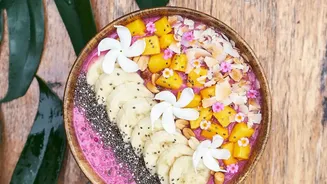
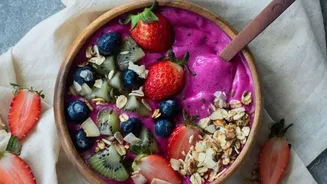
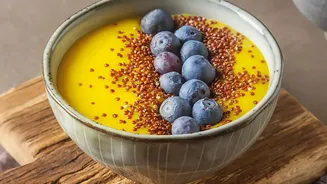
1. The Classic Sweet and Salty Bowl: Blend 3-4 tablespoons of sattu, 1 ripe banana, and 1/2 cup of cold milk or curd. Add a pinch of black salt and a small piece of jaggery (gur) or a pitted date for sweetness. Blend until thick and creamy. Pour into a bowl and top with toasted pumpkin seeds, a few pomegranate arils, and a sprinkle of roasted cumin powder. 2. The Chocolate Peanut Butter Power Bowl: For a more decadent treat, blend 3 tablespoons of sattu, 1 tablespoon of unsweetened cocoa powder, 1 tablespoon of peanut butter, 1 ripe banana, and 1/2 cup of almond milk. This combination is a protein powerhouse. Top with sliced banana, a few chopped almonds, and some chia seeds for an extra boost of fibre and healthy fats. 3. The Tropical Mango Refresher: When mangoes are in season, this is a must-try. Blend 3 tablespoons of sattu with 1/2 cup of fresh mango chunks, 1/2 cup of coconut water or milk, and a pinch of cardamom. The coconut water adds natural electrolytes for superior hydration. Top with more mango chunks, a sprinkle of coconut flakes, and a few mint leaves for a refreshing finish.