





From Packets to Plates
The playbook for Indian food brands on the global stage was once simple: export packaged snacks, sweets, and spices to cater to the diaspora and a growing number of curious international consumers. Companies like Haldiram's, Bikano, and MTR Foods mastered
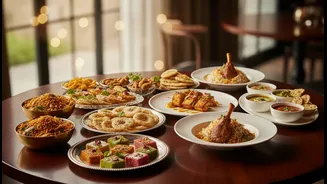
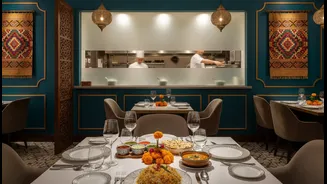
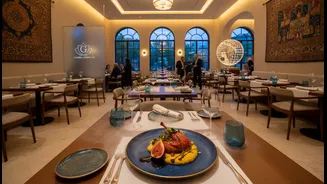
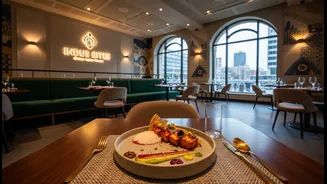
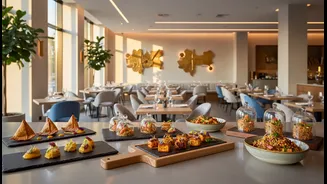
this, building empires on the back of products that promised an authentic taste of home. But a strategic evolution is underway. These giants are no longer content with just being in your pantry; they want to serve you dinner, too. They are aggressively expanding into the restaurant business, transitioning from product manufacturers to full-fledged hospitality players. This move involves opening quick-service restaurants (QSRs) and casual dining outlets in high-potential international markets like the UAE, UK, and North America.
The Strategic Recipe for Expansion
This shift is driven by powerful business logic. First and foremost is brand leverage. A customer in Canada or the UK who trusts Bikano's packaged sweets is more likely to visit a Bikano restaurant. It's a built-in advantage over starting from scratch. Second, restaurants offer higher profit margins compared to retail products and give companies total control over the customer experience—from the recipe's authenticity to the service quality. These restaurants also serve as powerful marketing hubs. A positive dining experience at a Haldiram's in London not only creates a loyal restaurant customer but also reinforces the quality of its packaged goods in the supermarket aisle next door. This creates a self-reinforcing cycle of brand loyalty and growth.
A Standardised Taste of India
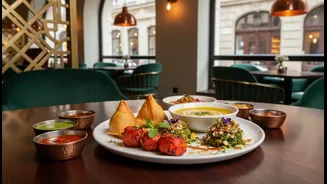
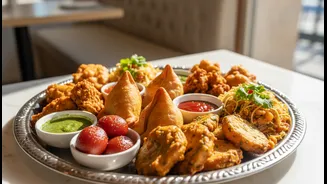
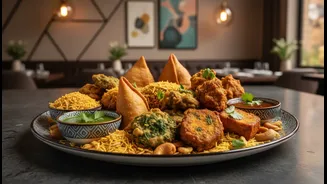
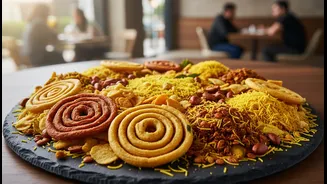
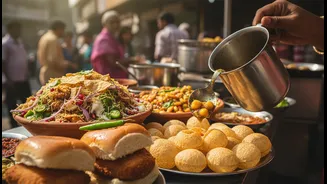
Unlike independent, chef-driven Indian restaurants, the key to this corporate expansion is standardisation. Brands like Haldiram's and Bengaluru's iconic MTR, which has outposts in Singapore and Dubai, are succeeding by creating a consistent, scalable model. They offer a greatest-hits menu of popular dishes like chole bhature, dosas, and chaat, ensuring that the flavour profile is nearly identical whether you're in Delhi or Dubai. This is achieved through centralised production of key ingredients like masalas and pre-mixes, which are then exported to their global kitchens. This QSR-style approach ensures quality control and operational efficiency, allowing for rapid scaling through a mix of company-owned outlets and franchise partners.
Navigating the Global Palate
The path to global domination is not without its challenges. One of the biggest hurdles is navigating the complex web of international food safety regulations, which can differ dramatically from country to country. A sterilising agent permitted in India, for example, might lead to a product ban in Europe. Another challenge is adapting to local tastes without diluting the brand's authenticity. While the diaspora may crave uncompromising flavours, winning over mainstream consumers sometimes requires adjustments, like offering milder spice options. Finally, there is the high cost of real estate in global hubs and intense competition from both established local Indian eateries and major international fast-food chains. Brands also face legal battles, such as fighting 'trademark squatters' who register their name in foreign markets.