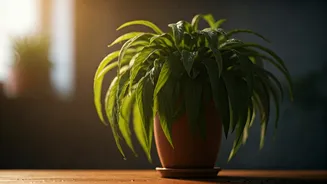






1. Rethink Your Watering Schedule
The single biggest mistake in monsoon plant care is overwatering. With higher humidity and less sunlight, the soil in your pots will stay wet for much longer. Before you even think about watering, use the finger test: insert your finger about an inch
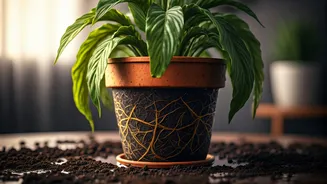
into the soil. If it feels damp, wait another day or two. When you do water, do so lightly. Indoor plants need significantly less water during the rainy season compared to summer. Signs of overwatering include yellowing leaves, mushy stems, and a foul smell from the soil, which are signals of root rot, a common monsoon ailment.
2. Prioritise Drainage and Airflow
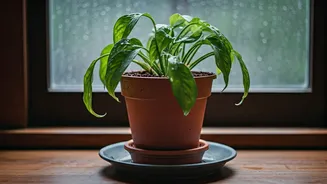
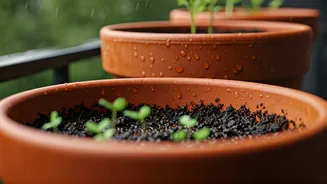
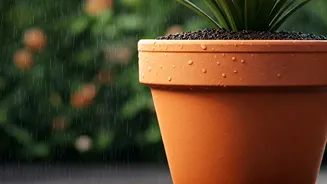
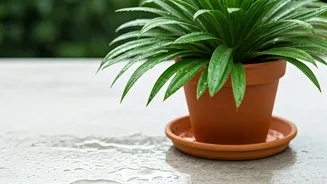
Good drainage is non-negotiable during the monsoon to prevent waterlogging, which suffocates roots and leads to rot. Ensure every pot has drainage holes at the bottom. If your pots sit on trays, be sure to empty any collected water promptly. You can even elevate pots slightly on bricks or stands to improve airflow underneath. For an extra line of defence, use a well-draining potting mix containing materials like coco peat, sand, or perlite. Terracotta pots are also a great choice as their porous nature allows soil to breathe.
3. Maximise Available Light
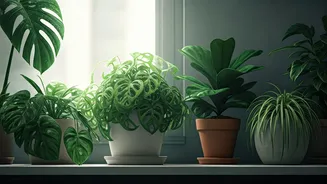
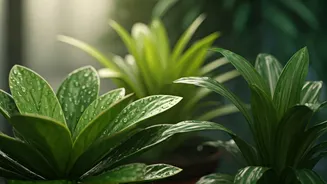
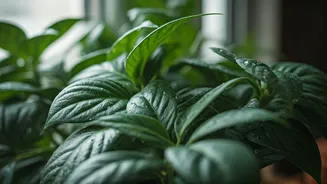
Monsoon skies mean significantly less natural light, which can slow your plant's growth. To compensate, move your plants to the brightest possible location in your home, such as near an east-facing window that gets gentle morning sun. Clean your windows and the leaves of your plants with a soft, damp cloth. This simple step removes dust and helps the plant absorb what little light is available more efficiently. Rotating your pots every few days will also ensure all sides of the plant get some light exposure.
4. Be Vigilant About Pests and Fungi
The damp, humid conditions of the monsoon are a breeding ground for pests and fungal diseases. Common culprits include mealybugs, which look like small cottony fluff, fungus gnats hovering around the soil, and fungal spots on leaves. Inspect your plants every few days, paying close attention to the undersides of leaves and where the leaf meets the stem. For many common pests, a simple spray of neem oil or a soap water solution can be an effective, organic treatment. To prevent fungal growth, ensure good air circulation between plants and avoid getting the leaves wet when you water.
5. Hold Back on Fertiliser
Most indoor plants slow their growth during the cooler, darker monsoon months and don't require as many nutrients. Fertilising during this period can lead to a build-up of salts in the moist soil, which can burn the roots. It's best to pause your regular fertilising schedule and resume it after the heavy rains have passed and brighter days return. If you feel your plant needs a boost, opt for a very mild organic option like a handful of vermicompost or a heavily diluted liquid fertiliser, but only apply it during a dry spell.
6. Prune for Health and Airflow
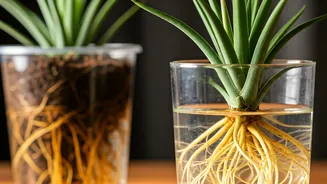
Monsoon is an excellent time for light pruning. Trimming away any yellow, dead, or decaying leaves and stems not only keeps your plant looking tidy but also improves air circulation around the plant, which helps prevent fungal infections. Removing unhealthy foliage allows the plant to direct its energy toward new, healthy growth. This is also a great season for propagation; any healthy cuttings you take have a high chance of rooting successfully in the humid environment.