




The Foundation: Wood vs. Plastic
The structural frame of a pet home is often made of wood or plastic, each with distinct advantages. A well-built wooden house offers excellent natural insulation, keeping pets warmer in winter and cooler in summer. Solid woods like fir or cedar are durable
and can last for over a decade with proper care. The main drawback is that wood requires more maintenance, such as occasional sealing, and can be vulnerable to determined chewers. On the other hand, plastic homes are typically more affordable, lightweight, and incredibly easy to clean with a quick rinse. However, they offer poor insulation and can become brittle and crack over time, especially with UV exposure. For chew-happy dogs, metal frames can be a less enticing and more durable alternative to wood.
Fabrics: The Balance of Comfort and Cleanliness
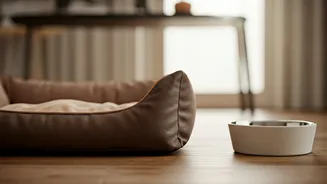
When it comes to soft surfaces, the fabric you choose will determine how easy it is to manage pet hair, stains, and odors. Microfiber is a top choice for pet owners because its tight weave resists fur accumulation and makes it difficult for claws to snag. It is also highly durable and easy to spot clean. Performance fabrics, such as Crypton, are specifically engineered to be stain- and-odor resistant, making them a great, albeit more expensive, option. Another excellent choice is leather or faux leather. Its smooth surface is easy to wipe clean, doesn't hold onto pet dander, and is surprisingly resistant to claw punctures. On the flip side, materials with loose weaves like tweed should be avoided, as they trap hair and are easily snagged by claws.
Cat-Specific Surfaces: Scratching and Climbing
For cat trees and scratchers, the material needs to satisfy a cat's natural instincts. Sisal rope is a classic for a reason; its rough, durable texture is perfect for scratching and mimics tree bark. However, it can fray over time. Many modern cat trees are now also using high-density corrugated cardboard. While it might sound flimsy, it's engineered for longevity and provides a satisfying texture for cats to sink their claws into without snagging. Carpet is a common covering for perches, providing a soft napping surface, but it can be difficult to keep clean and tends to trap hair and dander.
Safety First: Non-Toxic and Pet-Safe Finishes
Beyond the main structure, it's vital to ensure that all components are safe. Many conventional pet beds contain synthetic materials, flame retardants, or pesticides that can cause allergic reactions or other health issues. Look for beds made from natural materials like organic cotton, hemp, or natural latex. If the pet home is made of wood, check that any paints, stains, or glues used are zero-VOC (volatile organic compounds) and non-toxic. For metal cages or components, stainless steel is a superior choice as it is non-porous, incredibly easy to sanitize, and won't rust or harm a pet if they chew on it.