



An Unstable Foundation
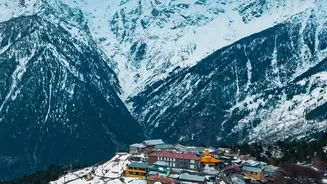
At its core, Nepal's vulnerability is geological. The country sits on the volatile boundary where the Indian and Eurasian tectonic plates collide, pushing the Himalayas upward and building immense geological pressure. This makes the entire region highly
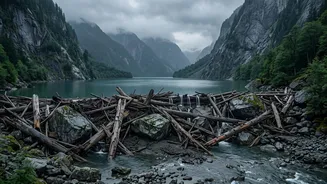
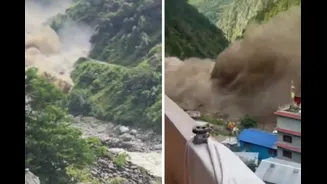
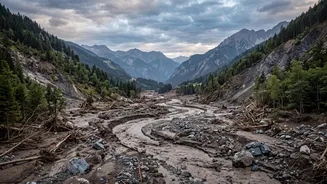
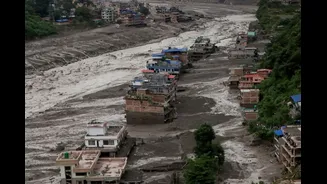
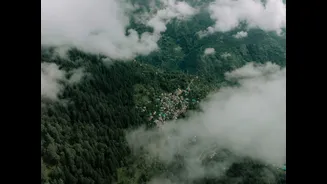
susceptible to earthquakes, which can trigger devastating secondary disasters like landslides and avalanches. The terrain itself is a challenge; steep slopes, fragile rock structures, and narrow valleys mean that when land gives way, debris can travel with terrifying speed, leaving little time for warning or escape. Much of the mountainous terrain has a fragile geological structure, making it naturally prone to landslides even without a major earthquake.
Climate Change as a Threat Multiplier
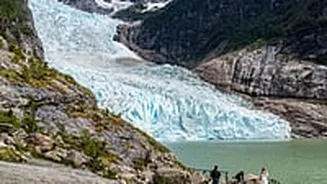
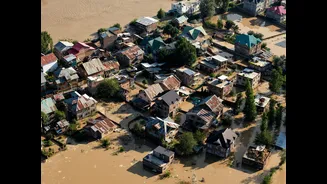
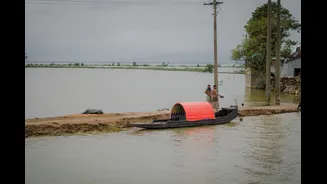
Global warming is amplifying these inherent risks to a critical degree. Rising temperatures are accelerating the melting of Nepal's thousands of glaciers. This not only disrupts water supplies but leads to the formation of vast, unstable glacial lakes. When the natural moraine dams holding these lakes fail, it results in a Glacial Lake Outburst Flood (GLOF), a sudden and catastrophic release of water and debris downstream. In recent years, more than 47 such lakes have been identified as being at high risk of bursting. Climate change also brings more erratic and intense monsoon rainfall. These concentrated downpours saturate already fragile slopes, dramatically increasing the frequency of flash floods and landslides, often in areas that historically only received snow.
The Complications of Development
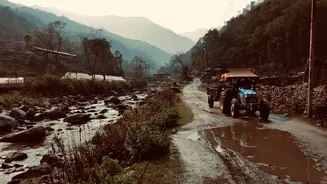
Human activity is the third, and perhaps most complex, piece of the puzzle. As Nepal's population grows, settlements expand, often into high-risk areas on steep slopes or along riverbanks. A major contributing factor is the explosion of haphazard road construction. While built to improve connectivity, many of these roads are created without proper geological surveys or drainage systems. The process of cutting into hillsides destabilizes them, and studies have shown that monsoon-triggered landslides are more than twice as likely to occur near these informal roads. This unplanned development, combined with deforestation and improper land use, creates the perfect conditions for a natural hazard to become a human catastrophe.
A Cycle of Vulnerability
The challenges are compounded by socio-economic factors. Many mountain communities are remote and impoverished, with limited access to resources and emergency services. This isolation makes both disaster preparedness and post-disaster recovery incredibly difficult. Building codes are often not enforced, and early warning systems can be difficult to implement across such difficult terrain. Social structures can also increase vulnerability, with marginalized groups often having less access to resources and safer land. This combination of a volatile natural environment, a rapidly changing climate, and the pressures of development creates a cycle of risk that is difficult to break, leaving Nepal's mountain settlements in a state of constant, heightened peril.